 EN
EN

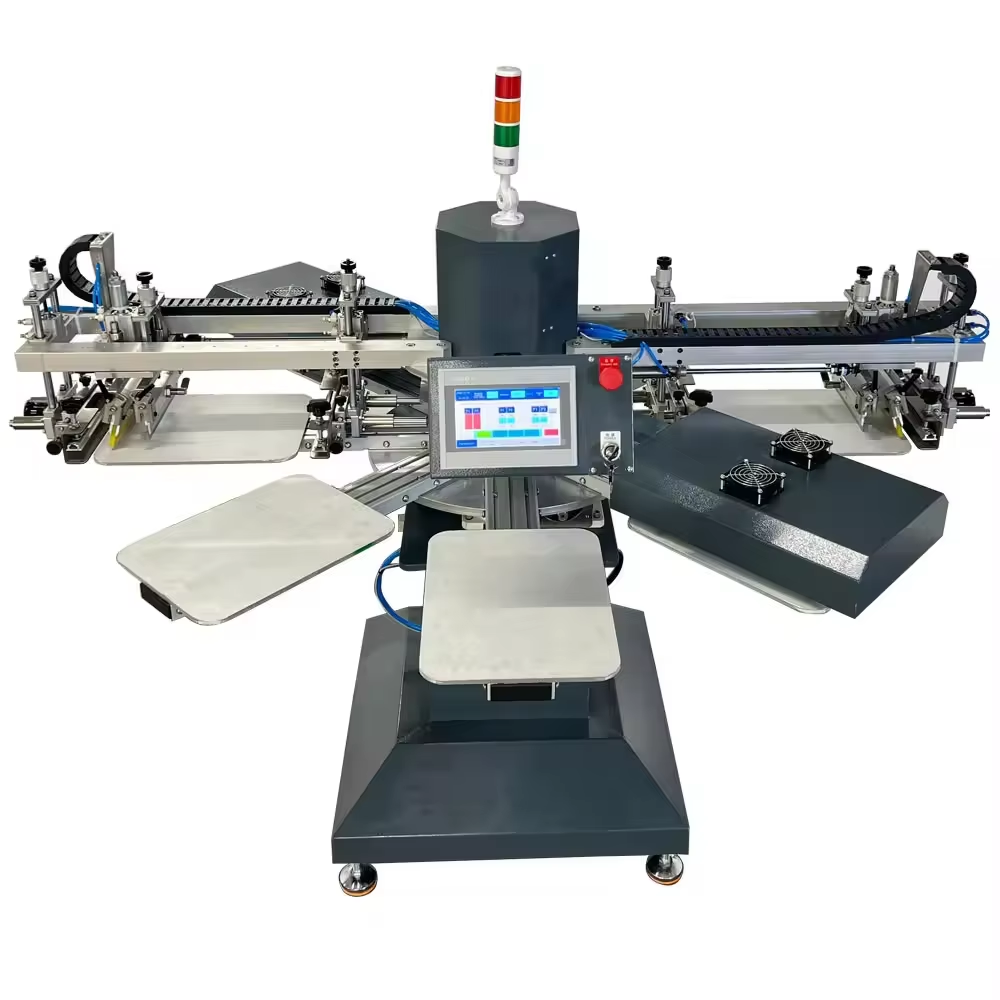
The global printing industry has witnessed remarkable transformation in recent years, with automatic screen printing machines emerging as the backbone of high-volume production across numerous sectors. These sophisticated systems have revolutionized manufacturing processes by delivering consistent quality, increased efficiency, and cost-effective solutions for businesses worldwide. As we enter 2025, the adoption of automated printing technology continues to accelerate, driven by growing demand for customized products and the need for faster turnaround times in competitive markets.
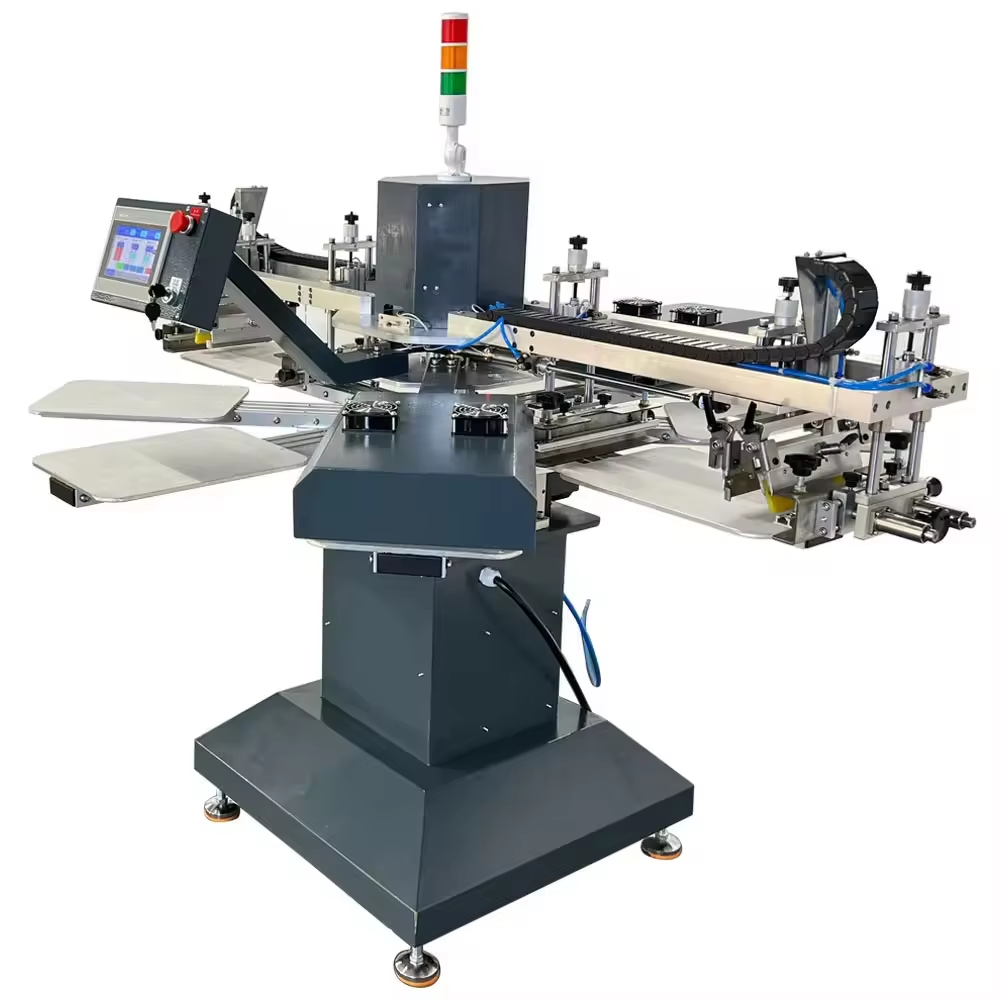
Modern automatic screen printing machines offer unprecedented precision and speed, enabling manufacturers to meet the evolving demands of diverse industries. From textile production to electronics manufacturing, these versatile systems have become indispensable tools for creating high-quality printed products at scale. The integration of advanced features such as programmable controls, multi-station capabilities, and enhanced registration systems has positioned these machines at the forefront of industrial automation.
Textile and Apparel Industry
Fashion and Clothing Manufacturing
The textile and apparel sector represents the largest market for automatic screen printing machines, accounting for a substantial portion of global equipment sales. Fashion brands and clothing manufacturers rely heavily on these systems to produce everything from basic t-shirts to intricate designer garments. The ability to handle multiple colors simultaneously while maintaining precise registration makes these machines ideal for complex textile applications.
Major clothing manufacturers have embraced automation to meet the growing demand for fast fashion and customized apparel. The consistency achieved through automated printing processes ensures uniform quality across large production runs, while programmable settings allow for quick changeovers between different designs. This flexibility has become crucial as consumer preferences shift toward personalized and limited-edition clothing items.
Home Textiles and Furnishings
Beyond clothing, the home textiles segment has experienced significant growth in automated printing adoption. Manufacturers of bedding, curtains, upholstery fabrics, and decorative textiles utilize automatic screen printing machines to create intricate patterns and designs that meet interior design trends. The precision offered by these systems enables the production of high-end home furnishings with complex multi-color designs.
The ability to print on various textile substrates, from cotton and polyester to specialty fabrics, has made automatic printing systems essential for home textile manufacturers. These machines can handle large format printing requirements while maintaining the speed necessary for competitive pricing in the home goods market.
Electronics and Technology Sector
Printed Circuit Board Production
The electronics industry has become increasingly dependent on automatic screen printing machines for manufacturing printed circuit boards and electronic components. These systems provide the precision required for applying solder paste, conductive inks, and protective coatings with microscopic accuracy. The automated nature of these machines ensures consistent application thickness and placement, critical factors in electronic device reliability.
As electronic devices become more compact and complex, the demand for high-precision printing has intensified. Automatic screen printing machines equipped with vision systems and servo-controlled positioning can achieve tolerances measured in microns, meeting the stringent requirements of modern electronics manufacturing. This capability has made them indispensable in producing smartphones, tablets, automotive electronics, and IoT devices.
Display and Solar Panel Manufacturing
The production of displays and solar panels represents another significant application area for automatic screen printing machines. These systems are used to apply conductive pastes, dielectric materials, and protective coatings essential for device functionality. The large format capabilities of industrial printing machines make them suitable for manufacturing everything from smartphone displays to large solar panels.
Solar panel manufacturers particularly benefit from the efficiency and consistency offered by automated printing systems. The ability to print precise patterns of conductive materials directly onto photovoltaic cells maximizes energy conversion efficiency while maintaining cost-effective production methods. This application has driven innovation in screen printing technology, leading to machines capable of handling increasingly larger substrates.
Automotive Industry Applications
Interior Component Decoration
Automotive manufacturers have embraced automatic screen printing machines for decorating interior components and control panels. These systems enable the production of dashboard graphics, switch labels, and decorative trim pieces with the durability required for automotive applications. The ability to print on curved and three-dimensional surfaces has expanded the design possibilities for vehicle interiors.
The automotive industry's strict quality standards have pushed screen printing technology to new levels of precision and reliability. Automatic machines equipped with quality control systems can detect and reject defective prints in real-time, ensuring that only parts meeting specifications reach the assembly line. This capability is crucial for maintaining the safety and aesthetic standards expected in modern vehicles.
Functional Automotive Components
Beyond decorative applications, automatic screen printing machines play a crucial role in manufacturing functional automotive components. These systems are used to apply conductive tracks for heated windshields, antenna patterns for wireless communication systems, and sensor elements for various automotive safety features. The precision and repeatability of automated printing ensure reliable performance of these critical systems.
As vehicles become more technologically advanced, the demand for printed electronics in automotive applications continues to grow. Automatic screen printing machines provide the manufacturing capability needed to integrate sophisticated electronic systems while maintaining the cost efficiency required for mass automotive production.
Packaging and Labeling Industry
Flexible Packaging Production
The packaging industry represents a rapidly growing market for automatic screen printing machines, driven by the demand for attractive and functional packaging solutions. These systems excel at printing on flexible substrates such as plastic films, foils, and paper materials used in food packaging, pharmaceutical products, and consumer goods. The ability to print vibrant colors and special effects makes screen printing ideal for premium packaging applications.
Food and beverage companies increasingly rely on automatic screen printing machines to create packaging that stands out on retail shelves while meeting regulatory requirements for food safety. The precision control offered by these systems ensures consistent print quality and proper registration of safety information, barcodes, and branding elements.
Industrial Labeling Solutions
Industrial labeling applications have driven significant demand for specialized automatic screen printing machines capable of producing durable labels for harsh environments. These systems print warning labels, identification tags, and instructional graphics that must withstand extreme temperatures, chemical exposure, and mechanical stress. The versatility of screen printing allows for the use of specialized inks and substrates that provide the required durability.
The traceability requirements in industries such as aerospace, pharmaceuticals, and chemicals have increased the demand for high-quality printed labels. Automatic screen printing machines provide the consistency and speed needed to produce large quantities of labels while maintaining the print quality essential for reliable identification and safety communication.
Promotional and Advertising Materials
Point-of-Sale Display Manufacturing
The advertising and promotional products industry has experienced substantial growth in the use of automatic screen printing machines for manufacturing point-of-sale displays, signage, and marketing materials. These systems enable the production of eye-catching displays with vibrant colors and special effects that capture consumer attention in retail environments.
Retailers and brand managers increasingly demand customized promotional materials that can be produced quickly and cost-effectively. Automatic screen printing machines provide the flexibility to handle small to medium production runs while maintaining the quality standards necessary for professional marketing applications. The ability to print on various substrates, including plastics, metals, and composite materials, expands the creative possibilities for display designers.
Corporate Branding and Merchandise
Corporate branding applications represent another significant market for automatic screen printing machines, encompassing everything from promotional apparel to branded corporate gifts. Companies across all industries recognize the value of high-quality branded merchandise for marketing and employee relations, driving demand for efficient printing solutions that can handle diverse product types.
The customization capabilities of modern automatic screen printing machines make them ideal for producing limited quantities of specialized promotional items. Features such as quick setup times and programmable job storage allow print shops to efficiently handle multiple small orders while maintaining profitability and quality standards.
Future Trends and Industry Outlook
Technological Advancement Integration
The integration of Industry 4.0 technologies is transforming the landscape for automatic screen printing machines across all industries. Smart connectivity features, predictive maintenance capabilities, and real-time quality monitoring are becoming standard features that enhance productivity and reduce operational costs. These advancements enable manufacturers to optimize their printing processes and minimize downtime.
Artificial intelligence and machine learning algorithms are being incorporated into automatic screen printing machines to optimize print parameters automatically and detect potential issues before they impact production quality. This technology integration represents the next evolution in printing automation, promising even greater efficiency and consistency for industrial applications.
Sustainability and Environmental Considerations
Environmental sustainability has become a driving force in the development of automatic screen printing machines and their applications across industries. Manufacturers are focusing on reducing waste, minimizing energy consumption, and developing eco-friendly printing processes that meet increasingly stringent environmental regulations while maintaining production efficiency.
The development of water-based and UV-curable inks compatible with automatic screen printing machines has opened new opportunities in environmentally sensitive industries. These advances allow manufacturers to meet sustainability goals while benefiting from the efficiency and quality advantages of automated printing technology.
FAQ
What industries benefit most from automatic screen printing machines
The textile and apparel industry represents the largest market, followed by electronics manufacturing, automotive components, packaging, and promotional products. Each industry leverages the precision, speed, and consistency offered by automatic screen printing machines to meet their specific production requirements and quality standards.
How do automatic screen printing machines improve production efficiency
These machines significantly reduce setup times, eliminate manual registration errors, and enable consistent high-speed production. Automated features such as programmable job storage, servo-controlled positioning, and integrated quality control systems minimize operator intervention while maximizing output quality and quantity.
What factors should companies consider when selecting automatic screen printing machines
Key considerations include production volume requirements, substrate compatibility, print area size, color capacity, registration precision needs, and integration capabilities with existing production systems. Companies should also evaluate long-term support, training programs, and upgrade possibilities when making their selection.
How are automatic screen printing machines adapting to Industry 4.0 requirements
Modern machines incorporate smart connectivity features, real-time monitoring systems, predictive maintenance capabilities, and data analytics tools. These technologies enable remote monitoring, process optimization, and integration with manufacturing execution systems, supporting the digital transformation goals of modern manufacturing facilities.
Table of Contents
- Textile and Apparel Industry
- Electronics and Technology Sector
- Automotive Industry Applications
- Packaging and Labeling Industry
- Promotional and Advertising Materials
- Future Trends and Industry Outlook
-
FAQ
- What industries benefit most from automatic screen printing machines
- How do automatic screen printing machines improve production efficiency
- What factors should companies consider when selecting automatic screen printing machines
- How are automatic screen printing machines adapting to Industry 4.0 requirements