 EN
EN
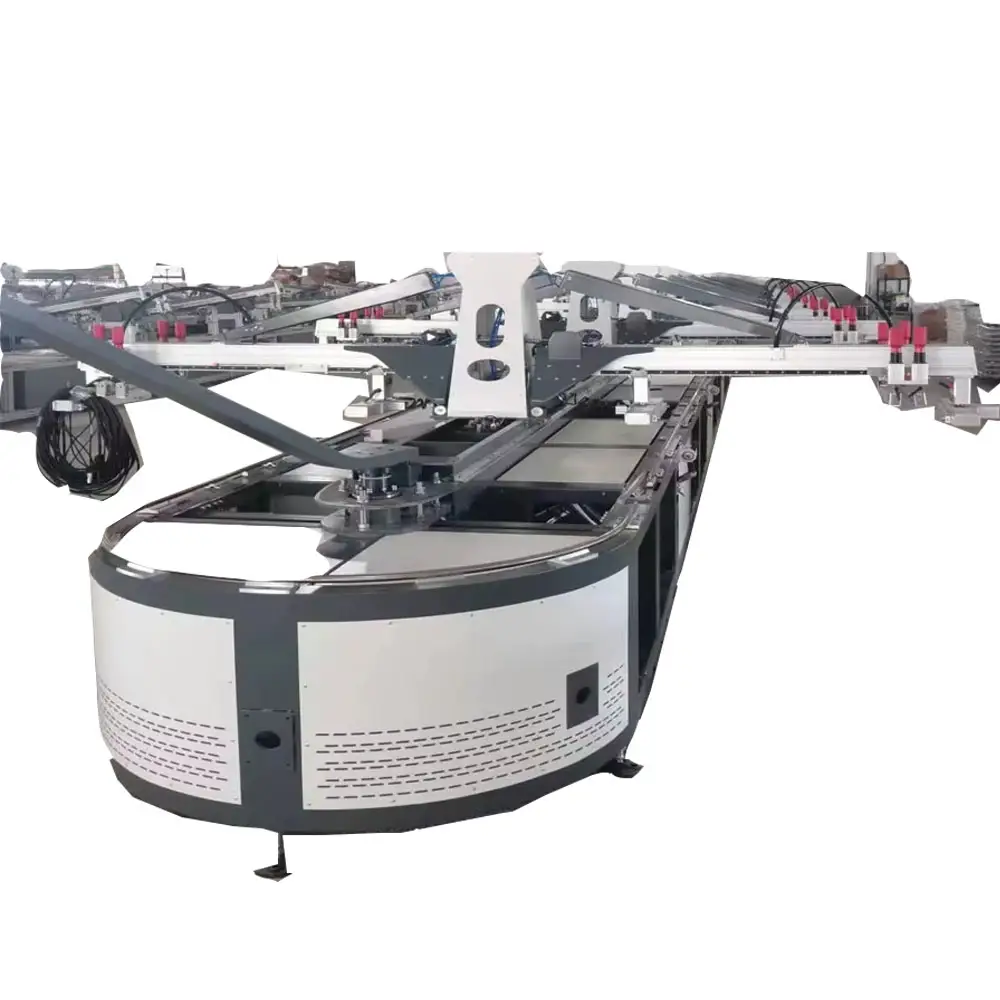
The textile printing industry has witnessed remarkable transformation with the introduction of automatic screen printing machines, revolutionizing how businesses approach large-scale production. These sophisticated systems have become indispensable for companies seeking to enhance productivity while maintaining consistent quality standards. As manufacturing demands continue to evolve, understanding the true value proposition of these machines becomes crucial for business decision-makers evaluating their printing capabilities and investment strategies.
The decision to invest in automated printing technology requires careful consideration of multiple factors, including initial capital expenditure, operational efficiency gains, and long-term return on investment. Modern facilities are increasingly recognizing that these advanced systems offer far more than simple automation, providing comprehensive solutions that address labor shortages, quality consistency, and scalability challenges that manual processes cannot effectively resolve.
Understanding Initial Investment Requirements
Capital Equipment Costs
The financial commitment required for automatic screen printing machines varies significantly based on configuration, capacity, and technological sophistication. Entry-level automated systems typically range from $50,000 to $150,000, while high-end multi-color, multi-station configurations can exceed $300,000. These figures represent substantial capital investments that require thorough financial planning and justification based on projected production volumes and revenue generation potential.
Beyond the base machine cost, businesses must account for additional expenses including installation, training, maintenance contracts, and facility modifications. Professional installation services often add 10-15% to the total equipment cost, while comprehensive operator training programs can require additional investment of $5,000 to $15,000. These ancillary costs are essential for ensuring optimal machine performance and maximizing the return on the primary equipment investment.
Infrastructure and Setup Requirements
Implementing automated printing solutions necessitates significant infrastructure considerations that extend beyond the equipment itself. Electrical requirements for these machines typically demand dedicated circuits with specific voltage and amperage specifications, often requiring facility upgrades that can cost $10,000 to $25,000. Additionally, proper ventilation systems must be installed to manage emissions and maintain worker safety, representing another substantial infrastructure investment.
Space planning becomes critical when integrating these systems into existing facilities, as automatic screen printing machines require considerably more floor space than manual alternatives. The typical footprint for a multi-station automatic system ranges from 300 to 800 square feet, including necessary clearances for operation and maintenance. Facility modifications to accommodate these space requirements often involve relocating existing equipment, reconfiguring workflow patterns, and potentially expanding production areas.
Analyzing Operational Efficiency Gains
Production Speed and Throughput
The most immediate benefit of automatic screen printing machines manifests in dramatically increased production speeds compared to manual operations. While manual presses typically produce 100-200 impressions per hour, automated systems can achieve 600-1,200 impressions per hour depending on design complexity and color count. This three to six-fold increase in throughput enables businesses to fulfill larger orders within shorter timeframes, significantly improving customer satisfaction and market competitiveness.
The consistency of automated production eliminates the variations inherent in manual printing processes, where operator fatigue, skill differences, and human error can impact both speed and quality. Automated systems maintain consistent cycle times throughout extended production runs, enabling accurate delivery scheduling and improved capacity planning. This predictability becomes increasingly valuable when managing multiple concurrent orders or meeting tight delivery deadlines.
Labor Cost Optimization
Automation fundamentally transforms labor requirements in screen printing operations, typically reducing the number of operators needed from three or four to one or two per machine. This reduction in labor dependency not only decreases direct wage costs but also minimizes the impact of labor shortages that frequently challenge manufacturing operations. The specialized skills required for automated system operation often command higher wages, but the overall labor cost per unit produced typically decreases substantially.
The reduced physical demands of operating automated equipment contribute to lower worker compensation claims and decreased turnover rates. Manual screen printing involves repetitive motions, heavy lifting, and sustained physical exertion that can lead to workplace injuries and employee burnout. Automated systems eliminate these physical stressors while creating more attractive employment opportunities that tend to retain skilled operators longer, reducing recruitment and training costs.
Quality Control and Consistency Benefits
Print Registration Precision
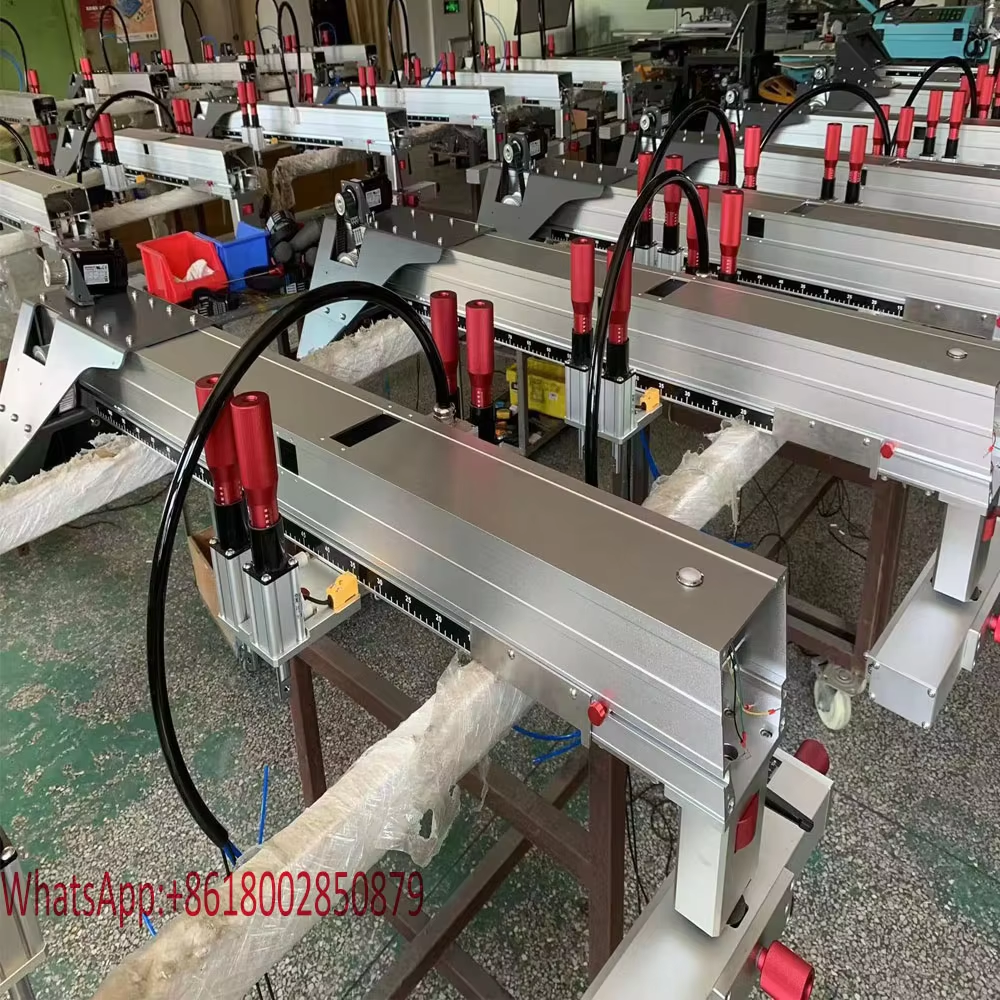
Automatic screen printing machines excel in maintaining precise registration across multiple colors and throughout extended production runs. The mechanical precision of these systems ensures that each color layer aligns perfectly with previous applications, eliminating the registration variations that commonly occur with manual printing. This consistency becomes particularly valuable when producing complex multi-color designs where even minor misalignment can result in significant quality defects.
The repeatability of automated registration systems enables consistent reproduction of design specifications across thousands of impressions without degradation. This capability proves essential for brand licensing applications, corporate apparel programs, and other situations where exact color matching and design fidelity are contractually required. The elimination of registration-related waste and reprints contributes substantially to overall profitability and customer satisfaction.
Ink Application Uniformity
Automated ink application systems maintain consistent pressure, speed, and angle throughout the printing process, resulting in uniform ink deposits that are difficult to achieve manually. This consistency ensures that color saturation, opacity, and texture remain constant across all printed pieces, eliminating the variations that can occur when different operators apply varying pressures or use inconsistent squeegee techniques.
The precision of automated ink application extends to specialized printing techniques such as discharge printing, water-based inks, and specialty finishes that require exact application parameters. These advanced printing methods often prove challenging or impossible to execute consistently with manual equipment, limiting the range of products and services that can be offered to customers. Automated systems expand capabilities while ensuring consistent results across these specialized applications.
Long-Term Return on Investment Analysis
Revenue Generation Potential
The increased production capacity provided by automatic screen printing machines enables businesses to pursue larger contracts and higher-volume opportunities that were previously unattainable. The ability to efficiently produce runs of 5,000 to 50,000 pieces opens access to corporate accounts, retail chains, and promotional product distributors that require substantial quantities within compressed timeframes. These larger accounts typically offer better profit margins and more stable revenue streams than smaller manual printing jobs.
The quality consistency and production reliability of automated systems also support premium pricing strategies that manual operations cannot sustain. Customers increasingly recognize the value of consistent quality and reliable delivery schedules, often accepting higher prices for the assurance that automated production provides. This pricing power, combined with increased volume capacity, creates multiple pathways for revenue growth that justify the initial equipment investment.
Competitive Market Positioning
Investment in automated printing technology positions businesses to compete effectively against larger commercial printers while maintaining advantages over smaller manual operations. The production capabilities and quality standards achievable with these systems enable participation in market segments that demand both volume and consistency, creating sustainable competitive advantages that are difficult for competitors to replicate without similar investments.
The technological advancement represented by automatic screen printing machines also enhances company reputation and credibility with potential customers. The ability to demonstrate modern, efficient production capabilities often proves decisive in winning competitive bids and establishing long-term customer relationships. This enhanced market position contributes to sustainable business growth that extends well beyond the immediate production benefits.
Risk Assessment and Mitigation Strategies
Technology Obsolescence Considerations
While automatic screen printing machines represent significant technological advancement, businesses must consider the potential for future obsolescence as digital printing technologies continue evolving. However, the fundamental advantages of screen printing for large-volume production, specialty inks, and specific substrate applications suggest that automated screen printing will remain relevant for the foreseeable future. The key lies in selecting systems with upgrade capabilities and proven track records of manufacturer support.
Manufacturers of leading automatic screen printing machines typically provide upgrade paths and retrofit options that extend equipment lifespan and maintain technological relevance. These upgrade possibilities should factor into initial purchasing decisions, as they can significantly impact the long-term value proposition and return on investment calculations. Choosing systems with modular designs and strong manufacturer support helps mitigate obsolescence risks while preserving investment value.
Maintenance and Downtime Management
The complexity of automated systems introduces maintenance requirements that differ significantly from manual equipment. While these machines are generally reliable, when failures occur, they can impact entire production schedules more severely than manual equipment breakdowns. Implementing comprehensive preventive maintenance programs and establishing relationships with qualified service providers becomes essential for minimizing downtime risks and protecting investment returns.
Many businesses address maintenance concerns by negotiating comprehensive service contracts that include regular preventive maintenance, emergency repairs, and replacement parts availability. These contracts, while adding to operational costs, provide predictable maintenance expenses and rapid response times that minimize production disruptions. The cost of comprehensive service coverage typically represents 8-12% of equipment value annually but provides substantial risk mitigation benefits.
FAQ
What is the typical payback period for automatic screen printing machines
The payback period for automatic screen printing machines typically ranges from 18 to 36 months, depending on production volume, labor costs, and operational efficiency gains. Businesses with high-volume production requirements often achieve payback within 18-24 months, while those with moderate volumes may require 24-36 months. The key factors influencing payback include increased throughput, reduced labor costs, and premium pricing opportunities enabled by consistent quality and reliable delivery capabilities.
How do maintenance costs compare between manual and automatic systems
Maintenance costs for automatic screen printing machines are typically higher than manual systems, ranging from 8-15% of equipment value annually compared to 3-5% for manual presses. However, these higher maintenance costs are often offset by reduced labor expenses, lower waste rates, and increased production efficiency. Additionally, many manufacturers offer comprehensive service contracts that provide predictable maintenance expenses and minimize unexpected repair costs.
Can small printing shops justify the investment in automated equipment
Small printing shops can justify investment in automatic screen printing machines when they have consistent high-volume orders or plan to pursue larger commercial accounts. The key is ensuring sufficient production volume to utilize the machine's capacity effectively. Shops producing fewer than 500,000 impressions annually may find it challenging to justify the investment, while those exceeding 1 million impressions typically see clear financial benefits from automation.
What training is required for operating automatic screen printing machines
Operating automatic screen printing machines requires specialized training that typically takes 2-4 weeks for experienced manual operators to master. Most manufacturers provide comprehensive training programs covering machine operation, maintenance procedures, troubleshooting, and safety protocols. Additional ongoing training may be necessary as operators develop expertise with advanced features and specialized printing techniques. The investment in proper training is essential for maximizing equipment productivity and ensuring safe operation.