 EN
EN

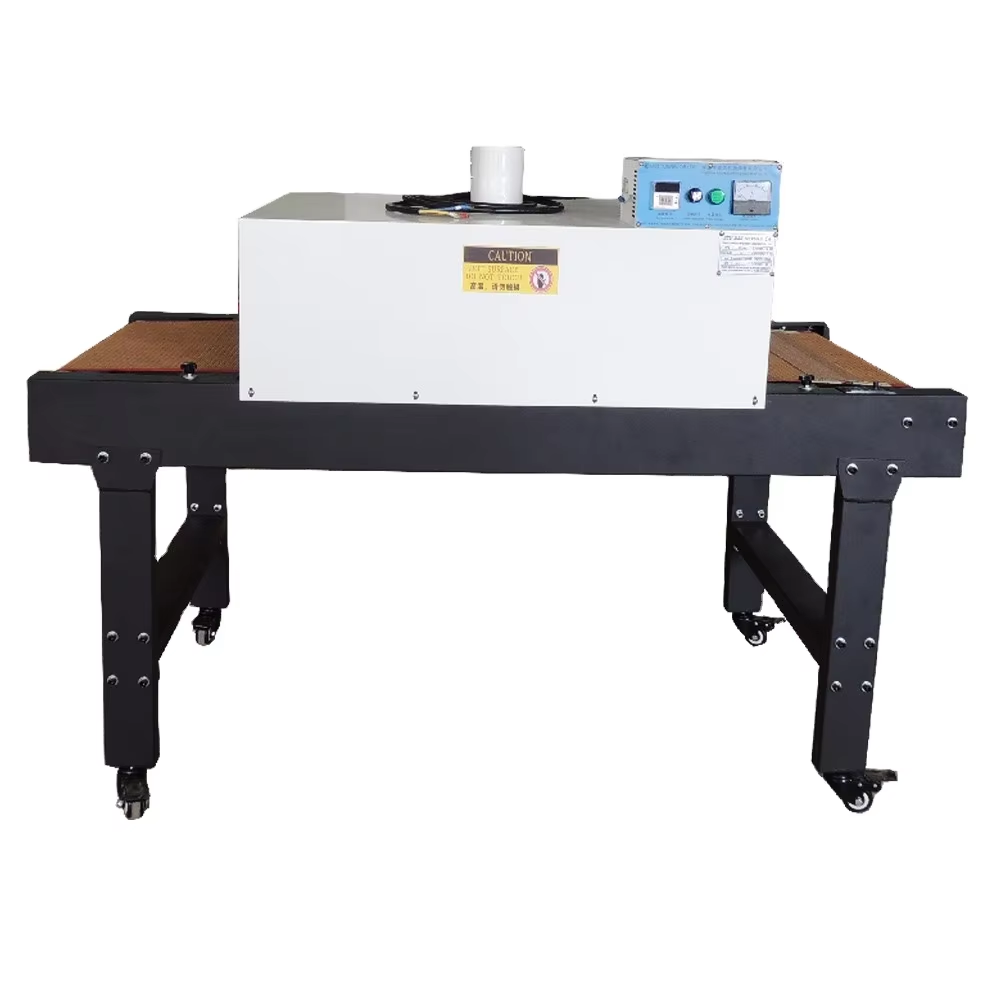
Understanding which materials work optimally with heating press machines is crucial for achieving professional results in heat transfer applications. The compatibility between materials and heating press machines directly impacts the quality, durability, and appearance of your finished products. Whether you're working with textiles, ceramics, or specialty substrates, selecting the right material combinations can make the difference between amateur and professional-grade outputs.
Modern heating press machines offer versatility that extends far beyond basic t-shirt printing. The technology has evolved to accommodate numerous substrate materials, each requiring specific temperature, pressure, and timing considerations. Professional operators must understand these material characteristics to maximize productivity and ensure consistent quality across different project types.
Textile Materials for Heat Transfer Applications
Cotton and Cotton Blends
Cotton remains one of the most popular materials for heat transfer applications due to its excellent heat absorption and retention properties. Pure cotton fabrics typically handle temperatures between 350-375°F with medium to heavy pressure settings. The natural fibers create strong bonds with vinyl transfers, sublimation inks, and heat transfer papers, resulting in durable and vibrant designs that withstand multiple wash cycles.
Cotton blends, particularly those containing 50-80% cotton mixed with polyester, offer enhanced durability while maintaining good heat transfer characteristics. These blends require slightly adjusted temperature settings, usually 10-15 degrees lower than pure cotton, to prevent scorching of synthetic fibers. The polyester content adds stretch resistance and color retention, making cotton blends ideal for athletic wear and casual garments.
Polyester and Synthetic Fabrics
Polyester fabrics excel in sublimation printing applications when used with heating press machines. The synthetic fibers require lower temperatures, typically 300-320°F, but longer pressing times to achieve proper ink penetration. Polyester's moisture-wicking properties and wrinkle resistance make it particularly suitable for sports apparel and performance wear applications.
Other synthetic materials like nylon and spandex blends require careful temperature management to prevent melting or deformation. These materials often work best with quick-release heat transfer methods and protective sheets to prevent direct contact with heating elements. Understanding the melting points and thermal properties of various synthetic fabrics ensures successful transfer applications without material damage.
Hard Surface Materials and Substrates
Ceramic and Porcelain Products
Ceramic mugs, plates, and tiles represent significant opportunities for custom heat transfer applications. These materials typically require polymer-coated surfaces to accept sublimation transfers effectively. The coating creates a receptive layer that bonds permanently with sublimation inks when exposed to temperatures around 400°F for 45-60 seconds under medium pressure.
Uncoated ceramics require different approaches, often involving specialty transfer papers or vinyl applications designed for non-porous surfaces. The key success factor lies in proper surface preparation and selecting transfer materials specifically formulated for ceramic substrates. Temperature consistency and even pressure distribution become critical when working with rigid materials to prevent cracking or uneven transfer coverage.
Metal Surfaces and Specialized Substrates
Aluminum blanks and other metal substrates coated with polymer layers offer excellent durability for outdoor signage and industrial applications. These materials can withstand higher temperatures, often up to 425°F, allowing for faster processing times and superior color saturation. The metal base provides excellent heat distribution, resulting in even transfer application across the entire surface area.
Specialty substrates including mouse pads, puzzles, and phone cases each present unique challenges and opportunities. These materials often feature specialized coatings or surface treatments that require specific temperature and pressure combinations. Testing sample pieces before full production runs helps identify optimal settings for consistent results across various specialty applications.
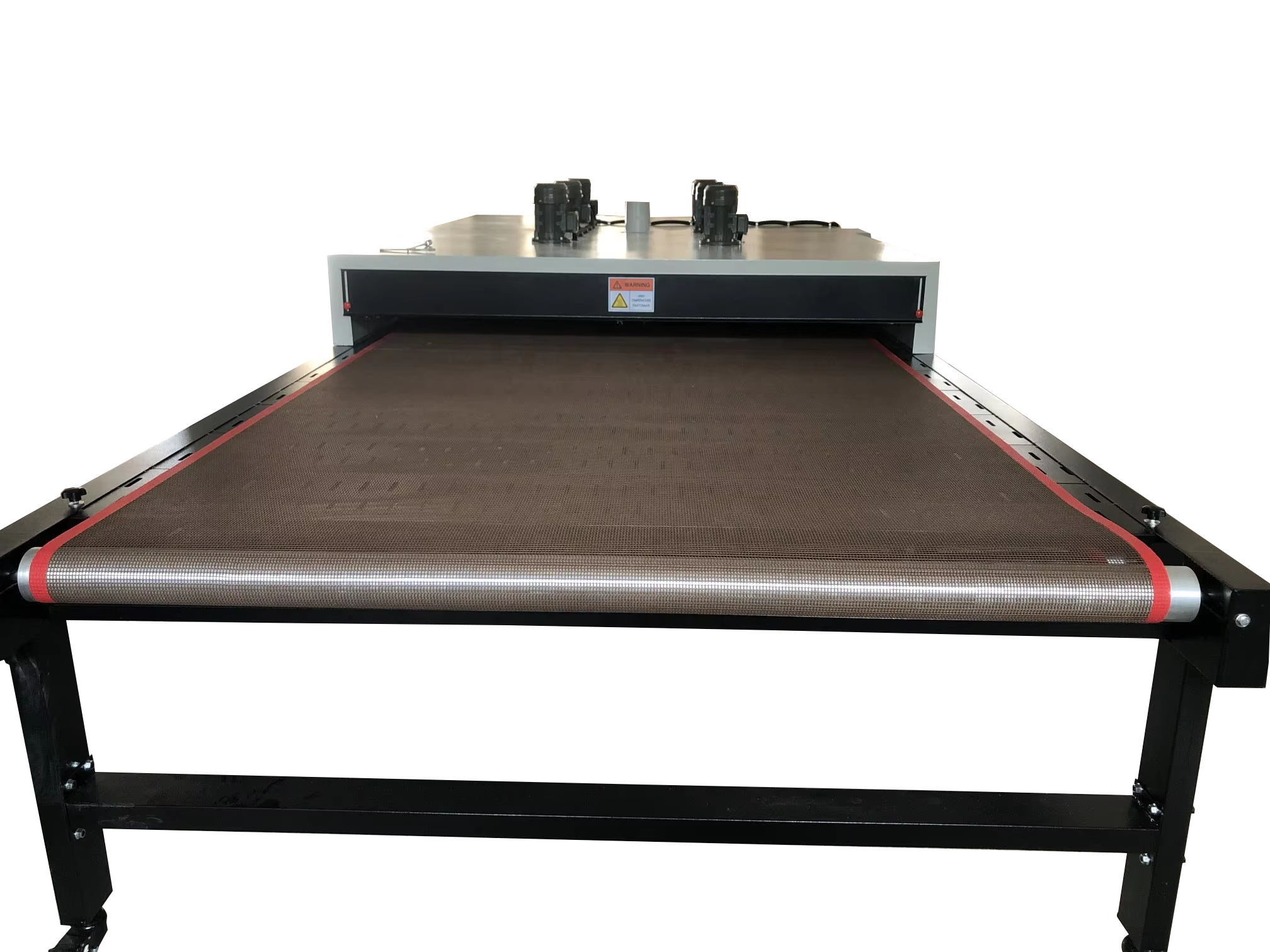
Transfer Material Compatibility Guidelines
Vinyl Transfer Films
Heat transfer vinyl comes in numerous varieties, each designed for specific substrate compatibility. Standard heat transfer vinyl works excellently on cotton and cotton blend fabrics, requiring temperatures between 305-315°F with firm pressure for 10-15 seconds. The adhesive formulation creates permanent bonds that flex with fabric movement while maintaining vibrant colors through repeated washing and wearing.
Specialty vinyl formulations address specific challenges like stretch fabrics, performance materials, and hard surfaces. Stretch vinyl contains elastomeric properties that move with fabric without cracking or peeling. Glitter and metallic vinyls require adjusted temperature settings and longer cooling periods to ensure proper adhesion and prevent delamination during handling.
Sublimation Papers and Inks
Sublimation transfer success depends heavily on substrate compatibility with the gas-phase dye transfer process. Polyester fabrics and polymer-coated hard goods provide the necessary receptive surfaces for sublimation ink molecules to penetrate and bond permanently. The process requires precise temperature control, typically 400°F, with sufficient dwell time for complete ink conversion.
Paper quality significantly impacts transfer results, with heavier weight papers providing better ink retention and release characteristics. The coating formulation on transfer papers must match the intended substrate material to ensure optimal color vibrancy and transfer efficiency. Professional-grade sublimation papers often include release agents that prevent sticking while ensuring complete ink transfer during the heating process.
Temperature and Pressure Optimization Strategies
Material-Specific Settings
Successful heat transfer operations require precise calibration of temperature, pressure, and timing parameters for each material combination. Heating press machines equipped with digital controls allow operators to create custom profiles for frequently used material types. These profiles ensure consistent results and reduce setup time between different production runs.
Natural fibers generally tolerate higher temperatures but require careful moisture management to prevent steam burns or uneven heating. Synthetic materials need lower temperatures but often require longer contact times to achieve proper bonding. Creating reference charts for common material combinations helps maintain quality standards and trains new operators on proper techniques.
Quality Control Measures
Implementing systematic quality control measures ensures consistent results across different material types and production volumes. Temperature verification using independent thermometers helps confirm heating plate accuracy and identifies potential calibration issues before they affect product quality. Pressure gauges and timing systems should undergo regular verification to maintain process consistency.
Sample testing protocols for new material combinations help identify optimal settings before committing to large production runs. These tests should evaluate adhesion strength, color accuracy, and durability characteristics specific to the intended application. Documentation of successful parameter combinations builds valuable reference resources for future projects and troubleshooting efforts.
Advanced Material Applications and Techniques
Multi-Layer Transfers
Complex designs often require multiple transfer layers or combination techniques to achieve desired visual effects. Multi-layer vinyl applications demand careful sequencing and temperature management to prevent damage to previously applied layers. Each additional layer may require adjusted pressure settings to ensure proper adhesion without compromising underlying materials.
Combination transfers mixing vinyl and sublimation elements require sophisticated planning and execution. The different temperature requirements and timing considerations must be balanced to achieve optimal results for both transfer types. Understanding material interactions helps prevent color bleeding, adhesion failures, or thermal damage during complex transfer operations.
Specialty Coating Applications
Specialty coatings expand the range of materials compatible with heating press machines beyond traditional substrates. Fabric treatments that improve sublimation receptivity on natural fibers enable printing on previously incompatible materials. These coatings require specific application methods and curing procedures to ensure proper performance with heat transfer processes.
Protective coatings for harsh environment applications add durability and chemical resistance to heat transfer designs. UV-resistant topcoats extend outdoor life for signage applications, while abrasion-resistant treatments protect high-wear areas on textiles. Understanding how these protective systems interact with base materials ensures long-term performance and customer satisfaction.
FAQ
What temperature should I use for different fabric types
Cotton fabrics typically require 350-375°F, while polyester works best at 300-320°F. Cotton blends need temperatures about 10-15 degrees lower than pure cotton. Always test a sample first, as fabric treatments and weaves can affect optimal temperature settings.
Can I use the same transfer material on both fabric and hard surfaces
Most transfer materials are designed for specific substrate types. Heat transfer vinyl works primarily on fabrics, while sublimation requires polymer-coated surfaces. Some specialty transfer papers can work on multiple surfaces, but results vary significantly based on surface preparation and material compatibility.
How do I prevent scorching when working with delicate materials
Use lower temperatures and longer press times for delicate materials. Protective sheets or parchment paper can provide heat barriers while still allowing proper transfer. Reduce pressure settings and consider pre-heating the substrate at lower temperatures before applying the transfer material.
What causes transfer adhesion failures on certain materials
Adhesion failures typically result from incorrect temperature settings, insufficient pressure, contaminated surfaces, or incompatible material combinations. Moisture content, fabric treatments, and surface coatings can all affect transfer bonding. Proper surface preparation and material-specific parameter settings usually resolve adhesion issues.