 EN
EN
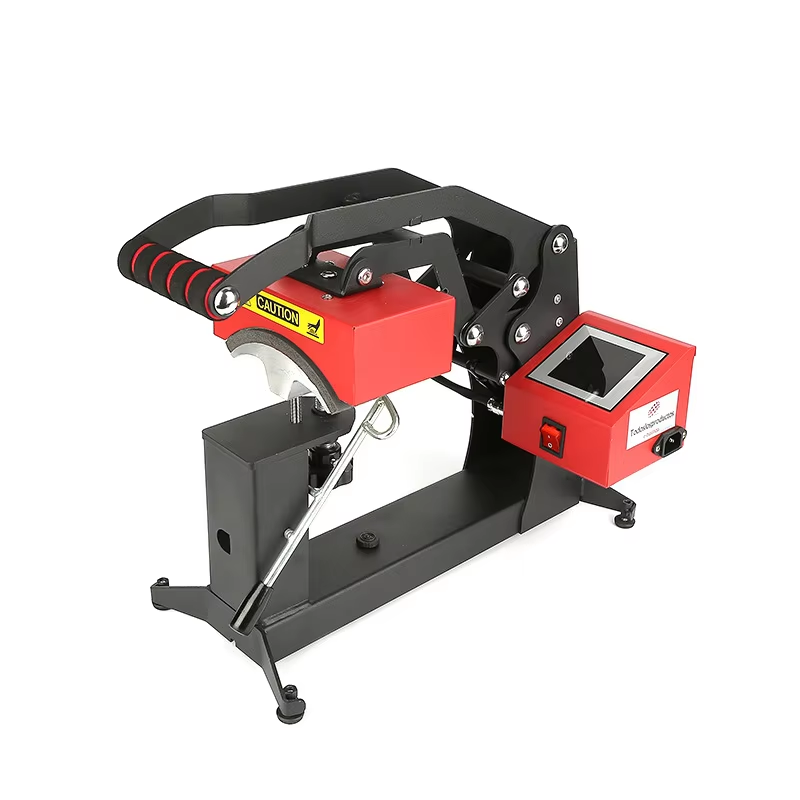
The industrial landscape is witnessing unprecedented transformation in thermal processing equipment, with modern heating press machine technology leading the charge toward enhanced efficiency and precision. Today's manufacturers are demanding solutions that combine reliability with advanced features, creating opportunities for innovative companies to revolutionize traditional heat transfer processes. This evolution reflects broader industry trends emphasizing automation, energy efficiency, and versatility in manufacturing operations.
Manufacturing sectors across textile, automotive, electronics, and consumer goods industries are increasingly adopting sophisticated thermal transfer systems to meet growing quality standards. These advanced systems integrate digital controls, precise temperature regulation, and multi-functional capabilities that were previously unavailable in traditional equipment. The convergence of these technologies represents a significant shift toward more intelligent and adaptable manufacturing processes.
Advanced Digital Control Systems
Precision Temperature Management
Contemporary thermal processing equipment incorporates sophisticated digital control interfaces that enable operators to achieve unprecedented precision in temperature regulation. These systems utilize advanced microprocessor technology to maintain consistent heat distribution across the entire pressing surface, eliminating hot spots and ensuring uniform results. The integration of digital displays provides real-time monitoring capabilities, allowing operators to track temperature variations with accuracy levels previously unattainable in conventional equipment.
Modern control systems feature programmable settings that accommodate diverse material requirements and application specifications. This flexibility enables manufacturers to optimize processing parameters for different substrates, adhesives, and transfer materials without compromising quality or efficiency. The ability to store multiple preset configurations streamlines production workflows and reduces setup times between different job requirements.
Automated Process Monitoring
Advanced monitoring capabilities incorporate sensor arrays that continuously assess pressure distribution, temperature uniformity, and processing duration throughout each cycle. These systems automatically adjust operating parameters to compensate for variations in ambient conditions or material properties, ensuring consistent results regardless of external factors. Real-time data collection enables operators to identify potential issues before they impact product quality or equipment performance.
Integration with manufacturing execution systems allows for comprehensive production tracking and quality assurance documentation. This connectivity enables manufacturers to maintain detailed records of processing parameters for each batch, supporting quality control initiatives and regulatory compliance requirements. The data generated by these systems provides valuable insights for process optimization and predictive maintenance scheduling.
Multi-Functional Design Innovations
Versatile Application Capabilities
Current-generation equipment designs emphasize versatility through modular configurations that accommodate diverse application requirements within a single platform. These systems support multiple substrate formats, including flat panels, curved surfaces, and three-dimensional components, expanding their utility across various manufacturing sectors. The ability to process different material combinations without extensive reconfiguration reduces capital equipment requirements and maximizes production flexibility.
Interchangeable pressing elements and adjustable platens enable operators to customize equipment configuration for specific applications while maintaining consistent performance standards. This adaptability proves particularly valuable in small-batch production environments where frequent changeovers are necessary to meet diverse customer requirements. The modular approach also simplifies maintenance procedures and reduces spare parts inventory requirements.
Enhanced Productivity Features
Modern heating press machine designs incorporate rapid heating elements that significantly reduce warm-up times and cycle durations compared to traditional equipment. Advanced thermal management systems utilize efficient heat distribution patterns that minimize energy consumption while maintaining processing temperatures. These improvements translate directly into increased throughput and reduced operating costs for manufacturing operations.
Automated loading and unloading mechanisms streamline production workflows by reducing manual handling requirements and minimizing operator fatigue. These systems incorporate safety interlocks and positioning guides that ensure consistent placement and prevent processing errors. The integration of these features enables manufacturers to achieve higher production volumes while maintaining quality standards and operator safety.
Energy Efficiency and Sustainability
Advanced Thermal Management
Contemporary thermal processing equipment incorporates innovative insulation materials and heat recovery systems that dramatically improve energy utilization efficiency. These systems capture and redirect waste heat to preheat incoming materials or maintain auxiliary equipment temperatures, reducing overall energy consumption by significant percentages. Advanced thermal modeling software optimizes heat distribution patterns to minimize energy losses while maintaining processing effectiveness.
Variable power control systems automatically adjust energy input based on actual processing requirements rather than maintaining constant maximum power levels. This dynamic approach reduces energy consumption during lighter workloads and extends equipment service life by minimizing thermal stress on heating elements. The implementation of smart power management contributes to reduced operating costs and environmental impact.
Sustainable Manufacturing Practices
Modern equipment designs emphasize material selection and construction methods that support sustainable manufacturing practices throughout the product lifecycle. Manufacturers are utilizing recyclable components and environmentally friendly materials in equipment construction while maintaining performance and durability standards. These initiatives align with corporate sustainability goals and regulatory requirements governing industrial equipment manufacturing.
Energy monitoring and reporting capabilities enable manufacturers to track and document energy consumption patterns for environmental reporting and process optimization purposes. This data supports continuous improvement initiatives aimed at reducing environmental impact while maintaining production efficiency. The availability of detailed energy usage information facilitates informed decision-making regarding equipment upgrades and process modifications.
Safety and Ergonomic Improvements
Advanced Safety Systems
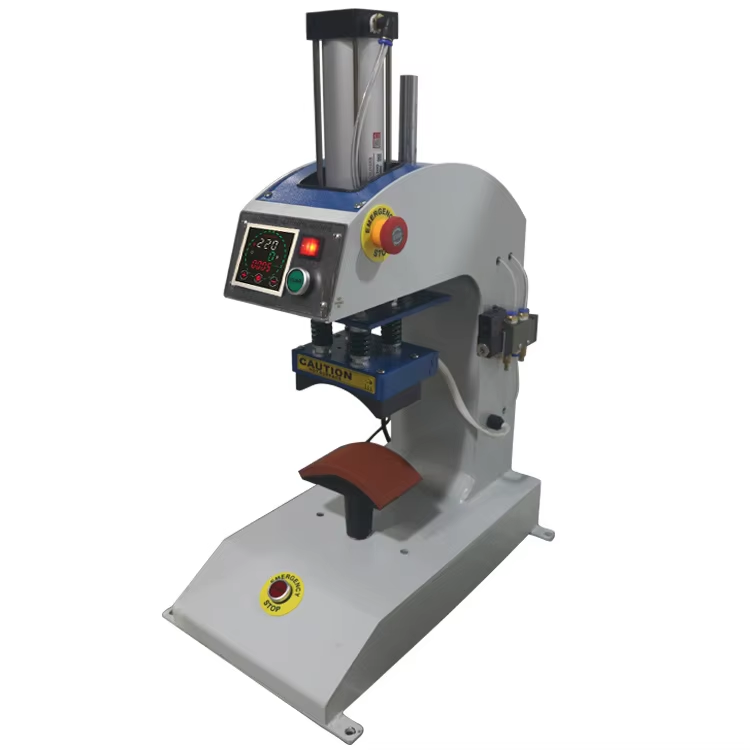
Current safety standards require comprehensive protection systems that prevent operator exposure to thermal and mechanical hazards during equipment operation. Modern designs incorporate multiple safety interlocks, emergency stop mechanisms, and protective barriers that automatically engage when unsafe conditions are detected. These systems utilize advanced sensor technology to monitor operator proximity and equipment status continuously.
Automated safety protocols include pre-programmed shutdown sequences that safely de-energize equipment in emergency situations while protecting work pieces and preventing damage to processing components. Training programs and operator certification requirements ensure proper safety procedure implementation and compliance with industry regulations. Regular safety audits and equipment inspections maintain safety system effectiveness throughout equipment service life.
Ergonomic Design Considerations
Contemporary equipment designs prioritize operator comfort and efficiency through ergonomic improvements that reduce physical strain and improve productivity. Adjustable working heights, intuitive control layouts, and accessible maintenance points minimize operator fatigue during extended operation periods. These design considerations contribute to improved workplace safety and reduced injury rates in manufacturing environments.
User interface designs emphasize clarity and simplicity to reduce training requirements and minimize operational errors. Touchscreen controls with graphical displays provide intuitive operation while multilingual support accommodates diverse workforce requirements. The integration of voice prompts and visual indicators guides operators through complex procedures and alerts them to important status changes.
Market Applications and Industry Adoption
Textile and Apparel Manufacturing
The textile industry represents one of the largest adoption sectors for advanced thermal processing equipment, driven by demand for high-quality heat transfer applications and decorative finishing techniques. Modern heating press machine technology enables precise application of transfers, embossed patterns, and thermal bonding processes that meet stringent quality requirements for fashion and performance apparel.
Customization capabilities support the growing demand for personalized products and small-batch production runs that characterize contemporary apparel markets. Advanced temperature control enables processing of diverse fabric types and synthetic materials without damage or distortion. The ability to achieve consistent results across production runs ensures brand quality standards and customer satisfaction.
Electronics and Component Assembly
Electronics manufacturing applications require precise thermal processing for component mounting, adhesive curing, and assembly operations where temperature control directly impacts product reliability and performance. Advanced thermal processing equipment provides the accuracy and repeatability necessary for sensitive electronic components while maintaining production efficiency requirements. These applications often require specialized fixtures and programming capabilities to accommodate diverse component geometries and material specifications.
Quality assurance requirements in electronics manufacturing demand comprehensive documentation and traceability capabilities that modern equipment provides through integrated data collection and reporting systems. Process validation and statistical process control rely on consistent thermal processing parameters that advanced equipment delivers through precise control systems and monitoring capabilities.
Future Technology Directions
Industry 4.0 Integration
The evolution toward smart manufacturing environments drives integration of thermal processing equipment with broader factory automation systems and data networks. Internet of Things connectivity enables remote monitoring, predictive maintenance scheduling, and production optimization through cloud-based analytics platforms. These capabilities support lean manufacturing initiatives and continuous improvement programs that characterize modern production environments.
Artificial intelligence applications in process optimization analyze historical production data to identify patterns and recommend parameter adjustments that improve quality and efficiency. Machine learning algorithms adapt to changing conditions and material properties, automatically optimizing processing parameters without operator intervention. These technologies represent the next evolution in manufacturing automation and process control.
Emerging Material Applications
Advances in material science create new opportunities for thermal processing applications in aerospace, automotive, and medical device manufacturing sectors. Advanced composite materials, smart textiles, and functional coatings require specialized processing techniques that push the boundaries of conventional thermal processing capabilities. Equipment manufacturers are developing specialized solutions to address these emerging application requirements.
Nanotechnology applications in surface treatments and functional coatings require precise thermal control at molecular levels, driving development of ultra-precise temperature control systems and specialized processing environments. These applications represent significant growth opportunities for manufacturers who can develop appropriate processing technologies and equipment solutions.
FAQ
What are the key advantages of modern digital control systems in thermal processing equipment?
Digital control systems provide unprecedented precision in temperature regulation, programmable settings for diverse applications, real-time monitoring capabilities, and automated process adjustments. These systems eliminate human error, ensure consistent results, and support comprehensive documentation requirements for quality assurance and regulatory compliance.
How do multi-functional designs improve manufacturing flexibility?
Multi-functional equipment designs accommodate diverse substrate formats and application requirements within a single platform, reducing capital equipment requirements and maximizing production flexibility. Modular configurations and interchangeable components enable quick changeovers between different applications while maintaining consistent performance standards throughout various manufacturing processes.
What energy efficiency improvements are available in contemporary thermal processing equipment?
Advanced thermal management systems incorporate heat recovery mechanisms, improved insulation materials, and variable power control that significantly reduce energy consumption. Smart power management automatically adjusts energy input based on actual processing requirements, while thermal modeling software optimizes heat distribution patterns to minimize energy losses.
How do safety improvements in modern equipment protect operators and ensure compliance?
Contemporary safety systems include multiple interlocks, emergency stop mechanisms, protective barriers, and automated safety protocols that prevent operator exposure to hazards. Advanced sensor technology continuously monitors equipment status and operator proximity, while ergonomic design improvements reduce physical strain and minimize injury risks during operation and maintenance activities.
Table of Contents
- Advanced Digital Control Systems
- Multi-Functional Design Innovations
- Energy Efficiency and Sustainability
- Safety and Ergonomic Improvements
- Market Applications and Industry Adoption
- Future Technology Directions
-
FAQ
- What are the key advantages of modern digital control systems in thermal processing equipment?
- How do multi-functional designs improve manufacturing flexibility?
- What energy efficiency improvements are available in contemporary thermal processing equipment?
- How do safety improvements in modern equipment protect operators and ensure compliance?