 EN
EN
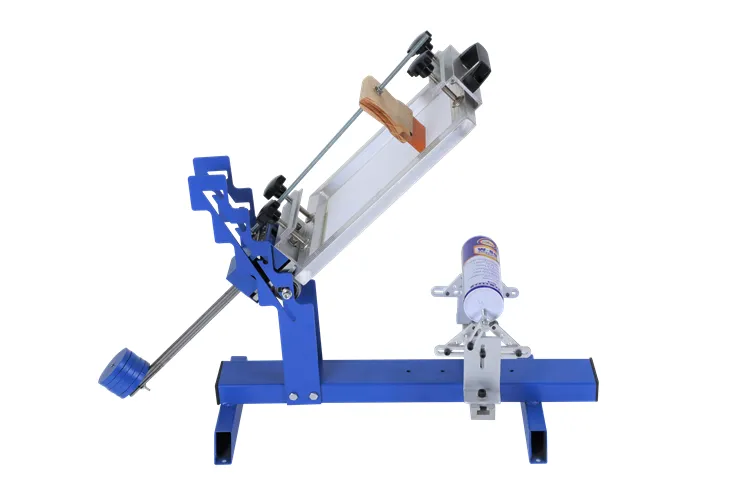
Screen printing remains one of the most cost-effective methods for producing high-quality designs on textiles, promotional items, and various materials. Whether you're a startup business, hobbyist, or established print shop looking to expand capabilities without breaking the bank, finding the right screen printer within your budget is crucial. The market offers numerous affordable options that deliver professional results, making it easier than ever to enter the lucrative screen printing industry. Budget-conscious entrepreneurs and creative professionals can now access equipment that was once reserved for large commercial operations.
Modern budget screen printing equipment has evolved significantly, incorporating features previously found only in premium models. These affordable units maintain excellent registration accuracy, provide consistent ink deposition, and offer durability that ensures long-term value. Understanding the key specifications and capabilities of budget models helps buyers make informed decisions that align with their production needs and financial constraints. The following comprehensive review examines the top budget screen printer options available today, analyzing their features, performance, and overall value proposition.
Essential Features in Budget Screen Printing Equipment
Registration System Accuracy
Precise registration forms the foundation of professional screen printing results, even in budget equipment. Quality budget models incorporate micro-registration systems that allow fine adjustments during setup, ensuring consistent alignment across multiple colors. These systems typically feature adjustable stops, registration guides, and measuring scales that facilitate accurate positioning. The ability to maintain registration throughout production runs directly impacts print quality and reduces waste from misaligned impressions.
Advanced budget models now include laser-cut registration holes and precision-machined components that rival more expensive alternatives. These improvements enable operators to achieve registration tolerances within acceptable commercial standards. Some manufacturers incorporate spring-loaded registration pins and adjustable clamps that accommodate various substrate thicknesses while maintaining consistent positioning throughout the printing process.
Frame Construction and Durability
The structural integrity of a screen printer directly influences its longevity and performance consistency. Budget models constructed with heavy-duty steel frames provide stability during operation and resist flexing under printing pressure. Quality powder coating or corrosion-resistant finishes protect the equipment from ink chemicals and environmental factors that could compromise functionality over time.
Reinforcement at stress points, such as hinge connections and pressure adjustment mechanisms, distinguishes superior budget models from inferior alternatives. Manufacturers who invest in quality construction materials and engineering create equipment that performs reliably despite lower price points. This attention to structural design ensures that budget screen printers can handle consistent daily operation without premature wear or alignment issues.
Top Manual Screen Printer Models
Single Color Desktop Units
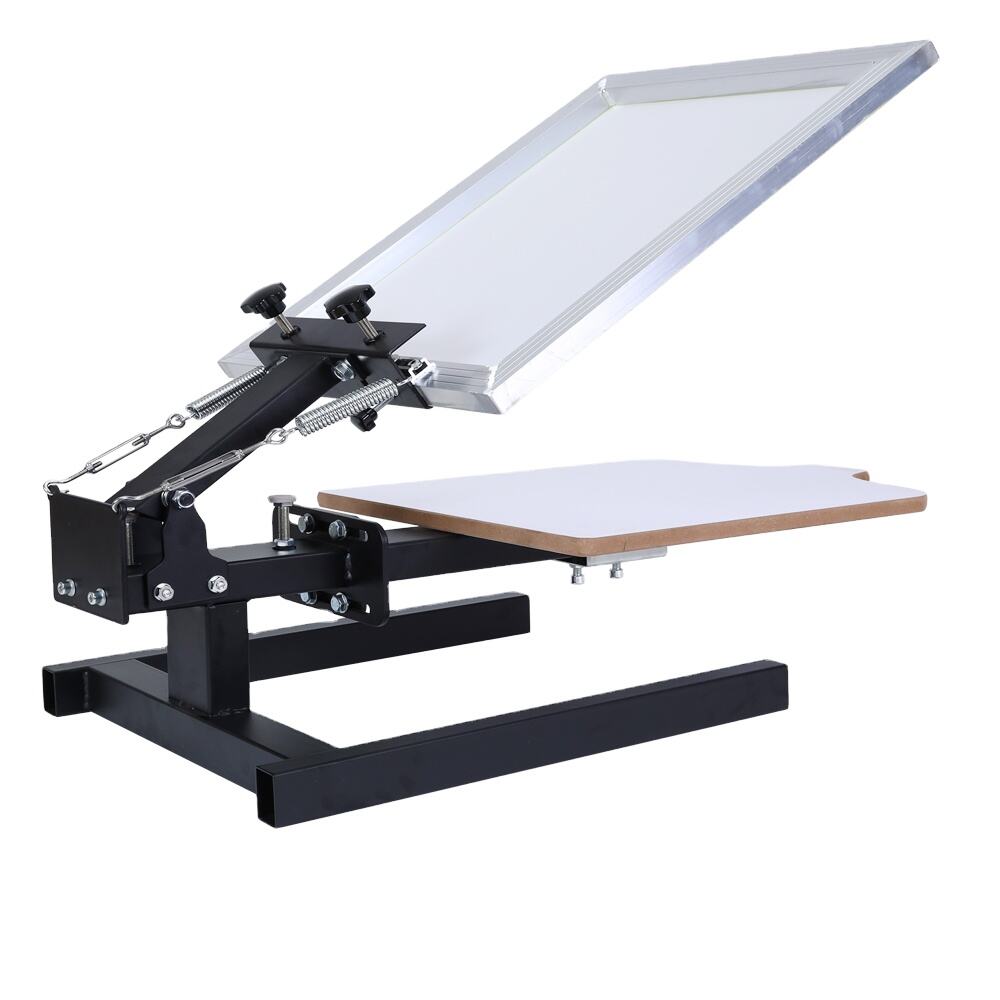
Single color manual screen printers represent the most accessible entry point for beginners and small-scale operations. These compact units typically accommodate screen frames up to 20x24 inches and provide adequate pressure for most textile applications. The screen printer designed for desktop use offers portability and space efficiency while maintaining professional printing capabilities.
Desktop models often feature adjustable screen angles, removable pallets, and tool-free setup procedures that streamline operation. These characteristics make them ideal for custom apparel businesses, promotional product companies, and creative professionals who require flexibility in their workspace setup. Many single color units can be upgraded with additional accessories as production needs grow, providing a scalable solution for expanding operations.
Multi-Station Manual Presses
Multi-station manual presses offer increased productivity through simultaneous color printing capabilities. Budget models in this category typically feature 4-color, 1-station or 6-color, 4-station configurations that balance functionality with affordability. These presses incorporate rotating carousels, adjustable off-contact distances, and individual screen clamps that facilitate efficient multi-color production.
The modular design of quality multi-station presses allows operators to configure the equipment according to specific job requirements. Removable pallets, interchangeable screens, and adjustable squeegee assemblies provide versatility across different printing applications. Some budget multi-station models include micro-registration systems and pneumatic screen lifting mechanisms that enhance precision and reduce operator fatigue during extended production runs.
Automatic Screen Printing Solutions
Entry-Level Automatic Models
Automatic screen printer systems represent the next evolution in production efficiency, offering programmable controls and consistent printing parameters. Budget automatic models typically feature single-head configurations with variable speed controls, adjustable print stroke lengths, and digital timer functions. These systems reduce labor requirements while maintaining print quality consistency across large production runs.
Modern entry-level automatic equipment incorporates user-friendly control interfaces that simplify operation and reduce training requirements. Programmable memory functions store job parameters for repeat orders, while safety features protect operators and prevent equipment damage. These capabilities make automatic screen printers accessible to small businesses seeking to increase production capacity without significant capital investment.
Semi-Automatic Hybrid Systems
Semi-automatic screen printing systems combine manual loading with automated printing cycles, providing a middle ground between fully manual and automatic operation. These hybrid systems typically feature pneumatic printing mechanisms, adjustable cycle timers, and manual substrate positioning. The operator maintains control over job setup and material handling while the system ensures consistent printing pressure and cycle timing.
Budget semi-automatic models often include features such as adjustable print heads, variable speed controls, and interchangeable tooling that accommodate different substrate types and sizes. These systems particularly benefit operations that require frequent job changes or handle specialty substrates that demand manual positioning. The reduced physical demands of semi-automatic operation increase operator productivity while maintaining the flexibility needed for custom printing applications.
Key Performance Specifications
Print Area and Screen Capacity
The maximum print area determines the size limitations for designs and substrates that a screen printer can accommodate. Budget models typically offer print areas ranging from 12x16 inches for desktop units to 18x24 inches for larger manual presses. Understanding print area requirements helps buyers select equipment that matches their intended applications without over-investing in unnecessary capacity.
Screen frame compatibility represents another critical specification that affects versatility and operational costs. Most budget screen printers accommodate standard aluminum frames with common mesh counts suitable for textile printing. Some models include adjustable frame clamps that accept various frame thicknesses, providing flexibility when sourcing screens from different suppliers or upgrading to specialized mesh types for specific applications.
Pressure Systems and Adjustability
Consistent printing pressure ensures uniform ink deposition and professional appearance across all printed items. Budget screen printer models employ various pressure systems, from simple spring-loaded mechanisms to adjustable pneumatic cylinders. The ability to fine-tune pressure settings accommodates different ink types, substrate materials, and design requirements while preventing excessive wear on screens and squeegees.
Advanced pressure control systems in budget equipment often include pressure gauges, adjustment knobs, and preset positions that facilitate consistent setup between jobs. These features reduce setup time and eliminate guesswork when transitioning between different printing applications. Proper pressure adjustment capabilities directly impact print quality, ink consumption, and screen longevity, making this specification crucial for long-term operational success.
Cost Analysis and Value Considerations
Initial Investment and Operating Costs
Budget screen printer pricing varies significantly based on features, construction quality, and manufacturer reputation. Entry-level manual models typically range from several hundred to a few thousand dollars, while automatic systems command higher prices but offer greater production capacity. Evaluating the total cost of ownership includes considerations for maintenance, consumables, and potential upgrade requirements as production needs evolve.
Operating costs encompass consumable materials such as screens, squeegees, inks, and cleaning supplies, along with utilities and maintenance requirements. Budget equipment that accepts standard consumables and replacement parts helps control ongoing operational expenses. Some manufacturers offer package deals that include essential accessories and starter supplies, providing better initial value and reducing the complexity of initial setup.
Return on Investment Calculations
Calculating potential return on investment helps justify screen printer purchases and guides equipment selection decisions. Factors include production capacity, labor savings, quality improvements, and market opportunities that the equipment enables. Budget models that increase production efficiency or enable new service offerings can generate positive returns relatively quickly, especially in high-demand markets.
Market analysis should consider local competition, pricing structures, and demand patterns that affect revenue potential. Screen printer operators who focus on niche markets or specialized applications often achieve higher margins that accelerate investment recovery. Understanding the relationship between equipment capabilities and market opportunities helps buyers select models that align with their business strategies and financial goals.
Maintenance and Troubleshooting
Routine Maintenance Procedures
Regular maintenance ensures reliable operation and extends the service life of budget screen printing equipment. Essential maintenance tasks include cleaning ink residue from components, lubricating moving parts, and inspecting wear items such as squeegees and screen gaskets. Establishing maintenance schedules based on usage patterns prevents unexpected breakdowns and maintains print quality consistency.
Quality budget screen printer manufacturers provide comprehensive maintenance documentation and support resources that guide operators through routine procedures. Some models feature maintenance indicators or hour meters that prompt scheduled service intervals. Access to replacement parts and technical support significantly impacts the long-term viability of budget equipment, making manufacturer reputation an important selection criterion.
Common Issues and Solutions
Understanding common operational issues and their solutions helps operators maximize equipment productivity and minimize downtime. Typical problems include registration drift, uneven ink coverage, and premature screen wear. Many issues result from improper setup, inadequate maintenance, or using incompatible consumables rather than equipment defects.
Diagnostic procedures for identifying and correcting common problems should be part of operator training programs. Budget screen printer models with simplified designs often facilitate easier troubleshooting and repair procedures compared to complex automatic systems. Access to technical support, online resources, and user communities provides valuable assistance when addressing operational challenges that may arise during production.
FAQ
What features should I prioritize when selecting a budget screen printer
Focus on registration accuracy, frame construction quality, and pressure adjustment capabilities as primary selection criteria. These features directly impact print quality and operational efficiency regardless of price point. Consider your specific production needs, available workspace, and growth projections when evaluating feature sets. Additional features like micro-registration systems and tool-free adjustments provide long-term value even in budget models.
How much production capacity can I expect from entry-level equipment
Manual budget screen printers typically handle 50-150 pieces per hour depending on design complexity and operator experience. Semi-automatic models can increase throughput to 200-400 pieces per hour while maintaining consistent quality. Production capacity also depends on setup efficiency, ink curing methods, and material handling procedures. Consider these factors when calculating potential output and planning production schedules.
What ongoing costs should I budget for screen printing operations
Consumable costs typically include screens, inks, squeegees, emulsion, and cleaning chemicals, which may represent 15-25% of revenue depending on job types and efficiency. Factor in utilities, maintenance supplies, and replacement parts when calculating operating expenses. Budget equipment that accepts standard industry consumables helps control these ongoing costs while maintaining operational flexibility.
Can budget models produce professional-quality results comparable to expensive equipment
Quality budget screen printers can produce professional results when properly set up and operated by skilled technicians. The key differences often involve production speed, automation features, and convenience rather than fundamental print quality. Investing time in proper setup, maintenance, and operator training maximizes the capabilities of budget equipment and ensures consistent professional output that meets customer expectations.