 EN
EN
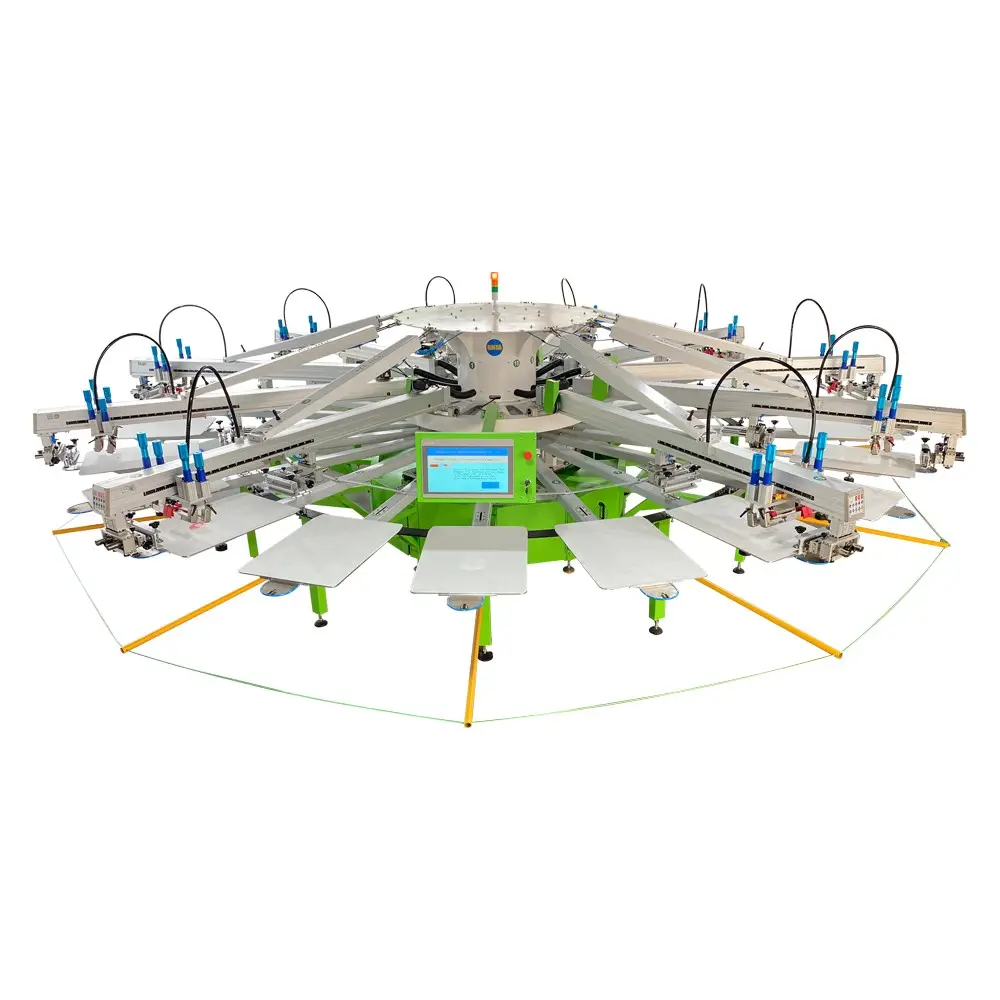
Selecting the right screen printer for your business or creative projects represents a crucial investment decision that can significantly impact your production capabilities and overall success. Whether you're launching a custom apparel business, expanding an existing print shop, or diving into promotional product manufacturing, understanding the key factors that distinguish quality screen printer equipment from inferior alternatives will help you make an informed choice. The market offers numerous options, from entry-level manual presses to sophisticated automatic systems, each designed to meet specific production requirements and budget constraints.
Understanding Screen Printer Types and Technologies
Manual Screen Printing Systems
Manual screen printer systems represent the entry point for many businesses and hobbyists venturing into screen printing operations. These machines require operators to physically move screens, apply ink, and control the printing process through manual manipulation. While they demand more labor and skill development, manual systems offer excellent learning opportunities and cost-effective solutions for small-batch production runs. The simplicity of manual screen printer designs also means fewer mechanical components that could potentially malfunction, resulting in lower maintenance requirements and reduced operational complexity.
The versatility of manual screen printer equipment allows operators to maintain complete control over print quality, ink application pressure, and timing throughout each production cycle. This hands-on approach enables fine-tuning and customization that automated systems might not accommodate as easily. Additionally, manual systems typically require smaller initial investments, making them attractive options for startups and businesses testing market demand before committing to larger automated equipment purchases.
Semi-Automatic Screen Printing Equipment
Semi-automatic screen printer systems bridge the gap between manual operation and full automation, incorporating pneumatic or electric assistance for certain functions while maintaining operator control over critical aspects. These machines often feature automatic screen lifting, precise pressure control, and consistent squeegee movement, reducing operator fatigue while improving print consistency. The hybrid nature of semi-automatic screen printer technology makes it suitable for medium-volume production environments where quality control remains paramount but efficiency gains are necessary.
Investment in semi-automatic screen printer equipment provides businesses with scalability options, allowing for increased production capacity without the substantial financial commitment required for fully automatic systems. The learning curve for semi-automatic systems typically proves more manageable than jumping directly to fully automated equipment, enabling operators to develop expertise gradually while benefiting from improved efficiency and consistency compared to manual alternatives.
Automatic Screen Printing Systems
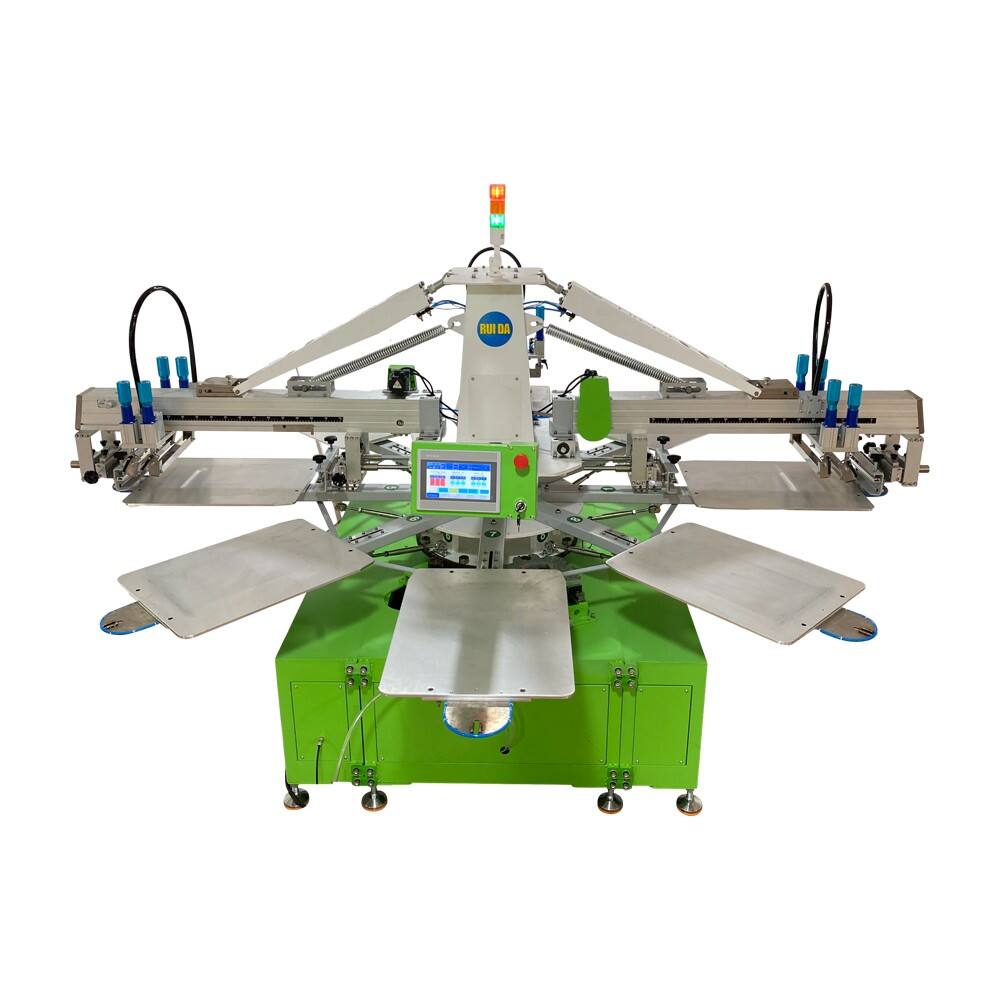
Fully automatic screen printer systems represent the pinnacle of production efficiency and consistency in screen printing operations. These sophisticated machines handle multiple functions autonomously, including substrate feeding, screen positioning, ink application, and product removal. Advanced automatic screen printer systems can operate multiple stations simultaneously, dramatically increasing throughput while maintaining precise registration and consistent ink coverage across thousands of impressions.
The complexity of automatic screen printer systems requires significant upfront investment and ongoing maintenance commitments, but the return on investment becomes apparent in high-volume production scenarios. These machines excel in environments where consistent quality, rapid turnaround times, and labor cost reduction are primary concerns. Modern automatic systems often incorporate digital controls, programmable settings, and quality monitoring systems that ensure optimal performance across diverse printing applications.
Critical Technical Specifications and Features
Print Bed Size and Configuration
The print bed dimensions of your chosen screen printer directly influence the range of substrates and designs you can accommodate in your production workflow. Standard screen printer configurations offer various bed sizes, from compact desktop units suitable for small items to large-format systems capable of handling oversized graphics and multiple-piece layouts. Consider not only current production requirements but also potential future expansion when evaluating bed size options, as upgrading equipment later often proves more expensive than investing in appropriate capacity initially.
Adjustable print bed features enhance screen printer versatility, allowing operators to accommodate different substrate thicknesses and maintain proper off-contact distances for optimal ink transfer. Some advanced systems offer modular print bed configurations that can be reconfigured for different applications, providing flexibility that justifies higher initial investment costs through expanded production capabilities.
Station Count and Color Capacity
Multi-station screen printer systems enable complex multi-color designs and increased production efficiency through simultaneous operation capabilities. The number of available stations determines how many colors can be printed in a single pass and how many operators can work simultaneously on different aspects of the production process. Higher station counts typically correlate with increased productivity potential, but also require more sophisticated registration systems and operator coordination.
When evaluating station count requirements for your screen printer selection, consider typical design complexity, production volume expectations, and available floor space. Over-specifying station count can lead to unnecessary equipment costs and operational complexity, while under-specifying may limit growth potential and force inefficient production workflows that reduce profitability and competitiveness in demanding market conditions.
Registration and Alignment Systems
Precision registration systems distinguish professional-grade screen printer equipment from basic alternatives, ensuring accurate color-to-color alignment in multi-color designs. Advanced registration features include micro-adjustments, digital readouts, and automated alignment assistance that reduce setup time while improving print quality consistency. The importance of registration accuracy becomes particularly critical in detailed designs, process color printing, and applications where color overlap or gaps would be immediately noticeable.
Modern screen printer registration systems often incorporate quick-release mechanisms and repeatable positioning features that streamline job changeovers and reduce downtime between different printing projects. These efficiency improvements can significantly impact overall productivity and profitability, particularly in environments where frequent job changes and diverse design requirements are common operational characteristics.
Production Volume and Efficiency Considerations
Throughput Capacity Analysis
Understanding the realistic production capacity of different screen printer options requires careful analysis of several factors beyond manufacturer specifications. Actual throughput depends on design complexity, number of colors, substrate characteristics, setup time, and operator skill level. Manual screen printer systems typically produce 50-150 impressions per hour depending on complexity, while semi-automatic systems can achieve 200-400 impressions hourly, and fully automatic systems may exceed 1000 impressions per hour under optimal conditions.
When evaluating screen printer throughput capabilities, consider peak production periods, seasonal fluctuations, and growth projections to ensure selected equipment can meet demand without creating bottlenecks. Underestimating capacity requirements often leads to compromised quality as operators rush to meet deadlines, while over-investing in capacity may strain budgets unnecessarily if demand projections prove overly optimistic.
Setup Time and Job Changeover
Efficient job changeover capabilities significantly impact overall screen printer productivity, particularly in environments handling diverse orders with frequent design changes. Quick-change features, standardized tooling systems, and streamlined setup procedures reduce non-productive time between jobs while maintaining quality standards. Advanced screen printer systems often incorporate memory settings, programmable controls, and standardized registration systems that minimize setup complexity and reduce operator skill requirements.
The total cost of ownership for screen printer equipment should factor in labor costs associated with setup and changeover activities. Equipment that enables faster job transitions may justify higher purchase prices through improved labor efficiency and increased daily throughput capacity, ultimately providing better return on investment despite higher upfront costs.
Quality Control and Consistency Features
Pressure Control and Consistency
Consistent ink application pressure across the print bed ensures uniform color density and prevents defects that compromise print quality. Professional screen printer systems incorporate pressure monitoring and adjustment capabilities that maintain optimal conditions throughout production runs. Pneumatic pressure systems offer precise control and consistency, while manual systems require skilled operators to maintain appropriate pressure through physical technique and experience.
Variable pressure control features enable screen printer operators to optimize settings for different ink types, substrate materials, and design requirements. This flexibility proves essential when working with specialized inks, challenging substrates, or designs requiring specific aesthetic characteristics. Advanced systems may include pressure memory settings that automatically adjust parameters based on stored job specifications, reducing setup time while ensuring consistent results.
Speed Control and Timing
Controllable print speed features allow screen printer operators to optimize production parameters for different applications and quality requirements. Slower speeds generally produce better ink coverage and detail reproduction, while faster speeds increase productivity but may compromise fine detail quality. Variable speed control enables operators to find optimal settings for each specific application, balancing quality requirements with production efficiency goals.
Consistent timing throughout the printing cycle ensures repeatable results and reduces variability that can affect print quality. Advanced screen printer systems often incorporate programmable timing controls that maintain precise dwell times, lifting speeds, and cycle intervals that optimize ink transfer while preventing issues like ink bleeding or incomplete coverage that compromise finished product quality.
Budget Considerations and Return on Investment
Initial Investment Analysis
Screen printer equipment costs vary dramatically based on features, capacity, and build quality, ranging from a few hundred dollars for basic manual systems to hundreds of thousands for industrial automatic installations. Budget considerations must extend beyond purchase price to include installation, training, accessories, and ongoing operational costs. Entry-level screen printer options may appear attractive initially but could prove inadequate for business growth or demanding production requirements.
Financing options and leasing arrangements can make higher-capacity screen printer systems accessible to businesses with limited capital while providing tax advantages and preserving cash flow for other operational needs. When evaluating financing options, consider total cost over the equipment lifespan and ensure monthly payments align with realistic revenue projections based on equipment capabilities and market conditions.
Operating Cost Calculations
Long-term operating costs significantly impact the total cost of ownership for screen printer equipment beyond initial purchase prices. Factors include energy consumption, maintenance requirements, consumable supplies, and labor costs associated with operation and upkeep. Higher-efficiency screen printer systems may justify premium purchase prices through reduced operating costs over equipment lifespan, particularly in high-volume production environments.
Maintenance costs vary considerably between different screen printer designs and quality levels. Systems with fewer moving parts generally require less maintenance, while complex automatic systems may need specialized service support and replacement parts that increase ongoing operational expenses. Factor these considerations into equipment selection decisions to avoid unexpected costs that could impact profitability and business viability.
Vendor Selection and Support Services
Technical Support and Training
Comprehensive technical support and training programs distinguish reputable screen printer manufacturers from companies offering limited post-sale assistance. Quality vendors provide installation support, operator training, troubleshooting assistance, and ongoing technical consultation that helps maximize equipment performance and minimize downtime. Inadequate support can render even excellent screen printer equipment problematic if operators lack proper training or technical issues cannot be resolved quickly.
Training programs should cover not only basic operation but also maintenance procedures, troubleshooting techniques, and optimization strategies that help operators achieve maximum productivity and quality from their screen printer investment. Advanced training options may include specialized applications, advanced techniques, and business development support that adds value beyond basic equipment operation knowledge.
Parts Availability and Service Network
Long-term parts availability and service network accessibility significantly impact the useful life and total cost of ownership for screen printer equipment. Established manufacturers with extensive service networks provide faster response times and more readily available replacement parts when maintenance or repairs become necessary. Local service availability can be particularly important for businesses requiring minimal downtime and quick resolution of technical issues.
Warranty coverage and service agreement options provide protection against unexpected repair costs while ensuring access to qualified technicians familiar with specific screen printer models and applications. Extended warranty programs may prove cost-effective for businesses heavily dependent on equipment uptime and consistent production capability to meet customer commitments and maintain competitive positioning.
FAQ
What factors should I prioritize when selecting my first screen printer?
For first-time buyers, prioritize reliability, ease of use, and comprehensive support over advanced features you may not immediately need. Consider your expected production volume, typical design complexity, and available workspace when evaluating different screen printer options. Budget for training, accessories, and setup costs beyond the equipment purchase price, and choose vendors offering strong technical support and training programs to ensure successful implementation.
How do I determine the appropriate capacity for my screen printer needs?
Calculate your expected daily and peak production requirements, then add 25-30% capacity buffer to account for growth and inefficiencies. Consider factors like setup time, design complexity, and quality control requirements that affect actual throughput rates. Evaluate whether consistent daily production or handling occasional large orders represents your primary need, as this impacts the type of screen printer system that provides optimal cost-effectiveness.
What maintenance requirements should I expect with different screen printer types?
Manual screen printer systems require primarily cleaning and lubrication maintenance that operators can typically handle internally. Semi-automatic and automatic systems need more sophisticated maintenance including pneumatic system servicing, electronic component inspection, and precision adjustment verification. Budget for regular professional servicing, replacement parts inventory, and potential downtime when planning your screen printer maintenance program.
How important is vendor location and support network for screen printer purchases?
Vendor proximity and support network strength become crucial factors for businesses requiring minimal downtime and quick technical assistance. Local or regional support provides faster response times for emergency repairs and more cost-effective routine maintenance services. However, don't sacrifice equipment quality or features for vendor proximity alone, as excellent remote support programs can sometimes compensate for geographic distance in screen printer vendor selection decisions.
Table of Contents
- Understanding Screen Printer Types and Technologies
- Critical Technical Specifications and Features
- Production Volume and Efficiency Considerations
- Quality Control and Consistency Features
- Budget Considerations and Return on Investment
- Vendor Selection and Support Services
-
FAQ
- What factors should I prioritize when selecting my first screen printer?
- How do I determine the appropriate capacity for my screen printer needs?
- What maintenance requirements should I expect with different screen printer types?
- How important is vendor location and support network for screen printer purchases?