 EN
EN
The screen printing industry has evolved dramatically over the past few decades, with businesses facing a critical decision between manual and automatic screen print machines. This choice significantly impacts production efficiency, product quality, and overall profitability. Modern manufacturers must carefully evaluate their specific needs, production volumes, and budget constraints when selecting the right screen printer for their operations. Understanding the fundamental differences between these two approaches is essential for making an informed investment decision that will serve your business for years to come.
Understanding Manual Screen Printing Systems
Basic Operation and Mechanics
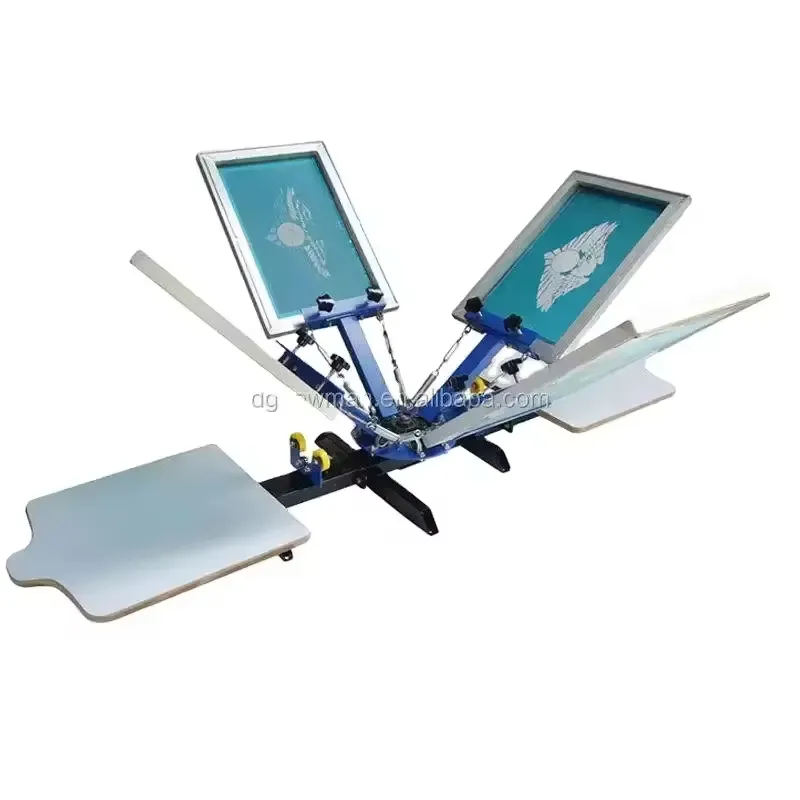
Manual screen printing systems represent the traditional approach to screen printing, requiring human operators to control every aspect of the printing process. These systems typically consist of a squeegee, screen frame, and substrate holder, with the operator manually applying pressure and controlling the printing stroke. The screen printer operator must maintain consistent pressure, speed, and angle throughout each print cycle to ensure uniform results. This hands-on approach provides complete control over each impression but demands significant skill and experience from the operator.
The setup process for manual systems involves positioning the screen, adjusting registration marks, and preparing the ink consistency. Operators must physically lift and lower screens between color applications, requiring coordination and timing to maintain wet-on-wet printing when necessary. Manual screen printer setups allow for immediate adjustments during production, enabling operators to compensate for variations in substrate thickness or ink behavior in real-time.
Advantages of Manual Systems
Manual screen printing offers several distinct advantages that make it attractive for specific applications and business models. The initial investment cost is significantly lower than automatic systems, making manual equipment accessible to startups and small businesses with limited capital. This affordability extends beyond the initial purchase, as maintenance costs remain minimal due to the simpler mechanical components and fewer electronic systems that could require repair.
Flexibility represents another major strength of manual screen printer systems. Operators can easily switch between different substrate types, ink formulations, and printing techniques without extensive reconfiguration. This adaptability proves invaluable for custom printing shops that handle diverse orders with varying specifications. Manual systems excel in prototype development and short-run production where setup time efficiency matters more than high-volume throughput rates.
Limitations and Challenges
Despite their advantages, manual systems face inherent limitations that can impact production efficiency and consistency. The reliance on human operators introduces variability in print quality, as maintaining perfectly consistent pressure, speed, and registration across hundreds of impressions proves challenging. Operator fatigue becomes a significant factor during extended production runs, potentially leading to quality degradation and increased error rates as the workday progresses.
Production speed limitations represent a fundamental constraint of manual screen printer operations. Even skilled operators cannot match the consistent cycle times achievable with automatic systems, limiting overall throughput capacity. This speed limitation becomes increasingly problematic as order volumes grow, potentially requiring additional manual stations or extended work schedules to meet delivery deadlines.
Exploring Automatic Screen Printing Technology
Advanced Automation Features
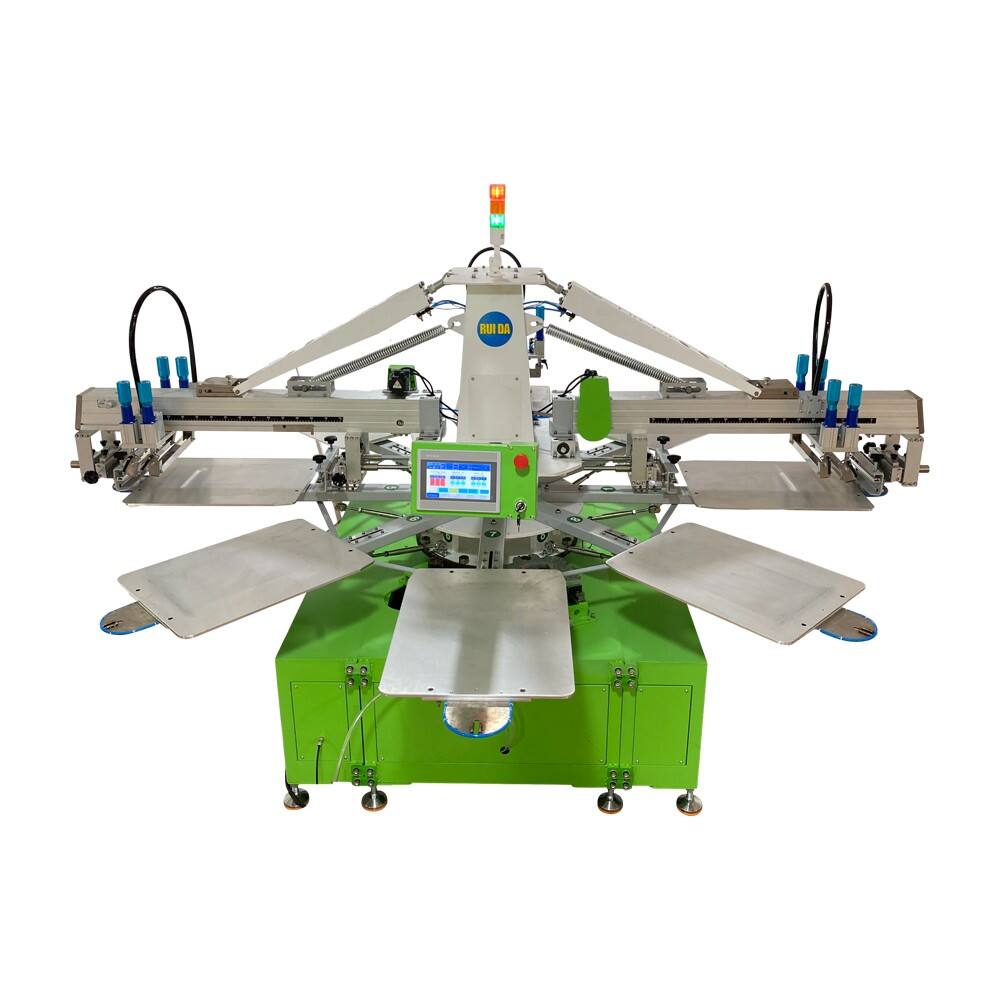
Automatic screen printing machines represent the pinnacle of screen printing technology, incorporating sophisticated mechanical and electronic systems to control every aspect of the printing process. These systems feature programmable controllers that maintain precise squeegee pressure, print speed, and off-contact distance throughout production runs. Modern automatic screen printer units include servo motors, pneumatic actuators, and computerized registration systems that ensure consistent results regardless of operator skill level.
Contemporary automatic systems offer advanced features such as automatic substrate loading and unloading, multi-color registration systems, and integrated curing capabilities. These machines can store multiple job parameters in memory, allowing quick changeovers between different products without extensive manual adjustments. Some high-end models incorporate vision systems for automatic registration correction and quality monitoring throughout the production process.
Production Efficiency Benefits
The primary advantage of automatic screen printer systems lies in their exceptional production efficiency and consistency. These machines can maintain optimal printing parameters continuously, eliminating the variability introduced by human operators. Cycle times remain constant throughout production runs, enabling accurate scheduling and delivery commitments. High-volume manufacturers often achieve production rates several times faster than manual alternatives while maintaining superior quality consistency.
Automatic systems reduce labor requirements significantly, as one operator can often manage multiple machines simultaneously. This labor efficiency translates into lower per-unit production costs for high-volume orders, improving overall profitability. The consistent quality output reduces waste and rework, further enhancing the economic advantages of automatic screen printer technology in commercial applications.
Investment Considerations
The financial investment required for automatic screen printing systems substantially exceeds manual alternatives, often representing a significant capital expenditure for manufacturers. Beyond the initial purchase price, automatic systems require more complex maintenance procedures and specialized technical knowledge for repairs. Electronic components, servo motors, and computerized controls add complexity that can increase downtime and repair costs compared to simpler manual systems.
However, the return on investment for automatic screen printer equipment can be compelling for high-volume operations. The combination of increased production speed, reduced labor costs, and improved quality consistency often justifies the higher initial investment. Manufacturers must carefully analyze their projected production volumes and profit margins to determine the break-even point for automatic system investments.
Comparative Analysis and Decision Factors
Production Volume Requirements
The decision between manual and automatic screen printer systems often hinges on projected production volumes and growth expectations. Manual systems prove most cost-effective for businesses producing fewer than 1,000 pieces per day or those handling primarily custom, short-run orders. The lower initial investment and operational flexibility of manual systems align well with variable production schedules and diverse product requirements typical of smaller operations.
Automatic systems become increasingly attractive as production volumes exceed 2,000-3,000 pieces daily, where the speed and consistency advantages overcome the higher initial costs. Large-scale manufacturers processing tens of thousands of impressions require the reliability and efficiency that only automatic screen printer technology can provide. The scalability of automatic systems also supports business growth without requiring complete equipment replacement.
Quality and Consistency Standards
Quality requirements play a crucial role in equipment selection, particularly for applications demanding tight tolerances and consistent results. Automatic screen printer systems excel in maintaining precise registration, consistent ink deposit, and uniform pressure across large production runs. Industries such as electronics, automotive, and medical device manufacturing often require the repeatability that only automatic systems can achieve.
Manual systems can produce excellent quality results when operated by skilled technicians, but maintaining that quality across thousands of impressions presents challenges. The human element introduces natural variation that may be acceptable for textile printing or promotional products but inadequate for technical applications requiring precise specifications. Quality-critical applications typically justify the investment in automatic screen printer technology.
Operational Flexibility Needs
Flexibility requirements significantly influence the choice between manual and automatic systems. Custom printing shops, prototype manufacturers, and businesses handling frequent product changes benefit from the adaptability of manual screen printer setups. Quick changeovers, easy substrate accommodation, and the ability to make real-time adjustments support diverse production requirements without extensive downtime.
Automatic systems, while less flexible for frequent changes, excel in dedicated production environments where consistency and volume matter more than versatility. Modern automatic screen printer units offer programmable job storage and quick-change features that reduce setup times, but they still require more planning and preparation compared to manual alternatives. The choice depends on whether your operation prioritizes flexibility or consistency as the primary success factor.
Implementation and Integration Strategies
Workforce Training Requirements
The successful implementation of either manual or automatic screen printer systems requires appropriate workforce training and skill development. Manual systems demand operators with strong hand-eye coordination, consistent technique, and the ability to maintain quality through physical stamina. Training programs for manual operators focus on proper squeegee handling, pressure control, and visual quality assessment skills that develop over time through practice and experience.
Automatic systems require a different skill set, emphasizing technical knowledge of programmable controllers, maintenance procedures, and troubleshooting capabilities. Operators must understand how to optimize machine parameters, perform routine maintenance, and identify potential mechanical or electronic issues before they impact production. The initial training investment for automatic screen printer operation may be higher, but the skills transfer more easily between similar machines.
Maintenance and Support Infrastructure
Maintenance requirements differ significantly between manual and automatic systems, affecting long-term operational costs and reliability. Manual screen printer equipment requires basic mechanical maintenance, screen cleaning, and squeegee replacement, tasks that most operators can perform with minimal training. The simplicity of manual systems reduces dependency on specialized technical support and minimizes downtime associated with complex repairs.
Automatic systems demand comprehensive maintenance programs including electronic diagnostics, servo motor calibration, and software updates. These systems benefit from preventive maintenance schedules that address potential issues before they cause production interruptions. Manufacturers must consider the availability of qualified service technicians and spare parts when selecting automatic screen printer equipment, as these factors directly impact operational continuity.
Future-Proofing Your Investment
Technology Evolution Trends
The screen printing industry continues evolving toward greater automation, digital integration, and smart manufacturing capabilities. Modern automatic screen printer systems increasingly incorporate IoT connectivity, predictive maintenance algorithms, and integration with enterprise resource planning systems. These technological advances enable real-time production monitoring, automatic quality control, and data-driven process optimization that manual systems cannot match.
Industry 4.0 principles are reshaping manufacturing expectations, with customers demanding greater traceability, consistency, and efficiency from their suppliers. Businesses investing in screen printer technology must consider how their equipment choice aligns with these evolving market demands and whether their selected system can adapt to future requirements through upgrades or integration capabilities.
Scalability and Growth Planning
Long-term business growth projections should influence equipment selection decisions, as the costs and disruption associated with system replacement can be substantial. Manual screen printer systems offer limited scalability, requiring additional manual stations and operators to increase capacity. This approach can work for gradual growth but becomes unwieldy as production volumes increase significantly.
Automatic systems provide more scalable growth paths through increased utilization, additional stations, or integration with automated handling systems. Some manufacturers adopt a hybrid approach, starting with manual systems for initial market development and gradually transitioning to screen printer automation as volumes justify the investment. This strategy allows businesses to match their equipment capabilities with actual market demand while preserving capital for other business needs.
FAQ
What production volume justifies investing in automatic screen printer equipment
The break-even point for automatic screen printer systems typically occurs around 2,000-3,000 impressions per day, depending on your labor costs and product margins. Businesses processing higher volumes benefit from the speed and consistency advantages, while lower volume operations often find manual systems more cost-effective. Consider your growth projections and quality requirements when making this decision, as automatic systems offer better scalability for expanding operations.
How do maintenance costs compare between manual and automatic systems
Manual screen printer systems have significantly lower maintenance costs due to their simpler mechanical design and fewer electronic components. Routine maintenance involves basic cleaning, squeegee replacement, and occasional part lubrication that operators can perform. Automatic systems require more complex maintenance including electronic diagnostics, servo motor calibration, and software updates, typically requiring specialized technical support and higher spare parts costs.
Can manual systems achieve the same quality as automatic equipment
Skilled operators using manual screen printer systems can achieve excellent quality results comparable to automatic equipment for individual impressions. However, maintaining consistent quality across thousands of impressions proves challenging due to operator fatigue and natural variation in human performance. Automatic systems excel in applications requiring tight tolerances and absolute consistency throughout large production runs.
What factors should small businesses consider when choosing screen printer technology
Small businesses should evaluate their production volume, budget constraints, product diversity, and growth plans when selecting screen printer equipment. Manual systems offer lower initial investment, greater flexibility for custom work, and simpler operation, making them ideal for startups and variable production environments. Consider automatic systems if you project consistent high-volume orders and have the capital to invest in increased efficiency and quality consistency.
Table of Contents
- Understanding Manual Screen Printing Systems
- Exploring Automatic Screen Printing Technology
- Comparative Analysis and Decision Factors
- Implementation and Integration Strategies
- Future-Proofing Your Investment
-
FAQ
- What production volume justifies investing in automatic screen printer equipment
- How do maintenance costs compare between manual and automatic systems
- Can manual systems achieve the same quality as automatic equipment
- What factors should small businesses consider when choosing screen printer technology