 EN
EN
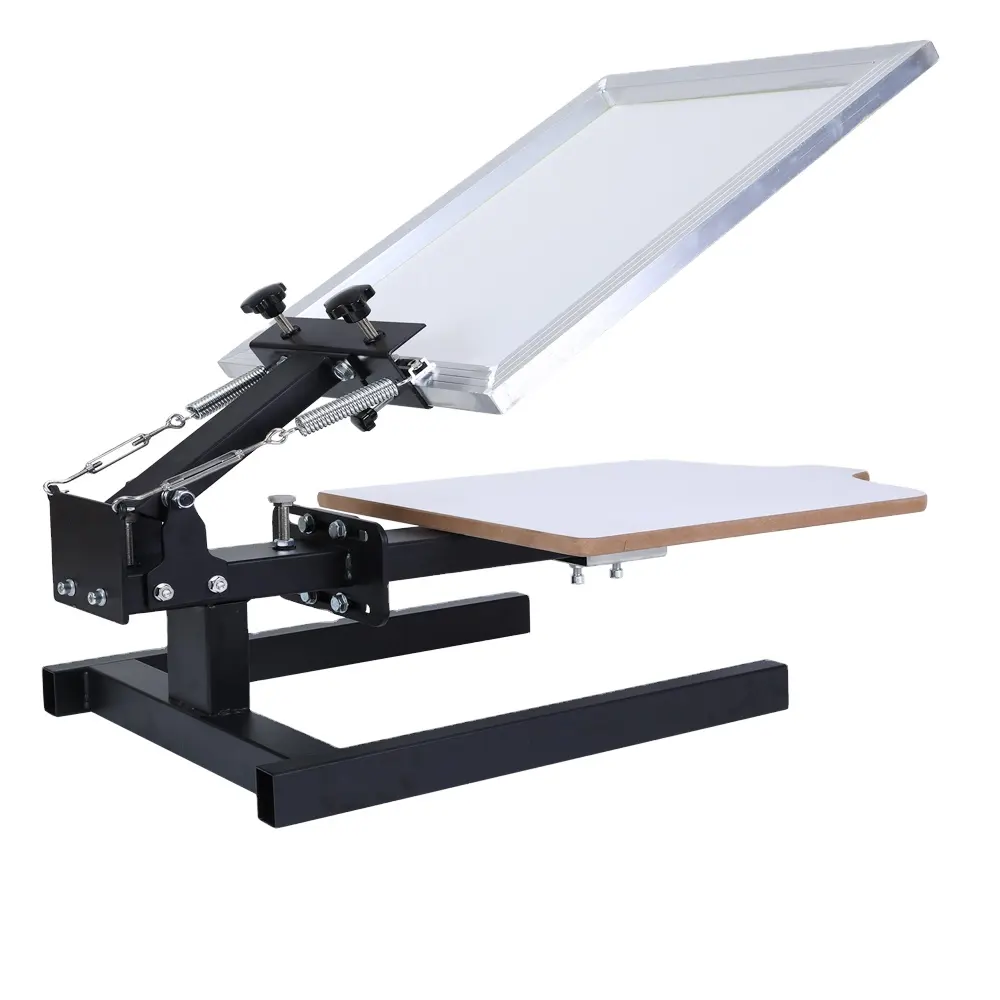
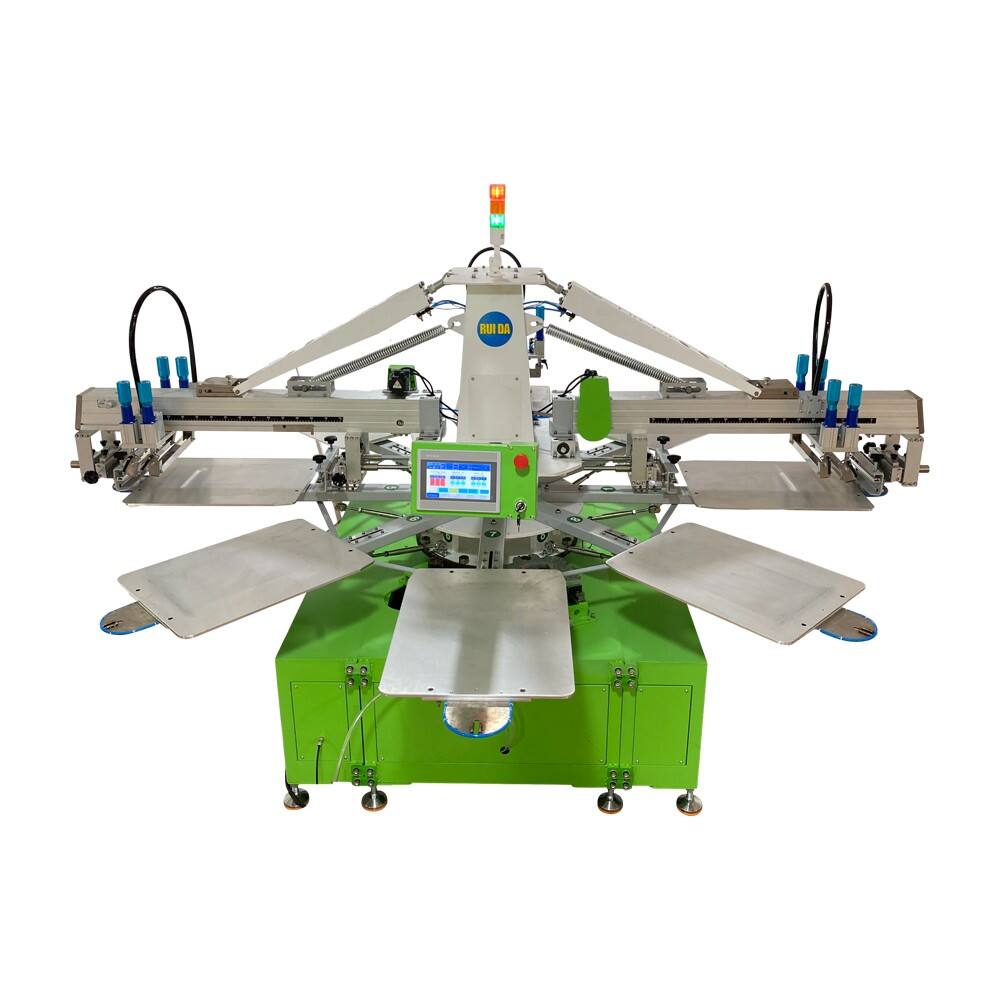
The textile and promotional products industry has witnessed remarkable technological advancements in recent years, with modern screen printing machine technology leading the charge. These sophisticated pieces of equipment have revolutionized how businesses approach high-volume printing operations, offering unprecedented precision, speed, and versatility. Whether you're managing a small custom apparel shop or operating a large-scale commercial printing facility, understanding the capabilities of today's advanced screen printing machine systems can significantly impact your operational efficiency and product quality.
Advanced Automation Systems
Servo Motor Technology
Modern screen printing machine designs incorporate sophisticated servo motor systems that deliver exceptional accuracy in every printing cycle. These precision-engineered motors provide consistent registration across multiple colors, ensuring that complex designs maintain perfect alignment throughout extended production runs. The servo technology eliminates the variability associated with traditional pneumatic systems, resulting in significantly reduced waste and improved overall print quality.
The integration of servo motors in contemporary screen printing machine configurations also enables variable speed control, allowing operators to adjust printing speeds based on specific substrate requirements and ink viscosities. This adaptability proves particularly valuable when working with specialty inks or delicate materials that require gentler handling during the printing process.
Programmable Logic Controllers
Today's screen printing machine systems feature advanced PLC technology that allows operators to store and recall specific printing parameters for different jobs. These programmable controllers maintain consistent pressure settings, squeegee angles, and flood stroke positions, ensuring repeatable results across multiple production runs. The digital interface simplifies job setup procedures and reduces the likelihood of operator error during complex multi-color printing operations.
The programmable nature of these control systems enables rapid job changeovers, significantly reducing downtime between different printing projects. Operators can quickly switch between stored programs, making it possible to handle diverse product lines efficiently without extensive manual adjustments to the screen printing machine configuration.
Enhanced Registration Systems
Micro-Registration Technology
Precision registration represents one of the most critical aspects of professional screen printing operations. Modern screen printing machine models incorporate micro-registration systems that allow for adjustments as fine as 0.1mm, ensuring perfect color alignment even in the most demanding applications. These systems typically feature both manual fine-tuning capabilities and automated registration assistance.
The micro-registration technology integrated into contemporary screen printing machine designs often includes visual alignment aids and measurement systems that help operators achieve optimal registration quickly and accurately. This level of precision proves essential when producing high-end graphics, photorealistic images, or designs with tight color tolerances.
Digital Registration Assistance
Many advanced screen printing machine systems now incorporate digital cameras and computer-assisted registration systems that automatically detect and correct registration errors. These systems continuously monitor print quality during production runs, making real-time adjustments to maintain consistent registration throughout the entire job.
The digital assistance capabilities extend beyond simple registration monitoring, often including features such as automatic off-contact adjustment and squeegee pressure optimization. This technology significantly reduces the skill level required for operators while maintaining professional-grade output quality from the screen printing machine.
Multi-Station Configuration Options
Modular Station Design
Contemporary screen printing machine architectures embrace modular design principles that allow businesses to scale their equipment capabilities according to production demands. These modular systems typically support configurations ranging from single-color setups to complex 12-station or larger arrangements, providing flexibility for growing operations.
The modular approach to screen printing machine construction also facilitates easier maintenance and component replacement. Individual stations can be serviced or upgraded without affecting the entire system's operation, minimizing production disruptions and extending the overall equipment lifespan.
Independent Station Control
Advanced multi-station screen printing machine designs feature independent control systems for each printing station, allowing operators to adjust parameters such as squeegee pressure, flood pressure, and print speed on a station-by-station basis. This granular control enables optimal printing conditions for each color in complex designs.
The independent station control capabilities also support specialized printing techniques such as discharge inks, water-based formulations, and specialty effects that may require different handling parameters. This versatility makes modern screen printing machine systems suitable for a broader range of applications and market segments.
Substrate Handling Innovations
Pallet Systems
Modern screen printing machine designs incorporate sophisticated pallet systems that accommodate diverse substrate types and sizes. These systems often feature quick-change mechanisms that allow rapid switching between different pallet configurations, supporting everything from small promotional items to oversized apparel pieces.
The advanced pallet systems integrated into contemporary screen printing machine setups frequently include pneumatic or magnetic hold-down systems that secure substrates during printing without leaving marks or residue. This technology proves particularly valuable when working with delicate fabrics or specialty materials that require gentle handling.
Automatic Loading Systems
High-end screen printing machine configurations now offer automatic loading and unloading capabilities that significantly increase production throughput while reducing labor requirements. These systems can handle various substrate types and sizes, automatically positioning items for printing and removing completed pieces.
The integration of automatic loading systems with modern screen printing machine technology often includes quality control features such as automatic substrate detection and rejection of improperly positioned items. This automation ensures consistent print placement and reduces waste from mispositioned substrates.
Ink Delivery and Management
Automated Ink Systems
Contemporary screen printing machine designs increasingly incorporate automated ink delivery systems that maintain consistent ink viscosity and coverage throughout production runs. These systems monitor ink levels and automatically replenish supplies, reducing the need for manual intervention during extended printing operations.
The automated ink management capabilities found in modern screen printing machine systems often include temperature control features that maintain optimal ink working properties regardless of ambient conditions. This consistency proves crucial when producing large quantities of items that must match established color standards.
Waste Reduction Technology
Advanced screen printing machine systems incorporate various waste reduction technologies, including ink recirculation systems that prevent ink from drying on screens during production pauses. These systems significantly reduce ink consumption and minimize the environmental impact of printing operations.
The waste reduction features integrated into modern screen printing machine designs also include automated cleaning systems that reduce solvent usage and improve screen longevity. These systems can perform cleaning cycles during production breaks, ensuring screens remain in optimal condition throughout extended runs.
Quality Control Integration
Vision Systems
Many advanced screen printing machine configurations now include integrated vision systems that continuously monitor print quality during production. These systems can detect various defects including registration errors, ink coverage issues, and substrate positioning problems, automatically flagging problematic items for operator attention.
The vision system technology incorporated into modern screen printing machine designs often includes learning capabilities that improve detection accuracy over time. These systems can be trained to recognize specific quality standards for different products, ensuring consistent output that meets customer expectations.
Data Collection and Analysis
Contemporary screen printing machine systems frequently include comprehensive data collection capabilities that track production metrics, quality indicators, and equipment performance parameters. This information provides valuable insights for process optimization and predictive maintenance scheduling.
The data analysis features available in modern screen printing machine technology often include cloud connectivity options that enable remote monitoring and support capabilities. This connectivity allows equipment manufacturers to provide proactive maintenance recommendations and troubleshooting assistance.
Energy Efficiency Features
Power Management Systems
Modern screen printing machine designs prioritize energy efficiency through intelligent power management systems that reduce consumption during idle periods and optimize energy usage during production. These systems can significantly reduce operational costs while supporting sustainability initiatives.
The power management capabilities integrated into contemporary screen printing machine technology often include scheduling features that allow equipment to enter low-power modes during planned downtime periods. This automation ensures optimal energy usage without requiring constant operator attention to power management tasks.
LED Curing Integration
Many advanced screen printing machine systems now support LED curing technology integration, which offers significant energy savings compared to traditional conveyor dryers. LED curing systems provide instant on/off capabilities and generate less heat, creating more comfortable working environments.
The LED curing compatibility found in modern screen printing machine designs often includes programmable curing profiles that can be optimized for different ink types and substrate materials. This flexibility enables efficient processing of diverse product lines while maintaining consistent cure quality.
FAQ
What maintenance requirements do modern screen printing machines have?
Modern screen printing machine systems typically require regular maintenance including daily cleaning of squeegees and flood bars, weekly lubrication of moving parts, and periodic calibration of registration systems. Most contemporary machines include automated maintenance reminders and diagnostic systems that help operators stay on top of required service intervals. The servo motor technology and advanced control systems generally require less frequent maintenance compared to older pneumatic systems.
How do automatic screen printing machines compare to manual systems in terms of production speed?
Automatic screen printing machine systems typically achieve production speeds of 600-1200 pieces per hour depending on design complexity and substrate type, compared to 100-300 pieces per hour for manual systems. The automated substrate loading, precise registration systems, and programmable controls eliminate many time-consuming manual adjustments, resulting in significantly higher throughput and more consistent quality across large production runs.
What types of inks work best with modern screen printing machine technology?
Contemporary screen printing machine systems are designed to handle a wide variety of ink formulations including plastisol, water-based, discharge, and specialty effect inks. The programmable pressure controls and temperature management systems allow operators to optimize settings for different ink viscosities and curing requirements. Many machines also support low-cure and LED-curable ink systems that offer environmental benefits and energy savings.
Can modern screen printing machines handle both small and large production runs efficiently?
Yes, modern screen printing machine designs excel at both short and long production runs due to their programmable job storage capabilities and quick changeover features. The ability to save and recall specific settings for different products minimizes setup time for repeat jobs, while the modular station configurations allow operators to use only the stations needed for smaller runs, optimizing efficiency regardless of order size.
Table of Contents
- Advanced Automation Systems
- Enhanced Registration Systems
- Multi-Station Configuration Options
- Substrate Handling Innovations
- Ink Delivery and Management
- Quality Control Integration
- Energy Efficiency Features
-
FAQ
- What maintenance requirements do modern screen printing machines have?
- How do automatic screen printing machines compare to manual systems in terms of production speed?
- What types of inks work best with modern screen printing machine technology?
- Can modern screen printing machines handle both small and large production runs efficiently?