 EN
EN

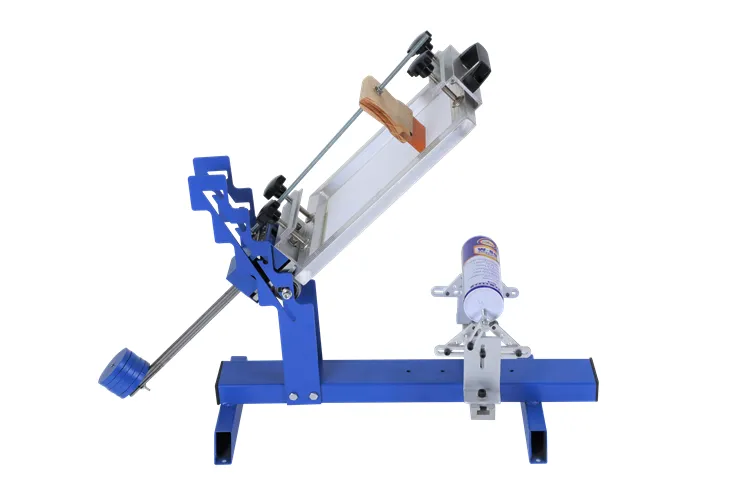
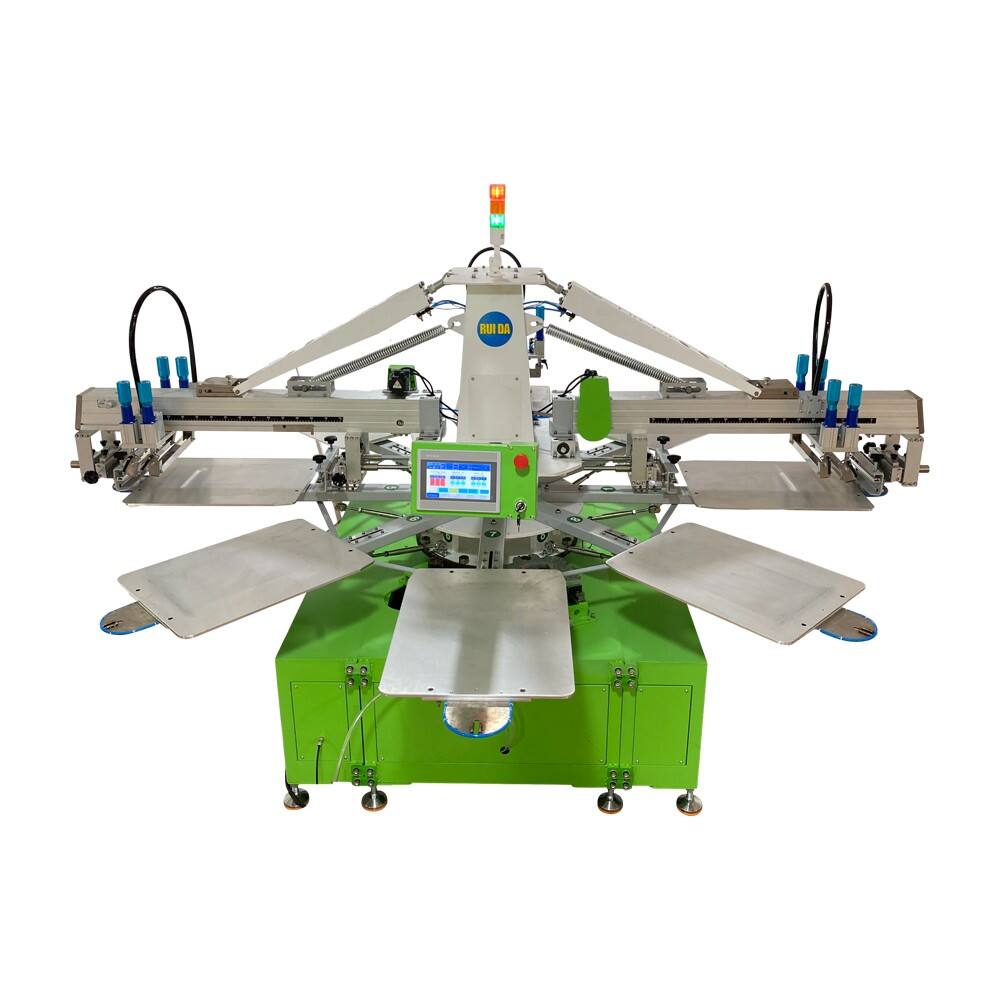
Screen printing has become one of the most versatile and widely used printing methods in modern manufacturing and design industries. A screen printer offers exceptional flexibility when it comes to material compatibility, making it an ideal choice for businesses looking to expand their printing capabilities across diverse substrates. Understanding which materials work best with screen printing technology is crucial for maximizing production efficiency and achieving optimal print quality results.
Textile Materials and Fabric Compatibility
Cotton and Natural Fiber Printing
Cotton remains the most popular substrate for screen printer applications due to its excellent ink absorption properties and natural fiber structure. The porous nature of cotton allows screen printing inks to penetrate deeply into the fabric fibers, creating durable and long-lasting prints that withstand multiple wash cycles. Natural cotton fabrics provide an ideal surface texture that promotes proper ink adhesion while maintaining the breathability and comfort that consumers expect from quality garments.
Organic cotton and cotton blends also perform exceptionally well with screen printer technology. The key advantage of printing on cotton lies in its ability to accept water-based and plastisol inks equally effectively. Water-based inks create a soft hand feel that integrates seamlessly with the fabric structure, while plastisol inks provide vibrant colors and excellent opacity for bold graphic designs.
Synthetic Fabric Applications
Polyester fabrics present unique opportunities and challenges for screen printer operations. While polyester requires specialized inks and curing processes, it offers superior color retention and durability compared to many natural fibers. Performance polyester fabrics used in athletic wear and technical garments benefit from screen printing applications that utilize sublimation-compatible inks or specially formulated polyester inks.
Nylon, spandex, and other synthetic materials can also be successfully printed using appropriate ink formulations and proper screen printer setup techniques. These materials often require lower mesh counts and modified squeegee pressures to prevent fabric damage while ensuring adequate ink transfer. The synthetic nature of these fabrics allows for unique finishing effects and enhanced performance characteristics in the final printed products.
Paper and Cardboard Substrates
Commercial Paper Printing Applications
Paper substrates offer excellent compatibility with screen printer systems, particularly for commercial printing applications such as posters, signage, and promotional materials. Coated papers provide smooth printing surfaces that allow for fine detail reproduction and consistent ink coverage across large print runs. The controlled porosity of quality printing papers ensures proper ink adhesion without excessive absorption that could compromise print clarity.
Uncoated papers and specialty papers also work effectively with screen printer technology when appropriate ink viscosities and mesh selections are utilized. Textured papers can create interesting visual effects when combined with screen printing techniques, allowing designers to incorporate both tactile and visual elements into their printed materials. The versatility of paper substrates makes them ideal for testing new designs and color combinations before moving to more expensive materials.
Cardboard and Packaging Materials
Corrugated cardboard and paperboard materials are commonly processed using industrial screen printer equipment for packaging and display applications. The thickness and structural integrity of cardboard require specific press adjustments and ink formulations to achieve consistent results. Screen printing on cardboard offers cost-effective solutions for short-run packaging projects and custom display materials where digital printing may not be economically viable.
Heavy-duty packaging materials benefit from the thick ink deposits that screen printer technology can achieve, providing excellent coverage and durability for shipping containers and retail packaging. The ability to print with specialty inks, including UV-resistant and food-safe formulations, makes cardboard screen printing suitable for diverse commercial applications.
Plastic and Polymer Materials
Rigid Plastic Substrates
Acrylic, polycarbonate, and other rigid plastic materials are frequently processed using specialized screen printer configurations designed for dimensional substrates. These materials offer excellent chemical resistance and dimensional stability, making them ideal for outdoor signage, industrial labels, and decorative applications. The smooth surface of most rigid plastics allows for exceptionally sharp print detail and vibrant color reproduction when proper surface preparation and ink selection protocols are followed.
ABS plastic, PVC, and polystyrene materials each present unique characteristics that affect screen printer performance and ink adhesion. Surface treatments such as flame polishing or chemical etching may be necessary to promote proper ink bonding on certain plastic substrates. The non-porous nature of plastic materials requires UV-curable or solvent-based inks that cure through chemical cross-linking rather than absorption.
Flexible Plastic Films
Polyethylene, polypropylene, and vinyl films can be successfully printed using appropriate screen printer setups and ink systems. These materials are commonly used for labels, decals, and flexible packaging applications where durability and moisture resistance are critical performance requirements. The challenge with flexible plastics lies in managing material tension and preventing stretching during the printing process.
Specialty plastic films, including metallized substrates and barrier films, offer unique aesthetic and functional properties when combined with screen printer technology. These advanced materials often require custom ink formulations and specialized curing processes to achieve optimal adhesion and performance characteristics.
Metal and Ceramic Surfaces
Aluminum and Steel Applications
Metal substrates, particularly aluminum and steel, are widely used in industrial screen printer applications for control panels, nameplates, and decorative hardware. The excellent dimensional stability and heat resistance of metal materials make them suitable for high-temperature curing processes that ensure maximum ink adhesion and durability. Proper surface preparation, including cleaning and etching, is essential for achieving reliable print quality on metal substrates.
Stainless steel and specialty alloys require specific ink formulations that can withstand harsh environmental conditions while maintaining color stability and adhesion integrity. Screen printer operations on metal substrates often involve multiple ink layers and protective clear coats to achieve the desired performance characteristics for demanding industrial applications.
Ceramic and Glass Materials
Ceramic substrates offer unique opportunities for screen printer applications in electronics, automotive, and decorative industries. The high-temperature stability of ceramic materials allows for specialized firing processes that create permanent, wear-resistant printed designs. Glass substrates, including both flat and curved surfaces, can be effectively printed using appropriate screen printer techniques and glass-compatible ink systems.
The smooth, non-porous nature of ceramic and glass materials requires careful attention to ink chemistry and curing parameters. UV-curable inks and ceramic-specific formulations provide excellent adhesion and durability for applications ranging from electronic components to architectural glass panels.
Wood and Natural Materials
Wood Surface Printing
Wood substrates present both opportunities and challenges for screen printer operations due to their natural porosity and surface texture variations. Properly prepared wood surfaces can accept screen printing inks effectively, creating unique aesthetic effects that combine the natural beauty of wood grain with printed graphics and text. Sealed and treated wood surfaces generally provide more consistent printing results compared to raw wood materials.
Different wood species exhibit varying absorption characteristics that affect ink penetration and final appearance. Hardwoods typically require different screen printer settings compared to softwoods due to density and grain structure differences. Water-based inks often work well on wood substrates, providing good penetration and natural-looking results that complement the organic material characteristics.
Alternative Natural Materials
Cork, bamboo, and other sustainable materials are increasingly used in screen printer applications as environmental consciousness grows in manufacturing industries. These materials often require specialized handling techniques and modified ink formulations to achieve optimal results. The unique surface textures and absorption properties of natural materials can create distinctive printed effects that are difficult to replicate on synthetic substrates.
Leather and other treated natural materials also work with screen printer technology when appropriate inks and techniques are employed. These applications often focus on decorative and branding purposes where the combination of natural material aesthetics and printed graphics creates premium product appearances.
FAQ
What factors determine ink adhesion quality on different materials?
Ink adhesion quality depends on several critical factors including surface energy, porosity, chemical compatibility, and proper surface preparation. Materials with higher surface energy typically accept inks more readily, while low-energy surfaces may require primers or surface treatments. The chemical compatibility between ink formulations and substrate materials directly affects long-term adhesion and durability performance.
How does mesh selection affect printing results on various substrates?
Mesh selection significantly impacts ink deposit thickness, print detail resolution, and overall print quality across different materials. Finer mesh counts work better for detailed designs on smooth substrates, while coarser meshes are preferred for heavy ink deposits on textured or absorbent materials. The relationship between mesh opening size and ink particle size must be carefully considered for optimal screen printer performance.
Can the same screen printer handle multiple material types effectively?
Modern screen printer equipment can handle multiple material types through adjustable settings for squeegee pressure, print speed, and off-contact distance. However, switching between significantly different materials may require screen changes, ink system modifications, and recalibration procedures. Many commercial operations dedicate specific screen printer units to particular material categories to maintain efficiency and consistency.
What safety considerations apply when printing on different materials?
Safety considerations vary significantly based on material types and ink systems used in screen printer operations. Synthetic materials may require ventilation systems to manage fumes during curing, while metal substrates might need specialized handling equipment due to weight and sharp edges. Always consult material safety data sheets and follow proper personal protective equipment protocols for both substrates and inks used in screen printer applications.