 EN
EN
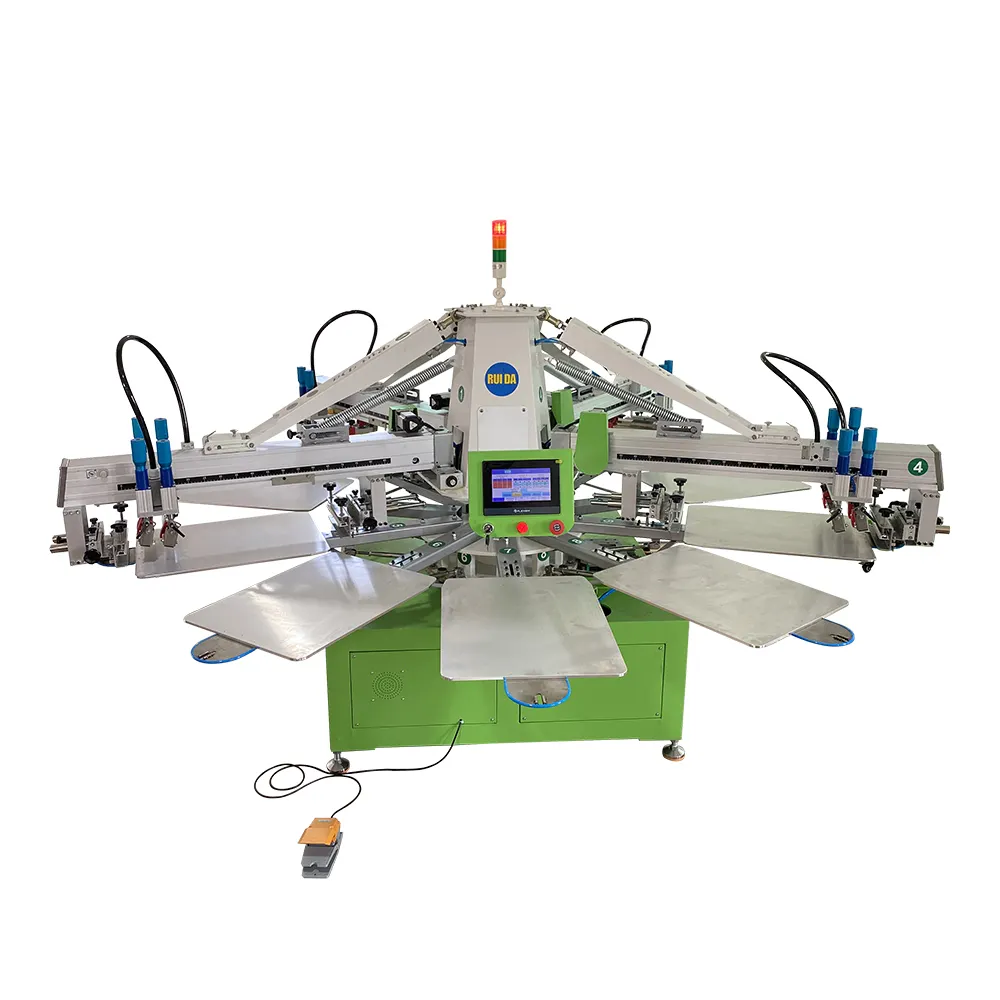
Screen printing has evolved significantly over the decades, transforming from a purely manual craft into a sophisticated manufacturing process that combines traditional techniques with advanced automation. Modern businesses face a critical decision when selecting screen printing machines for their operations, particularly when weighing the benefits of automated systems against manual alternatives. This comparison becomes increasingly important as production demands grow and quality standards rise across various industries including textiles, electronics, and promotional products.
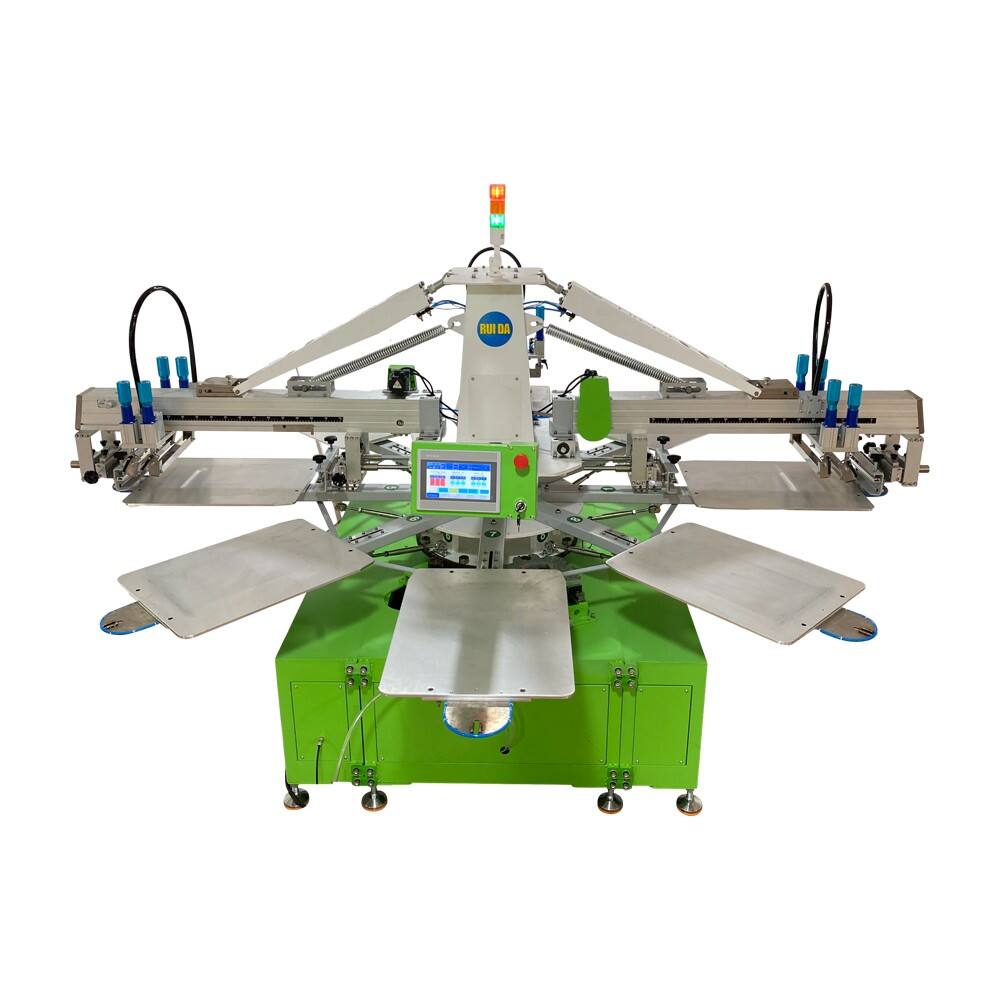
The choice between automatic and manual screen printing machines fundamentally impacts production efficiency, cost structure, and operational flexibility. Understanding these differences enables businesses to make informed investments that align with their specific requirements, production volumes, and long-term growth objectives. Each approach offers distinct advantages that cater to different market segments and operational philosophies.
Understanding Manual Screen Printing Systems
Core Components and Operation
Manual screen printing machines represent the traditional foundation of the industry, featuring simple yet effective mechanical designs that rely heavily on operator skill and experience. These systems typically consist of hinged screens, squeegee assemblies, and basic registration systems that allow operators to control every aspect of the printing process. The fundamental operation involves manually positioning substrates, applying ink through screens using hand-operated squeegees, and removing finished products from the printing station.
The mechanical simplicity of manual screen printing machines translates into lower initial investment costs and reduced maintenance requirements. Operators develop intimate familiarity with their equipment, enabling them to make real-time adjustments based on substrate variations, ink consistency, and environmental conditions. This hands-on approach often results in exceptional quality control for specialized applications where precision and attention to detail are paramount.
Operational Flexibility and Customization
Manual systems excel in situations requiring frequent job changes, custom color mixing, and specialized printing techniques. The ability to quickly switch between different substrates, adjust printing parameters, and accommodate unique client requirements makes manual screen printing machines particularly valuable for small batch production and custom orders. This flexibility extends to substrate compatibility, allowing operators to work with irregular shapes, varying thicknesses, and specialty materials that might challenge automated systems.
The learning curve associated with manual operation, while initially steep, ultimately provides operators with comprehensive understanding of screen printing fundamentals. This knowledge proves invaluable when troubleshooting issues, optimizing print quality, and developing innovative solutions for challenging applications. Many experienced operators consider manual systems essential for maintaining craft expertise and creative problem-solving skills.
Automatic Screen Printing Technology
Advanced Automation Features
Automatic screen printing machines incorporate sophisticated control systems, precise registration mechanisms, and programmable parameters that minimize human intervention while maximizing production consistency. These systems feature servo motors, digital positioning controls, and automated ink delivery systems that ensure repeatable results across thousands of impressions. The integration of sensors and feedback loops allows screen printing machines to self-monitor and adjust parameters in real-time.
Modern automatic systems often include features such as programmable flood stroke timing, adjustable squeegee pressure profiles, and automatic substrate loading and unloading mechanisms. These capabilities enable consistent production speeds that can exceed manual operations by factors of three to ten, depending on the specific application and setup requirements. The precision achievable through automated control systems often surpasses what skilled operators can maintain manually over extended production runs.
Production Efficiency and Scalability
The primary advantage of automatic screen printing machines lies in their ability to maintain consistent output rates while reducing labor requirements. Once properly configured, these systems can operate continuously with minimal supervision, allowing businesses to maximize throughput during peak demand periods. The reduced dependency on skilled labor also helps companies address workforce challenges and maintain production schedules despite personnel changes.
Scalability becomes a significant factor when considering automatic systems, as their efficiency improvements compound with increased production volumes. The ability to program and store job parameters enables quick changeovers between products while maintaining quality standards. This capability proves particularly valuable for businesses serving multiple market segments or managing large-scale production contracts that require consistent quality across thousands of pieces.
Cost Analysis and Investment Considerations
Initial Investment and Equipment Costs
The financial investment required for screen printing machines varies dramatically between manual and automatic systems, with automatic equipment typically requiring five to fifteen times the initial capital investment. Manual systems often represent accessible entry points for new businesses or companies testing market viability, while automatic systems require significant capital commitment that must be justified through projected production volumes and efficiency gains.
Beyond the initial purchase price, automatic screen printing machines often require additional investments in supporting infrastructure such as compressed air systems, specialized electrical requirements, and climate-controlled environments. The complexity of automatic systems also necessitates more comprehensive training programs and potentially specialized maintenance contracts that add to the total cost of ownership.
Operating Costs and Return on Investment
Labor costs represent the most significant operational difference between manual and automatic screen printing machines. Manual systems require skilled operators for the duration of production runs, while automatic systems can operate with minimal supervision once properly configured. This labor efficiency becomes increasingly valuable as production volumes increase and wage costs rise.
The return on investment calculation for automatic systems depends heavily on production volume, labor costs, and quality requirements. High-volume operations typically justify automatic equipment investments within one to three years, while lower-volume operations may require longer payback periods. The improved consistency and reduced waste rates achieved through automation often contribute significantly to overall profitability beyond simple labor cost savings.
Quality Control and Consistency
Print Quality Characteristics
Manual screen printing machines offer unparalleled flexibility for achieving unique effects and addressing quality issues through operator intervention. Skilled operators can adjust squeegee angle, pressure, and speed mid-run to compensate for substrate variations or environmental changes. This adaptability often results in superior quality for specialized applications requiring artistic interpretation or custom finishing techniques.
Automatic systems excel in maintaining consistent print characteristics across large production runs, eliminating the variability inherent in manual processes. The precise control of printing parameters ensures that each impression matches predetermined specifications, reducing waste and rework costs. This consistency proves particularly valuable for commercial applications where brand standards and color matching requirements are critical.
Quality Assurance and Process Control
The implementation of quality control measures differs significantly between manual and automatic screen printing machines. Manual systems rely heavily on operator skill and visual inspection, making quality outcomes somewhat dependent on individual expertise and attention levels. However, experienced operators can often identify and correct quality issues more quickly than automated systems.
Automatic systems can integrate sophisticated quality monitoring equipment such as vision systems, color measurement devices, and statistical process control capabilities. These features enable real-time quality assessment and automatic adjustments that maintain consistent output without human intervention. The documentation capabilities of automatic systems also provide detailed production records that support quality certification requirements.
Production Capacity and Workflow Integration
Throughput Capabilities
Production capacity represents one of the most significant differentiators between manual and automatic screen printing machines. Manual systems typically achieve 200-800 impressions per hour depending on the complexity of the design and operator skill level. This output rate suits small to medium production runs where setup time and flexibility outweigh raw throughput requirements.
Automatic systems can achieve production rates ranging from 1,000 to 5,000 impressions per hour, with some specialized systems exceeding these figures for simple applications. The consistent operation of automatic screen printing machines enables predictable scheduling and capacity planning that supports larger commercial contracts and tight delivery deadlines.
Integration with Manufacturing Workflows
Manual systems integrate easily into flexible manufacturing environments where job changes are frequent and production schedules vary significantly. The quick changeover capabilities and minimal setup requirements make manual screen printing machines ideal for custom manufacturing operations and prototype development.
Automatic systems work best in structured manufacturing environments with predictable production schedules and standardized processes. The integration of automatic equipment often drives improvements in upstream and downstream processes, creating more efficient overall workflows. Many businesses find that investing in automatic screen printing machines necessitates corresponding improvements in design preparation, substrate handling, and finishing operations.
Maintenance Requirements and Technical Support
Routine Maintenance and Serviceability
Manual screen printing machines require relatively simple maintenance routines that can typically be performed by operators or basic technical personnel. The mechanical simplicity of manual systems means that most maintenance issues can be addressed with common tools and basic mechanical skills. Parts replacement and repairs often involve straightforward procedures that minimize downtime and maintenance costs.
Automatic systems require more comprehensive maintenance programs that may involve specialized technical knowledge and diagnostic equipment. The complexity of servo drives, control systems, and precision mechanical components necessitates scheduled maintenance intervals and potentially specialized service contracts. However, many automatic screen printing machines include self-diagnostic capabilities that simplify troubleshooting and reduce unplanned downtime.
Technical Support and Training Requirements
The training requirements for manual systems focus primarily on developing operator skills for squeegee technique, registration procedures, and quality assessment. Most operators can achieve basic proficiency within several weeks, with expertise developing over months of practice. The availability of experienced manual operators in the marketplace generally provides good staffing flexibility.
Automatic screen printing machines require more extensive training programs covering equipment operation, programming, maintenance procedures, and troubleshooting techniques. The initial training investment is higher, but the reduced dependency on specialized printing skills can simplify long-term staffing requirements. Many manufacturers provide comprehensive training programs and ongoing technical support to ensure optimal equipment performance.
Application Suitability and Market Segments
Ideal Applications for Manual Systems
Manual screen printing machines excel in applications requiring artistic interpretation, specialty effects, and custom finishing techniques. Art reproduction, limited edition prints, and high-end promotional products often benefit from the flexibility and creative control that manual systems provide. The ability to make real-time adjustments and accommodate irregular substrates makes manual equipment valuable for specialized market segments.
Small to medium-sized businesses often find manual systems provide the optimal balance of capability and affordability. Job shops, custom apparel decorators, and prototype manufacturers typically benefit from the flexibility and lower capital requirements of manual screen printing machines. The ability to handle diverse projects without significant setup costs supports business models based on variety and customization.
Optimal Applications for Automatic Systems
Automatic systems prove most valuable for high-volume applications where consistency and efficiency are paramount. Electronics manufacturing, large-scale textile decoration, and industrial marking applications benefit from the precision and repeatability that automatic screen printing machines provide. The reduced labor requirements and improved consistency support business models focused on volume and standardization.
Companies serving commercial markets with strict quality requirements and tight delivery schedules often find automatic equipment essential for competitive positioning. The ability to maintain consistent quality standards across large production runs while minimizing labor costs enables pricing strategies that support market expansion and customer retention.
FAQ
What factors should determine whether to choose manual or automatic screen printing machines
The decision should be based primarily on production volume requirements, available capital, labor costs, and quality consistency needs. Manual systems work best for businesses producing fewer than 10,000 pieces monthly, requiring frequent job changes, or operating with limited capital budgets. Automatic systems become cost-effective for higher volumes, situations where consistent quality is critical, or when labor costs represent a significant portion of production expenses. Consider also the availability of skilled operators, maintenance capabilities, and long-term growth projections when making this decision.
How do maintenance costs compare between manual and automatic screen printing systems
Manual screen printing machines typically have lower maintenance costs due to their mechanical simplicity, with annual maintenance expenses often ranging from 2-5% of equipment cost. Automatic systems generally require 5-10% of equipment cost annually for maintenance, including scheduled service, parts replacement, and potential service contracts. However, the higher productivity of automatic systems often justifies these increased maintenance expenses through improved efficiency and reduced labor costs. The complexity of automatic systems may require specialized technical support, while manual systems can often be maintained by in-house personnel.
Can businesses successfully transition from manual to automatic screen printing equipment
Yes, many businesses successfully transition from manual to automatic systems as their production volumes and customer requirements evolve. The key to successful transition includes thorough planning for operator training, workflow modifications, and supporting infrastructure requirements. Businesses should consider maintaining some manual capability during the transition period to handle specialty jobs and provide backup capacity. The transition typically requires 3-6 months for full optimization, including staff training, process refinement, and integration with existing operations.
What production volume typically justifies investing in automatic screen printing machines
The break-even point for automatic screen printing machines typically occurs around 15,000-25,000 impressions per month, depending on labor costs, product complexity, and equipment pricing. Higher labor costs and simpler products favor automatic systems at lower volumes, while complex multi-color jobs may require higher volumes to justify automation. The decision should also consider factors such as quality consistency requirements, delivery schedule pressures, and long-term growth projections. Businesses should perform detailed cost analysis including all operational factors rather than relying solely on volume thresholds.
Table of Contents
- Understanding Manual Screen Printing Systems
- Automatic Screen Printing Technology
- Cost Analysis and Investment Considerations
- Quality Control and Consistency
- Production Capacity and Workflow Integration
- Maintenance Requirements and Technical Support
- Application Suitability and Market Segments
-
FAQ
- What factors should determine whether to choose manual or automatic screen printing machines
- How do maintenance costs compare between manual and automatic screen printing systems
- Can businesses successfully transition from manual to automatic screen printing equipment
- What production volume typically justifies investing in automatic screen printing machines