 EN
EN
The textile printing industry has witnessed remarkable growth in recent years, driven by increasing demand for custom apparel and promotional products. At the heart of this expansion lies the automatic silk screen printer, a sophisticated machine that has revolutionized how businesses approach high-volume printing operations. These advanced systems combine precision engineering with automated functionality to deliver consistent, professional results across thousands of impressions. Understanding the capabilities and features of modern screen printer technology is essential for businesses looking to scale their operations efficiently while maintaining exceptional print quality standards.
Understanding Automatic Screen Printing Technology
Core Components and Mechanisms
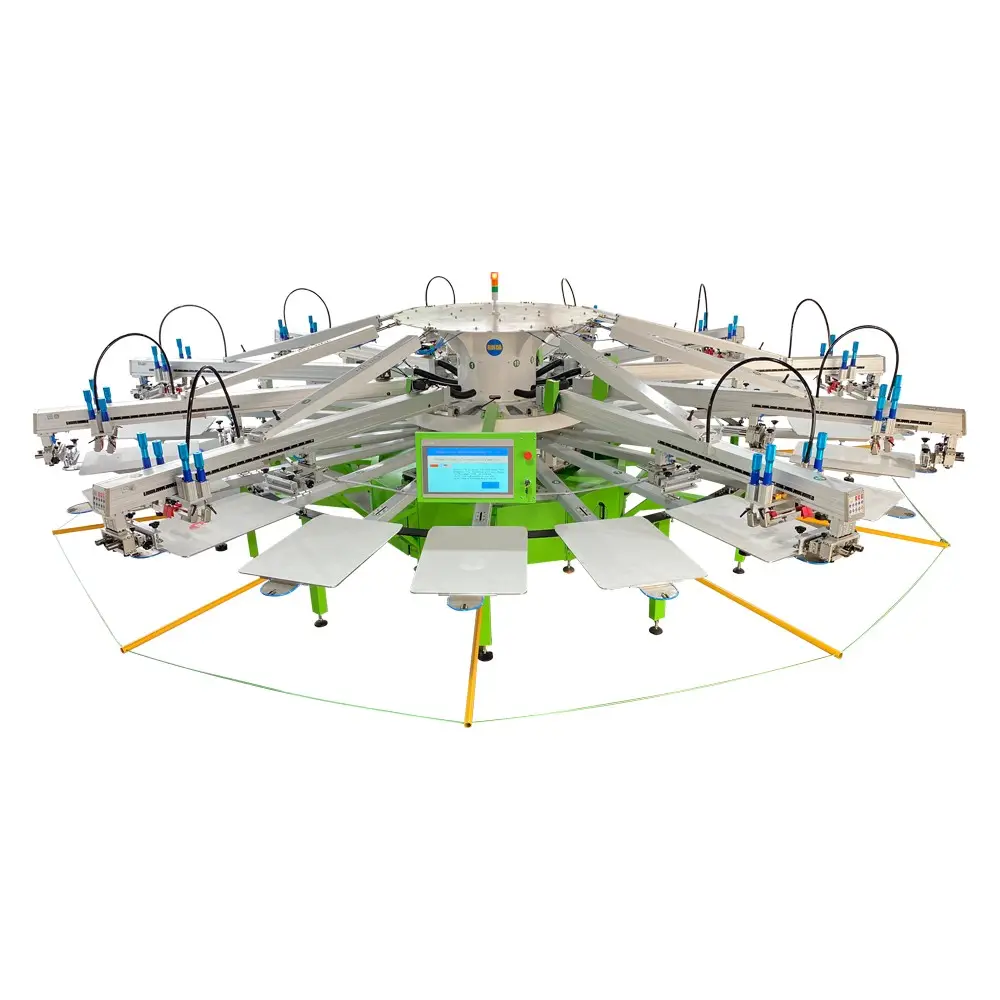
Modern automatic screen printer systems integrate multiple sophisticated components working in perfect synchronization. The primary elements include precision registration systems, pneumatic or servo-driven squeegee assemblies, and computerized control interfaces that manage every aspect of the printing process. These machines typically feature multiple print stations arranged in a circular or linear configuration, allowing for simultaneous printing of different colors or designs. The automated substrate feeding mechanism ensures consistent placement of garments, while advanced curing systems guarantee proper ink adhesion and durability.
The registration system represents one of the most critical aspects of any professional screen printer. High-end models employ laser-guided alignment technology or camera-based vision systems to ensure perfect color registration across multi-color designs. This precision eliminates the common issues associated with manual alignment, such as color bleeding or misaligned graphics. Additionally, modern machines incorporate sophisticated ink management systems that maintain consistent ink viscosity and flow rates throughout extended production runs.
Automation Benefits and Efficiency Gains
The transition from manual to automatic screen printer operation delivers substantial improvements in production efficiency and quality consistency. Automated systems can achieve production speeds of 800 to 1200 impressions per hour, depending on the complexity of the design and number of colors involved. This represents a significant increase compared to manual operations, which typically max out at 200-300 impressions hourly. The consistency of automated printing also reduces waste and rework, as each impression maintains identical ink coverage and placement accuracy.
Labor cost reduction represents another significant advantage of automatic screen printer technology. While manual operations require skilled operators for each print head, automated systems can be managed by a single technician overseeing multiple machines simultaneously. This efficiency extends beyond direct labor savings to include reduced training requirements, lower worker fatigue, and decreased likelihood of human error affecting production quality. The ability to maintain consistent production rates regardless of operator skill level makes automated systems particularly valuable for businesses experiencing rapid growth.
Key Features to Consider When Selecting Equipment
Production Capacity and Speed Requirements
Determining the appropriate production capacity for your screen printer investment requires careful analysis of current demand patterns and future growth projections. Entry-level automatic systems typically handle 400-600 impressions per hour, making them suitable for small to medium-sized operations or businesses just transitioning from manual processes. Mid-range models offer speeds of 600-1000 impressions hourly, while industrial-grade systems can exceed 1200 impressions per hour when properly configured and maintained.
The number of print stations directly impacts both production speed and design flexibility. A standard screen printer configuration might feature 6-8 stations, allowing for 4-6 color printing with dedicated flash cure and cooling stations. However, larger operations often benefit from 10-14 station systems that accommodate complex multi-color designs while maintaining high production speeds. Consider that additional stations increase both initial investment and ongoing maintenance requirements, making it essential to balance capacity needs with budget constraints.
Quality Control and Consistency Features
Advanced quality control systems distinguish professional-grade screen printer equipment from basic automated models. Look for machines incorporating real-time monitoring systems that track ink coverage, registration accuracy, and cure temperatures throughout production runs. These systems can automatically adjust parameters to maintain consistency or alert operators to potential issues before they affect product quality. Some high-end models feature integrated vision systems that inspect each printed piece and automatically reject items failing to meet predefined quality standards.
Temperature management represents another critical quality factor in screen printer operations. Proper ink curing requires precise temperature control, typically ranging from 280-320 degrees Fahrenheit depending on ink type and substrate material. Advanced systems incorporate multiple temperature zones with independent control, allowing operators to optimize curing profiles for different ink formulations or garment types. Additionally, cooling stations help prevent heat-related distortion of synthetic fabrics while ensuring proper ink adhesion.
Popular Screen Printer Models and Specifications
Industrial-Grade Multi-Station Systems
The professional market offers numerous high-performance screen printer options designed for demanding production environments. Leading manufacturers have developed systems featuring 8-14 print stations with servo-driven mechanisms that ensure precise registration and consistent pressure application. These machines typically include programmable logic controllers that store multiple job parameters, allowing quick changeovers between different designs or substrate types. Advanced models incorporate touch-screen interfaces that simplify operation while providing detailed production monitoring and diagnostic capabilities.
One standout example is the screen printer system that combines robust construction with sophisticated automation features. This type of equipment typically offers production speeds exceeding 1000 impressions per hour while maintaining registration accuracy within 0.1mm tolerances. The integration of pneumatic lifting systems and automated substrate loading mechanisms reduces operator fatigue while ensuring consistent print quality across extended production runs.
Compact Systems for Growing Businesses
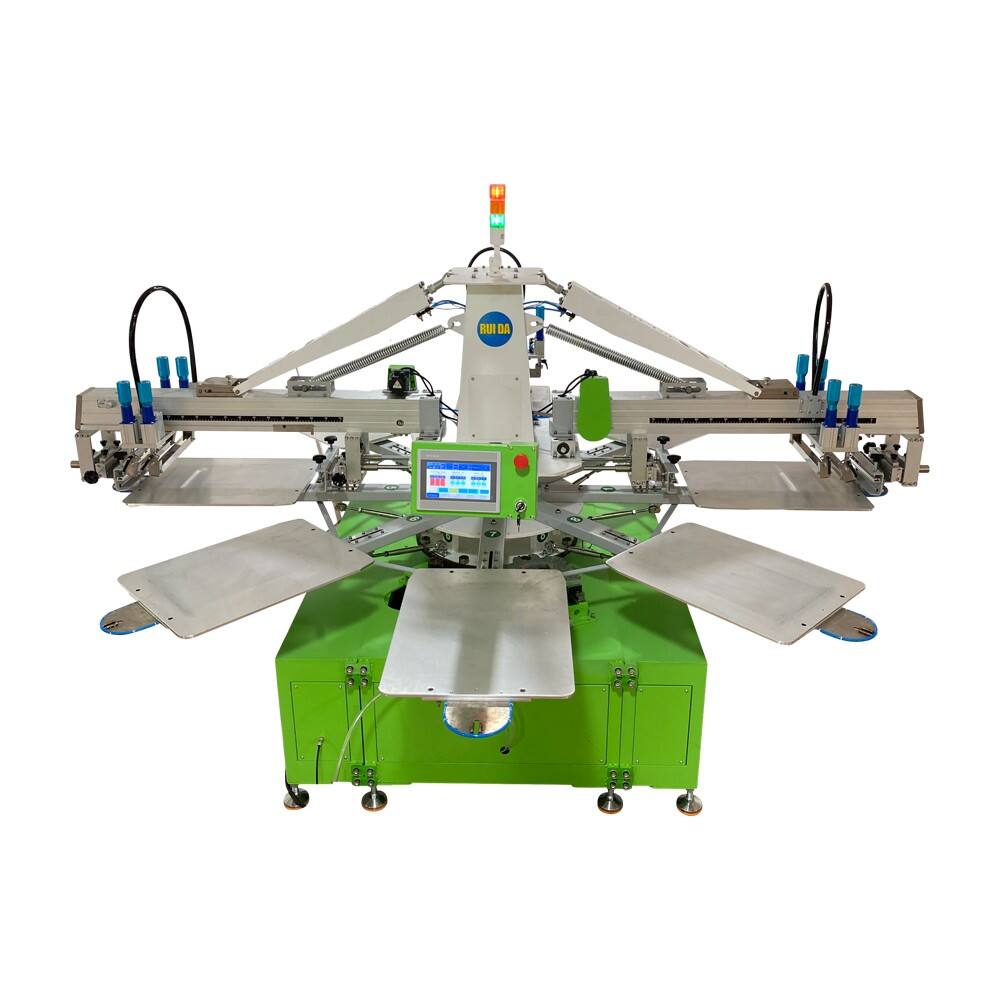
Smaller operations or businesses experiencing rapid growth often benefit from compact automatic screen printer systems that provide professional results without requiring extensive floor space or infrastructure modifications. These machines typically feature 4-8 print stations and can achieve production speeds of 400-800 impressions per hour, making them ideal for custom apparel businesses, promotional product companies, or in-house printing operations. Despite their smaller footprint, modern compact systems incorporate many of the same advanced features found in larger industrial models.
The key advantage of compact screen printer systems lies in their flexibility and ease of installation. Most models can be operational within a standard commercial space without requiring specialized electrical connections or ventilation modifications. This accessibility makes them particularly attractive for businesses testing automatic printing technology or operating in leased facilities where permanent modifications may not be feasible. Additionally, the lower initial investment allows businesses to enter the automatic printing market while maintaining capital reserves for growth and expansion.
Setup and Operational Considerations
Installation Requirements and Infrastructure
Proper installation of an automatic screen printer requires careful attention to electrical, pneumatic, and environmental requirements. Most systems require three-phase electrical service with appropriate voltage and amperage ratings to support multiple motors, heating elements, and control systems. Compressed air systems must provide clean, dry air at sufficient pressure and volume to operate pneumatic cylinders and actuators throughout production cycles. Inadequate air supply can result in inconsistent operation and premature component wear.
Environmental considerations play a crucial role in screen printer performance and longevity. Temperature stability within the production area helps maintain consistent ink properties and prevents thermal expansion issues that could affect registration accuracy. Adequate ventilation removes ink vapors and heat generated during curing processes, creating a safer working environment while preventing contamination of printed materials. Additionally, proper lighting enables operators to effectively monitor print quality and identify potential issues before they impact production.
Maintenance and Troubleshooting Protocols
Establishing comprehensive maintenance protocols ensures optimal screen printer performance and extends equipment lifespan significantly. Daily maintenance tasks include cleaning print heads, checking ink levels, and verifying registration accuracy across all print stations. Weekly procedures involve lubricating moving components, inspecting pneumatic connections, and calibrating temperature control systems. Monthly maintenance typically includes replacing wear components such as squeegee blades, checking belt tension, and performing comprehensive system diagnostics.
Effective troubleshooting requires understanding common screen printer issues and their underlying causes. Registration problems often stem from worn mechanical components or improper setup procedures, while inconsistent ink coverage may indicate squeegee wear or improper pressure settings. Modern systems incorporate diagnostic capabilities that help identify specific issues and guide operators through resolution procedures. Maintaining detailed maintenance logs and production records enables proactive identification of developing problems before they result in significant downtime or quality issues.
Cost Analysis and Return on Investment
Initial Investment and Financing Options
The financial commitment required for professional screen printer equipment varies significantly based on configuration, automation level, and manufacturer specifications. Entry-level automatic systems typically range from $15,000 to $30,000, while mid-range models with advanced features cost $30,000 to $75,000. Industrial-grade systems with extensive automation and high production capabilities can exceed $100,000, particularly when including auxiliary equipment such as dryers, pre-treatment systems, and quality control devices.
Many manufacturers and distributors offer flexible financing options to help businesses manage the significant capital requirements associated with screen printer purchases. Lease-to-own programs allow businesses to spread costs over several years while maintaining cash flow for operational expenses and growth initiatives. Additionally, some suppliers provide trade-in programs that reduce initial investment when upgrading from manual or older automatic systems. Understanding the total cost of ownership, including installation, training, and ongoing maintenance, ensures accurate budget planning and realistic return on investment calculations.
Productivity Gains and Profitability Analysis
The productivity improvements achieved through automatic screen printer implementation typically generate substantial returns on investment within 12-24 months for most operations. Labor cost reductions alone often justify the equipment investment, as automated systems can replace multiple manual operators while delivering superior consistency and speed. Additionally, the ability to accept larger orders and meet tighter deadlines opens new market opportunities that would be impossible with manual production methods.
Quality improvements associated with automated screen printer operation also contribute to profitability through reduced waste, lower rework costs, and enhanced customer satisfaction. Consistent print quality enables businesses to command premium pricing while building strong customer relationships based on reliability and professional results. The scalability of automated systems allows businesses to grow production capacity without proportional increases in labor costs, creating opportunities for improved profit margins as volume increases.
FAQ
What production speed can I expect from an automatic screen printer
Automatic screen printer systems typically achieve production speeds ranging from 400 to 1200 impressions per hour, depending on the specific model, number of colors, and complexity of the design. Entry-level systems generally operate at 400-600 impressions hourly, while industrial-grade equipment can exceed 1000 impressions per hour. Factors affecting speed include cure time requirements, substrate handling complexity, and the number of print stations configured for production versus curing operations.
How much space is required for installing an automatic screen printer
Space requirements for automatic screen printer installation vary based on machine size and configuration, but most systems require a minimum of 200-400 square feet of floor space. This includes clearance for operator access, maintenance activities, and substrate storage. Additionally, adequate ceiling height of at least 10-12 feet accommodates curing equipment and ventilation systems. Consider that larger multi-station systems may require up to 800 square feet when including auxiliary equipment and workflow areas.
What type of maintenance is required for automatic screen printing equipment
Regular maintenance for screen printer systems includes daily cleaning of print heads and squeegees, weekly lubrication of moving parts, and monthly replacement of wear components such as belts and seals. Most manufacturers recommend professional service visits every 6-12 months for comprehensive system inspection and calibration. Proper maintenance protocols typically extend equipment lifespan to 10-15 years while maintaining optimal print quality and production efficiency throughout the machine's operational life.
Can automatic screen printers handle different types of garments and substrates
Modern automatic screen printer systems accommodate a wide variety of substrates including cotton, polyester, blended fabrics, and specialty materials such as canvas or vinyl. Most machines feature adjustable platen heights and pressure settings to accommodate different garment thicknesses and textures. However, certain substrates may require specific ink formulations or modified curing parameters to achieve optimal results. Advanced systems often include programmable settings that store optimal parameters for different substrate types, enabling quick changeovers between jobs.