 EN
EN
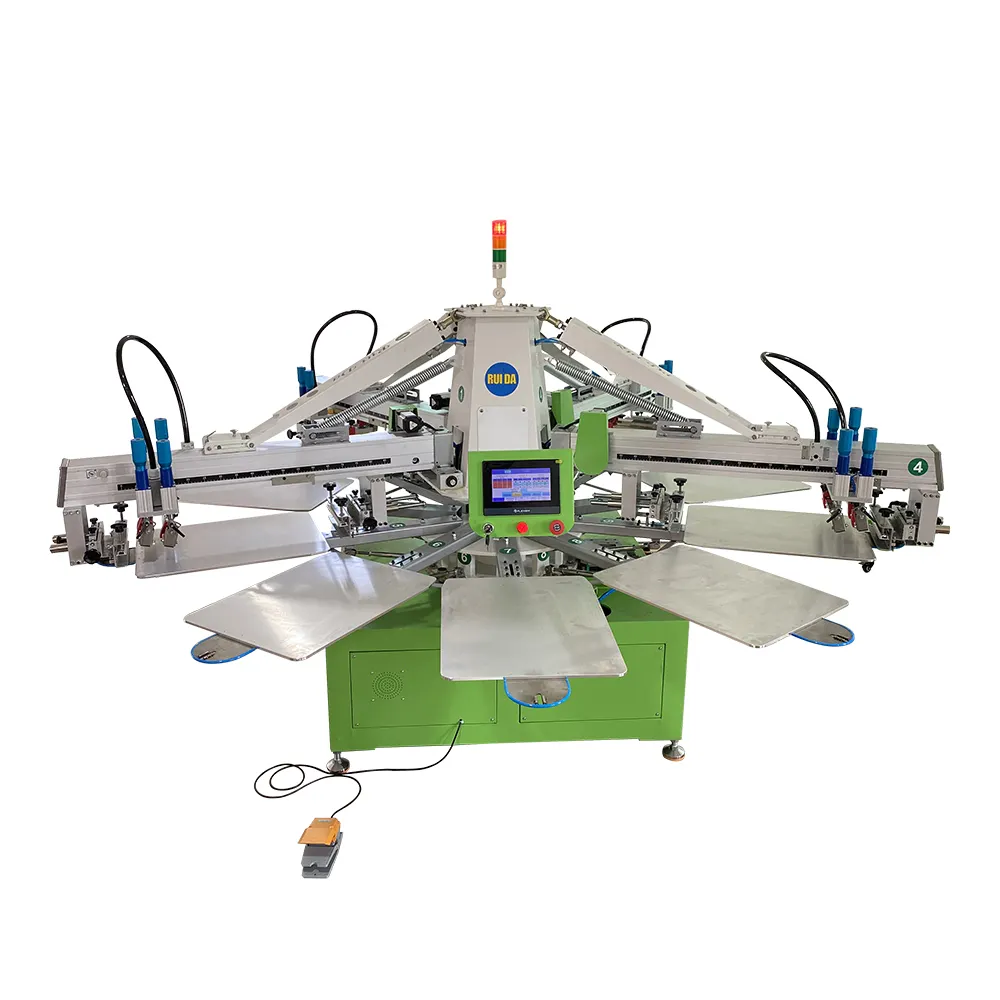
The textile printing industry has witnessed remarkable technological advancement with the introduction of sophisticated equipment that streamlines production processes. An automatic silk screen printing machine represents the pinnacle of modern printing technology, combining precision engineering with efficient workflow management to deliver consistent, high-quality results across various substrates. These innovative systems have revolutionized how businesses approach screen printing, offering unprecedented levels of automation that significantly reduce manual labor while maintaining exceptional print quality. Understanding the intricate mechanisms behind these machines provides valuable insights into their operational excellence and helps manufacturers make informed decisions about integrating this technology into their production lines.
Core Components and Mechanical Structure
Frame Assembly and Support System
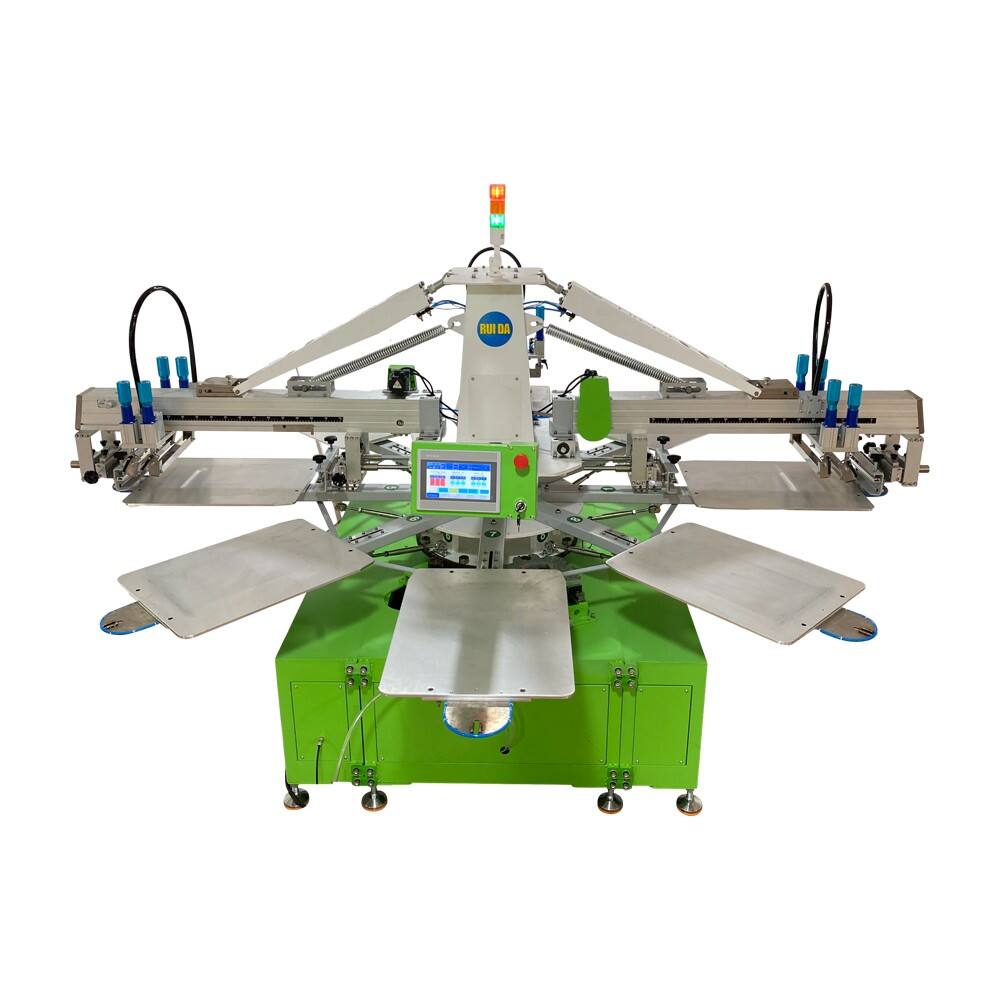
The foundation of any automatic silk screen printing machine lies in its robust frame assembly, which provides structural integrity and precise alignment throughout the printing process. Modern machines feature heavy-duty steel construction with reinforced joints and mounting points that ensure minimal vibration during high-speed operations. The frame incorporates multiple adjustment mechanisms that allow operators to fine-tune positioning parameters for optimal print registration across different substrate sizes.
Advanced frame designs incorporate modular components that facilitate easy maintenance and component replacement without disrupting the entire production line. The support system includes precision-machined guide rails and bearing assemblies that ensure smooth movement of all mechanical components throughout extended operation cycles. These structural elements work in harmony to maintain consistent print quality even under demanding production schedules.
Screen Printing Stations and Carousel Design
The carousel system represents the heart of multi-color automatic silk screen printing machine operations, featuring multiple printing stations arranged in a circular configuration. Each station houses individual screens, squeegees, and flood bars that work together to apply specific colors in predetermined sequences. The carousel rotates with computer-controlled precision, ensuring exact positioning and timing for each printing station activation.
Modern carousel designs accommodate varying numbers of printing stations, typically ranging from four to sixteen positions, allowing for complex multi-color designs and specialty applications. The rotation mechanism utilizes servo motors and precision indexing systems that guarantee accurate positioning within thousandths of an inch. This level of precision ensures perfect color registration across all layers of the final printed product.
Automated Control Systems and Programming
Digital Interface and Operator Controls
Contemporary automatic silk screen printing machine models feature sophisticated digital control panels that provide intuitive access to all operational parameters. These touch-screen interfaces allow operators to program complex printing sequences, adjust timing intervals, and monitor real-time production statistics. The user-friendly design reduces training requirements while providing comprehensive control over every aspect of the printing process.
Advanced control systems incorporate memory storage capabilities that enable operators to save and recall specific job settings for recurring production runs. This functionality significantly reduces setup time and ensures consistent results across multiple production batches. The digital interface also provides diagnostic capabilities that help identify potential issues before they impact production quality or efficiency.
Sensor Technology and Quality Monitoring
Modern machines integrate multiple sensor technologies that continuously monitor critical aspects of the printing process, including substrate positioning, ink coverage, and registration accuracy. These sensors provide real-time feedback to the control system, enabling automatic adjustments that maintain optimal print quality throughout extended production runs. Photo-electric sensors detect substrate presence and positioning, ensuring precise alignment before each print cycle.
Quality monitoring systems utilize advanced vision technology to inspect printed products for defects, color consistency, and registration accuracy. These systems can automatically reject defective items and alert operators to potential issues that require attention. The integration of artificial intelligence algorithms enables predictive maintenance scheduling based on operational data and component wear patterns.
Ink Delivery and Application Systems
Squeegee Mechanisms and Pressure Control
The squeegee system in an automatic silk screen printing machine plays a crucial role in determining print quality and consistency. These systems feature pneumatically or servo-controlled squeegees that apply precise pressure and maintain optimal angles throughout the printing stroke. Variable pressure controls allow operators to adjust squeegee force based on ink viscosity, screen mesh count, and substrate characteristics.
Advanced squeegee mechanisms incorporate automatic angle adjustment capabilities that optimize ink transfer efficiency while minimizing screen wear. The system includes multiple squeegee positions that enable quick changeovers between different ink types or printing requirements. Automated cleaning systems ensure squeegee blades remain free from dried ink and contamination that could affect print quality.
Flood Bar Operation and Ink Distribution
Flood bars work in conjunction with squeegees to ensure proper ink distribution across the screen surface before each print cycle. These components feature adjustable pressure settings and positioning controls that optimize ink coverage while preventing over-flooding that could lead to ink bleeding or poor edge definition. The automated flood bar system maintains consistent ink distribution patterns throughout extended production runs.
Modern flood bar designs incorporate easy-change mechanisms that facilitate quick setup for different ink types and colors. The system includes automated cleaning cycles that prevent cross-contamination between colors and maintain optimal ink flow characteristics. Precision positioning controls ensure flood bars maintain proper clearance from screen surfaces to prevent damage during high-speed operations.
Substrate Handling and Registration Systems
Automatic Loading and Positioning
Substrate handling represents a critical aspect of automatic silk screen printing machine operations, with modern systems featuring sophisticated loading mechanisms that ensure precise positioning and consistent registration. Automated loading systems utilize pneumatic or servo-driven mechanisms to position substrates with exceptional accuracy, eliminating variations that could affect print quality or registration accuracy.
Advanced positioning systems incorporate multiple reference points and alignment guides that accommodate various substrate sizes and shapes without requiring extensive manual adjustments. The loading mechanism includes gentle clamping systems that secure substrates without causing distortion or damage, particularly important when working with delicate materials or pre-printed items requiring precise overlay registration.
Registration Pin Systems and Alignment Technology
Registration accuracy represents a fundamental requirement for multi-color printing applications, with modern machines featuring precision pin systems that ensure perfect alignment across all color stations. These systems utilize micro-adjustable registration pins that can be positioned with exceptional accuracy to accommodate various substrate configurations and design requirements.
Advanced registration systems incorporate vision-based alignment technology that automatically detects and corrects positioning errors in real-time. This technology significantly reduces setup time while ensuring consistent registration accuracy throughout production runs. The system includes memory functions that store registration settings for recurring jobs, enabling rapid changeovers between different products or designs.
Production Efficiency and Automation Benefits
Speed Optimization and Cycle Time Reduction
Modern automatic silk screen printing machine designs prioritize production efficiency through optimized cycle times and streamlined operational sequences. These systems can achieve print speeds significantly higher than manual operations while maintaining superior quality standards. Advanced timing controls coordinate all mechanical movements to minimize idle time between print cycles and maximize throughput.
Speed optimization features include variable cycle programming that allows operators to adjust printing speeds based on specific job requirements, substrate characteristics, and quality demands. The system automatically calculates optimal timing sequences for each production run, ensuring maximum efficiency without compromising print quality or equipment reliability.
Labor Reduction and Operator Efficiency
Automation technology significantly reduces labor requirements while enabling operators to focus on quality control and production management rather than repetitive manual tasks. A single operator can typically manage multiple automatic silk screen printing machine units simultaneously, dramatically improving overall production efficiency and reducing per-unit labor costs.
The automated nature of these systems reduces operator fatigue and eliminates many potential sources of human error that can affect print quality or production consistency. Training requirements are minimized through intuitive control interfaces and automated setup procedures that guide operators through complex job preparation sequences.
Maintenance and Operational Considerations
Preventive Maintenance Protocols
Proper maintenance represents a critical factor in ensuring optimal performance and longevity of automatic silk screen printing machine systems. Modern machines incorporate built-in diagnostic capabilities that monitor component wear and operational parameters, providing early warning of potential maintenance requirements. Preventive maintenance schedules are typically integrated into the control system, alerting operators when specific service intervals are due.
Maintenance protocols include regular lubrication of mechanical components, cleaning of ink delivery systems, and calibration of positioning and registration mechanisms. Advanced machines feature automated lubrication systems that ensure consistent maintenance of critical moving parts without requiring manual intervention. These systems significantly reduce maintenance-related downtime while extending component life.
Troubleshooting and Diagnostic Capabilities
Contemporary automatic silk screen printing machine models include comprehensive diagnostic systems that facilitate rapid identification and resolution of operational issues. These systems provide detailed error codes and diagnostic information that help operators quickly identify the source of problems and implement appropriate solutions.
Advanced diagnostic capabilities include real-time monitoring of critical operational parameters such as pressure settings, timing sequences, and positioning accuracy. The system maintains historical data logs that can be analyzed to identify recurring issues or trends that might indicate developing problems. Remote diagnostic capabilities enable technical support teams to assess machine status and provide guidance without requiring on-site visits.
FAQ
What types of substrates can be processed using automatic silk screen printing machines
Automatic silk screen printing machines are designed to handle a wide variety of substrates including textiles, plastics, metals, ceramics, and paper products. The versatility of these systems allows for printing on flat surfaces, cylindrical objects, and irregularly shaped items depending on the specific machine configuration. Substrate thickness typically ranges from thin films to materials several inches thick, with adjustable parameters to accommodate different material characteristics and printing requirements.
How does registration accuracy compare between automatic and manual screen printing processes
Registration accuracy in automatic silk screen printing machine operations significantly exceeds manual printing capabilities, with typical tolerances of plus or minus 0.001 inches compared to manual tolerances of plus or minus 0.010 inches or greater. Automated systems maintain consistent registration throughout entire production runs, while manual processes can experience variation due to operator fatigue and human error. Advanced vision systems and servo-controlled positioning mechanisms ensure precision that would be impossible to achieve through manual methods alone.
What production speeds can be achieved with modern automatic silk screen printing equipment
Production speeds for automatic silk screen printing machine systems vary based on factors such as design complexity, number of colors, substrate type, and quality requirements. Typical speeds range from 200 to 1200 pieces per hour for multi-color applications, with single-color jobs achieving even higher throughput rates. Advanced machines can complete full print cycles in as little as 3-5 seconds per piece, representing significant productivity improvements over manual processes that typically require 30-60 seconds per piece.
What are the key considerations for selecting an appropriate automatic silk screen printing machine
Key selection criteria include production volume requirements, maximum substrate size, number of colors needed, registration accuracy demands, and available floor space. Consider the machine's compatibility with existing workflow processes, maintenance requirements, and operator training needs. Evaluate the control system capabilities, upgrade potential, and manufacturer support services to ensure long-term operational success and return on investment.
Table of Contents
- Core Components and Mechanical Structure
- Automated Control Systems and Programming
- Ink Delivery and Application Systems
- Substrate Handling and Registration Systems
- Production Efficiency and Automation Benefits
- Maintenance and Operational Considerations
-
FAQ
- What types of substrates can be processed using automatic silk screen printing machines
- How does registration accuracy compare between automatic and manual screen printing processes
- What production speeds can be achieved with modern automatic silk screen printing equipment
- What are the key considerations for selecting an appropriate automatic silk screen printing machine