 EN
EN
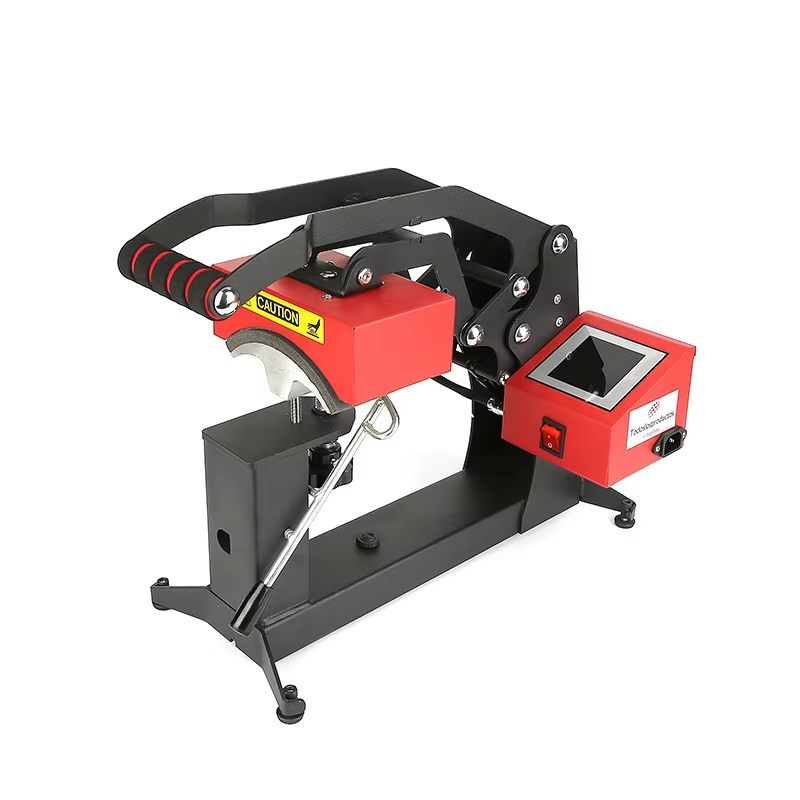
A heat press machine serves as a versatile gateway to product customization by combining controlled heat, pressure, and time to transfer designs onto various materials and surfaces. This thermal transfer technology enables businesses and creators to customize everything from textiles and ceramics to metal and polymer substrates, transforming blank products into personalized merchandise with professional-quality results.
The customization potential of a heat press machine extends far beyond simple textile decoration, opening opportunities for entrepreneurs, small businesses, and large-scale manufacturers to diversify their product offerings. By understanding how heat press technology unlocks different customization pathways, businesses can strategically expand into new market segments while maximizing their equipment investment and operational efficiency.
Thermal Transfer Technology Foundation
Heat and Pressure Mechanics
The fundamental operation of a heat press machine relies on applying precise temperature and pressure combinations to activate transfer materials and bond them permanently to substrates. When heat reaches optimal temperatures between 300-400°F, vinyl adhesives become thermally activated, while sublimation inks convert from solid to gas state, penetrating substrate fibers at the molecular level.
Pressure distribution across the heated platen ensures uniform contact between transfer material and substrate surface, eliminating air gaps that could compromise adhesion quality. Modern heat press machine designs incorporate even-pressure systems that maintain consistent force across the entire pressing surface, regardless of substrate thickness variations or surface irregularities.
Temperature control precision enables operators to match specific material requirements, with digital displays providing real-time monitoring and automatic temperature regulation. This thermal accuracy becomes critical when working with heat-sensitive substrates or when processing multiple transfer types that require different activation temperatures.
Transfer Material Compatibility
A heat press machine accommodates diverse transfer materials, each designed for specific substrate types and application requirements. Heat transfer vinyl works effectively on cotton, polyester, and cotton-poly blends, offering durability and wash resistance for textile applications. Sublimation papers enable full-color photo-quality transfers onto polyester-coated surfaces, ceramic items, and specially treated metals.
Adhesive transfer films provide precise graphic reproduction for signage and decal applications, while transfer tapes enable multi-layer designs with complex color combinations. Specialty transfer materials include reflective films for safety apparel, glitter vinyls for decorative applications, and heat-activated foils for premium finishing effects.
Material compatibility extends to thickness accommodations, with adjustable pressure settings allowing operators to work with materials ranging from thin films to thick textile substrates. This versatility enables a single heat press machine to handle multiple transfer material types without requiring specialized equipment for each application.
Product Category Diversification
Textile and Apparel Applications
Textile customization represents the most recognized application for heat press machine operations, encompassing t-shirts, hoodies, athletic wear, and fashion garments. Cotton fabrics accept heat transfer vinyl applications at temperatures around 320°F, creating permanent bonds that withstand regular washing cycles and maintain color vibrancy over extended use periods.
Polyester garments enable sublimation printing applications, where designs penetrate fabric fibers to create photo-realistic images with unlimited color options. Athletic wear customization benefits from sublimation's moisture-wicking compatibility, ensuring transferred designs don't compromise fabric performance characteristics or comfort properties.
Specialty textile applications include canvas bags, denim jackets, leather accessories, and technical fabrics used in outdoor gear. Each material category requires specific temperature and pressure adjustments, with heat press machine versatility enabling operators to customize diverse textile products within a single production workflow.
Hard Surface Product Customization
Beyond textile applications, a heat press machine enables customization of rigid substrates including ceramic mugs, metal water bottles, wooden plaques, and polymer phone cases. Sublimation transfers onto polyester-coated ceramics create dishwasher-safe custom mugs with photographic image quality and permanent color saturation.
Metal substrate customization utilizes specially coated aluminum blanks that accept sublimation inks, producing durable signage, awards, and decorative items resistant to fading and weathering. Polymer substrates including phone cases, keychains, and promotional items accommodate both vinyl transfers and sublimation applications depending on surface coating properties.
Wood customization involves heat-activated transfer papers that bond with sealed wood surfaces, enabling personalized cutting boards, picture frames, and decorative plaques. These applications expand heat press machine utility beyond traditional textile markets into home décor, promotional products, and artisan craft segments.
Business Model Expansion Opportunities
Custom On-Demand Production
Heat press machine capabilities enable businesses to operate custom on-demand production models, eliminating inventory requirements while offering unlimited design possibilities. Customers can submit personal designs, photographs, or text specifications for immediate production, with completion times typically ranging from minutes to hours depending on order complexity.
On-demand customization reduces business risk by eliminating pre-production inventory investments and enables rapid response to market trends or seasonal demand fluctuations. Small businesses can compete effectively with larger manufacturers by offering personalized products that mass production cannot economically provide.
Digital design integration allows heat press machine operators to accept customer files in various formats, process them through design software, and produce finished products within single-day turnaround times. This operational efficiency supports retail locations, online businesses, and event-based customization services.
Niche Market Development
Specialized applications for heat press machine technology create opportunities in niche markets including sports team merchandise, corporate branding, memorial products, and artistic reproductions. Sports customization involves player names, numbers, and team logos applied to uniforms, fan apparel, and accessories using heat transfer vinyl or sublimation techniques.
Corporate branding applications encompass employee uniforms, promotional items, trade show materials, and branded merchandise that reinforces company identity across diverse product categories. Memorial and commemorative products utilize photographic sublimation to create lasting tributes on ceramic tiles, metal plaques, and textile memorials.
Artistic reproduction markets benefit from heat press machine capabilities to transfer original artwork onto canvas, fabric panels, and specialty surfaces, enabling artists to monetize designs across multiple product formats. These niche applications often command premium pricing due to customization value and emotional significance.
Technical Versatility and Adaptation
Multi-Surface Processing Capabilities
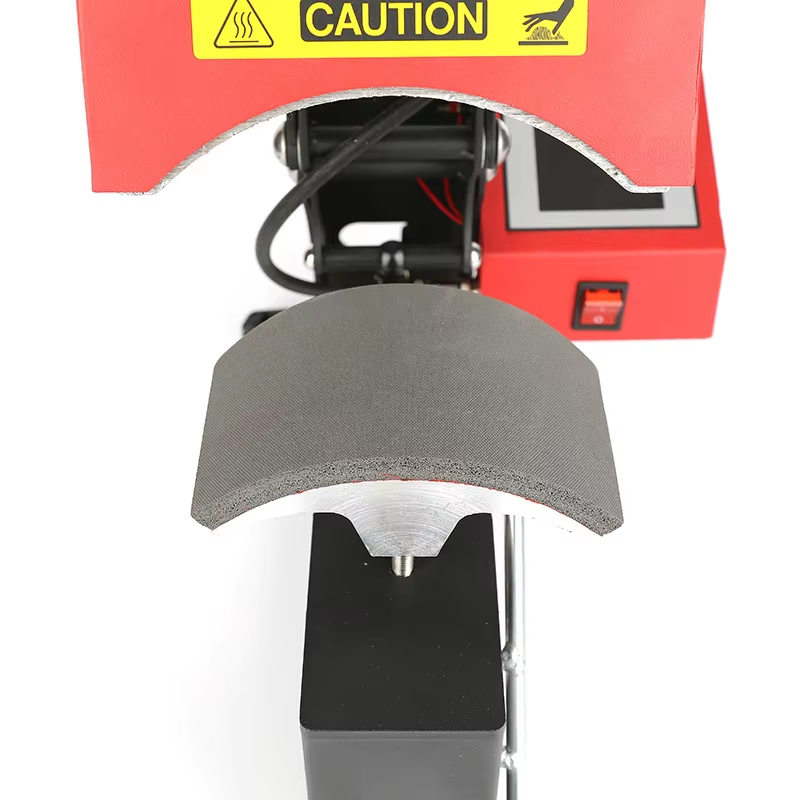
Modern heat press machine designs incorporate interchangeable platens and attachments that accommodate curved, irregular, and specialized surfaces beyond standard flat applications. Mug presses enable cylindrical surface customization, while cap press attachments handle curved hat brims and structured headwear with consistent pressure distribution.
Plate press attachments accommodate various sizes of ceramic tiles, cutting boards, and rigid substrates, while swing-away designs provide clearance for thick items including cushions, bags, and dimensional products. These versatility features enable single heat press machine installations to serve multiple customization applications without requiring dedicated equipment for each surface type.
Adjustable pressure controls and timer functions allow operators to optimize processing parameters for different substrate combinations, ensuring consistent quality across diverse product categories. Temperature uniformity across platen surfaces maintains transfer quality regardless of substrate material properties or thickness variations.
Production Scaling Integration
Heat press machine technology integrates effectively with various production scales, from individual craft operations to industrial manufacturing workflows. Small-scale operations benefit from compact desktop models that provide professional results while fitting workspace constraints, enabling home-based businesses and startup ventures to enter customization markets.
Medium-scale production utilizes larger format heat press machine installations with enhanced productivity features including automatic timers, pneumatic pressure systems, and rapid heating elements that reduce cycle times and increase daily throughput capacity.
Industrial integration involves multiple heat press machine stations coordinated with design software, material cutting systems, and quality control processes that support high-volume customization while maintaining individual product personalization. This scalability ensures businesses can expand operations without abandoning proven heat press technology foundations.
FAQ
What types of products can I customize with a heat press machine?
A heat press machine can customize textiles like t-shirts, hoodies, and bags, as well as hard surfaces including ceramic mugs, metal water bottles, wooden plaques, phone cases, and polyester-coated items. The specific products you can customize depend on your heat press machine's platen attachments and the transfer materials you choose to work with.
How does a heat press machine differ from other customization methods?
A heat press machine uses controlled heat and pressure to permanently bond transfer materials to substrates, offering durability and professional quality that screen printing, embroidery, or adhesive methods may not provide. Unlike digital printing, heat pressing works on diverse materials and creates transfers that withstand washing and outdoor conditions without special substrate preparation.
What transfer materials work best for different substrate types?
Heat transfer vinyl works best on cotton and cotton-blend textiles, sublimation paper transfers optimally onto polyester and polyester-coated surfaces, and adhesive films suit smooth surfaces like metal and plastic. Choosing the right transfer material for your substrate ensures proper adhesion, durability, and appearance quality in your finished customized products.
Can a heat press machine handle commercial production volumes?
Yes, a heat press machine can support commercial production through proper workflow organization and equipment selection. While individual press cycles take minutes, efficient batching, multiple machine stations, and streamlined material preparation can achieve hundreds of customized products daily, making heat pressing viable for small to medium-scale commercial customization businesses.