 EN
EN

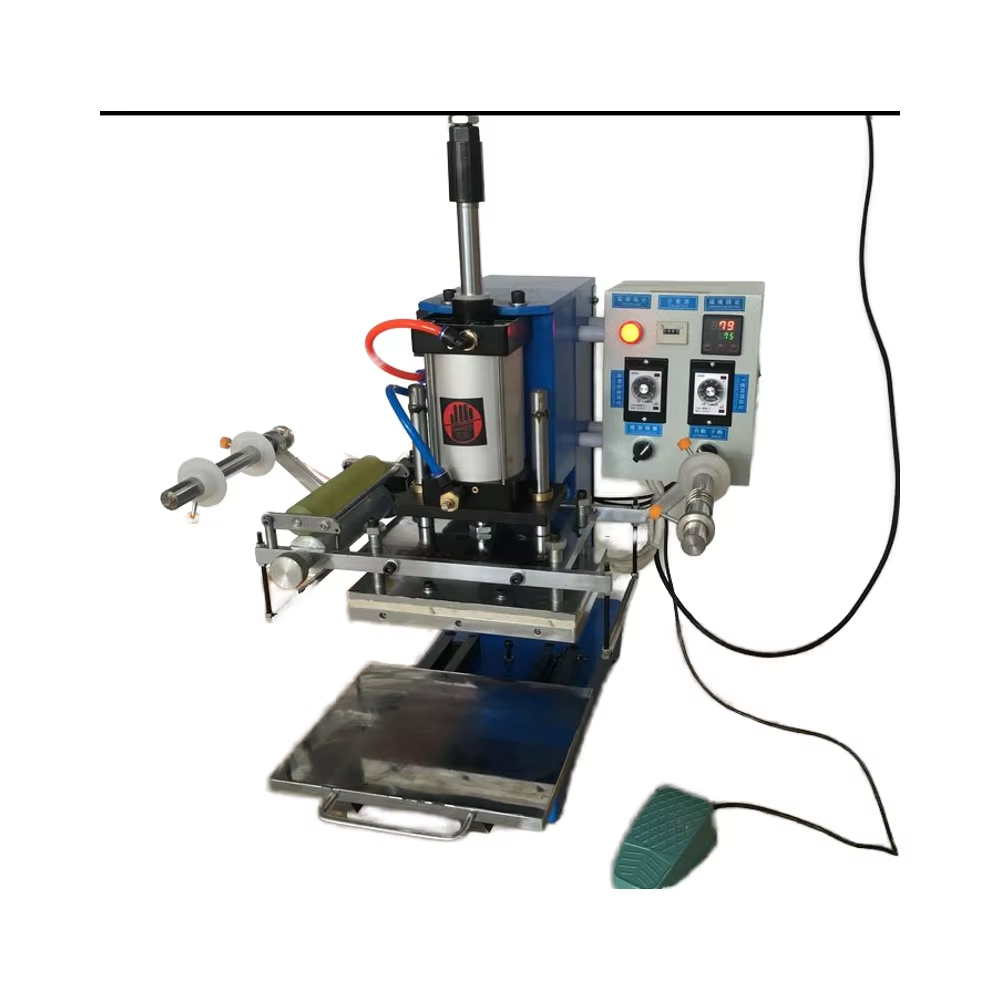
While paper remains the most common substrate for hot foil stamping applications, modern hot foil tamping machine technology has evolved to accommodate an impressive range of alternative materials. Understanding the material compatibility of these versatile machines opens up countless possibilities for decorative finishing, branding applications, and industrial marking across diverse industries. The key to successful hot foil application on different substrates lies in understanding heat distribution, pressure requirements, and the specific characteristics of each material type.
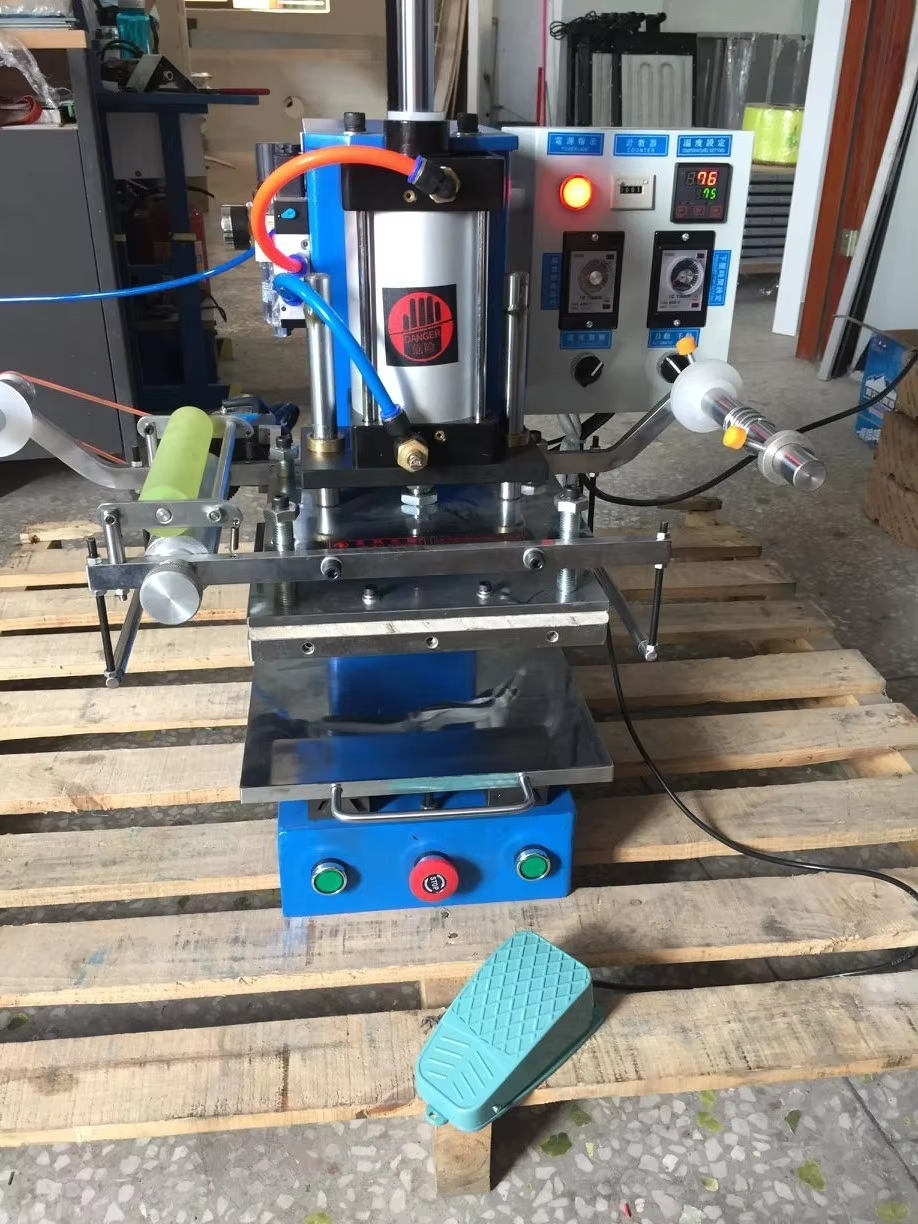
The versatility of a hot foil tamping machine extends far beyond traditional paper applications, making it an invaluable tool for manufacturers and craftsmen working with various substrates. From luxury packaging materials to industrial components, the ability to apply metallic foils, colored films, and decorative finishes to multiple material types has revolutionized product customization and brand enhancement across numerous sectors.
Plastic and Polymer Materials
Thermoplastic Substrates
Thermoplastic materials represent one of the most successful material categories for hot foil tamping machine applications. Polyethylene, polypropylene, and PVC respond exceptionally well to foil stamping when proper temperature and pressure parameters are established. The key advantage of working with thermoplastics is their ability to soften slightly under controlled heat, creating an ideal bonding surface for foil adhesion without compromising the structural integrity of the base material.
The success of hot foil application on plastic substrates depends heavily on surface preparation and temperature control. Most thermoplastics require specific temperature ranges, typically between 120°C and 180°C, to achieve optimal foil transfer without causing material distortion or discoloration. The dwell time during the stamping process must also be carefully calibrated to ensure complete foil release while preventing heat damage to the underlying plastic structure.
Engineered Polymer Applications
Advanced polymer materials, including ABS, polycarbonate, and acrylic substrates, offer excellent compatibility with hot foil tamping machine processes. These engineered materials maintain dimensional stability under heat and pressure, making them ideal for precision applications where exact registration and crisp detail reproduction are critical. The smooth surface finish of most engineered polymers provides an excellent foundation for achieving high-quality foil transfers with sharp edges and consistent coverage.
When working with engineered polymers, the hot foil tamping machine operator must consider the specific thermal properties of each material type. Polycarbonate, for example, requires lower temperatures and shorter dwell times compared to ABS, while maintaining sufficient pressure to ensure proper foil adhesion. Understanding these material-specific requirements enables consistent results across different polymer substrates within the same production environment.
Textile and Fabric Applications
Natural Fiber Compatibility
Natural textile fibers, particularly cotton, linen, and silk, demonstrate excellent compatibility with hot foil tamping machine technology when proper technique and equipment settings are employed. The porous nature of natural fibers allows for mechanical bonding of the foil adhesive layer, creating durable decorative finishes that withstand normal handling and moderate washing cycles. Cotton fabrics, in particular, provide an ideal substrate for foil application due to their heat resistance and stable fiber structure.
The key to successful foil application on natural textiles lies in controlling the pressure distribution and ensuring uniform heat transfer across the fabric surface. A hot foil tamping machine equipped with appropriate pressure plates and temperature controls can achieve consistent results on various fabric weights and weaves. Pre-treatment of the fabric surface may be necessary for certain applications to enhance foil adhesion and prevent premature peeling or flaking.
Synthetic Textile Processing
Synthetic textiles, including polyester, nylon, and blended fabrics, offer unique advantages for hot foil tamping machine applications. These materials typically exhibit better dimensional stability under heat compared to natural fibers, allowing for more precise registration and detail reproduction. The synthetic fiber structure often provides superior foil adhesion characteristics, resulting in longer-lasting decorative finishes that maintain their appearance through extended use.
Processing synthetic textiles with a hot foil tamping machine requires careful attention to temperature limits to prevent fiber melting or fabric distortion. Most synthetic fabrics respond well to moderate temperatures between 140°C and 160°C, with pressure settings adjusted to accommodate the specific fabric construction and thickness. The non-porous nature of many synthetic fibers means that adhesion relies primarily on the thermal activation of the foil adhesive layer rather than mechanical bonding.
Leather and Animal Hide Materials
Natural Leather Processing
Natural leather represents one of the most traditional and successful applications for hot foil tamping machine technology. The protein-based structure of leather provides excellent heat tolerance and creates strong chemical bonds with properly formulated foil adhesives. Full-grain leather, top-grain leather, and corrected-grain leather all demonstrate reliable compatibility with hot foil processes, though each type may require slight adjustments to temperature and pressure settings.
The success of foil application on natural leather depends on several critical factors, including moisture content, surface finish, and tanning processes used in leather preparation. A hot foil tamping machine working with leather substrates typically operates at temperatures between 100°C and 140°C, with pressure settings adjusted to accommodate the thickness and flexibility of the leather. The natural oils present in well-conditioned leather actually enhance foil adhesion by providing a slightly tacky surface that promotes initial bonding.
Synthetic Leather Applications
Synthetic leather materials, including PVC-based and polyurethane-based alternatives, offer consistent performance characteristics for hot foil tamping machine applications. These engineered materials provide uniform surface properties and predictable thermal behavior, making them ideal for high-volume production environments where consistency is paramount. The controlled manufacturing process of synthetic leather eliminates many of the variables associated with natural hide processing.
Working with synthetic leather on a hot foil tamping machine requires understanding the specific polymer chemistry of the surface coating. PVC-based synthetic leathers typically require higher temperatures and longer dwell times compared to polyurethane alternatives, while maintaining consistent pressure to ensure proper foil transfer. The advantage of synthetic leather is the ability to achieve identical results across large production runs without the natural variation inherent in animal hide materials.
Metal and Composite Substrates
Coated Metal Applications
Coated metal substrates, particularly powder-coated aluminum and painted steel surfaces, demonstrate excellent compatibility with hot foil tamping machine processes when appropriate foil types are selected. The key requirement for successful metal foil application is a receptive coating that allows thermal activation of the foil adhesive without compromising the underlying metal protection. Powder-coated surfaces are particularly well-suited because they provide a slightly textured surface that enhances mechanical bonding.
Temperature control becomes critical when working with metal substrates in a hot foil tamping machine, as the high thermal conductivity of metals can cause rapid heat dissipation and uneven foil transfer. Operators must compensate for this thermal behavior by adjusting both temperature settings and dwell times to ensure complete foil activation across the entire stamping area. The thermal mass of the metal substrate also affects heating and cooling cycles during continuous production operations.
Composite Material Processing
Modern composite materials, including fiberglass-reinforced plastics and carbon fiber laminates, present unique opportunities for hot foil tamping machine applications. These materials combine the strength characteristics of their reinforcing fibers with the processability of their polymer matrix, creating substrates that can accept decorative foil finishes while maintaining their structural properties. The smooth resin surface typical of most composites provides an excellent foundation for achieving high-quality foil transfers.
Processing composite materials requires careful consideration of the thermal expansion characteristics of both the reinforcing fibers and the polymer matrix. A hot foil tamping machine working with composites must maintain precise temperature control to prevent delamination or matrix degradation while ensuring adequate heat transfer for proper foil adhesion. The multi-layered structure of many composites can create thermal gradients that affect foil transfer quality, requiring specialized stamping techniques for optimal results.
FAQ
Can a hot foil tamping machine work with glass or ceramic materials?
Hot foil tamping machines can work with certain glass and ceramic materials, but success depends heavily on surface preparation and foil selection. Smooth glass surfaces typically require specialized adhesion promoters or surface treatments to achieve adequate foil bonding. Textured or etched glass provides better mechanical adhesion for foil applications. Ceramic materials with glazed surfaces present similar challenges to glass, while unglazed ceramics generally accept foil transfers more readily due to their porous surface structure.
What factors determine the maximum thickness of material that can be processed?
Material thickness limitations for hot foil tamping machine applications depend on several factors including machine design, pressure capacity, and heat penetration requirements. Most tabletop machines handle materials up to 10-15mm thick, while industrial machines can process substrates up to 25-30mm. The key consideration is ensuring adequate heat transfer through the material thickness to activate the foil adhesive layer. Thicker materials may require longer dwell times or higher temperatures, which can affect production efficiency and may not be suitable for heat-sensitive substrates.
How does surface texture affect hot foil tamping machine results on different materials?
Surface texture significantly influences hot foil tamping machine performance across all material types. Smooth surfaces generally produce the most uniform foil coverage and finest detail reproduction, while textured surfaces may require higher pressure settings to ensure complete foil contact. Moderately textured surfaces often provide superior foil adhesion due to increased mechanical bonding, but extremely rough textures can cause incomplete foil transfer and poor coverage. The optimal surface texture varies by material type and intended application, with most successful applications falling within a specific roughness range that balances adhesion with coverage quality.
Are there any materials that should never be used with a hot foil tamping machine?
Several material categories are unsuitable for hot foil tamping machine applications due to safety concerns or technical limitations. Heat-sensitive materials that melt, decompose, or release toxic fumes at typical operating temperatures should be avoided entirely. Materials with high moisture content can cause steam generation and poor foil adhesion. Highly flexible or elastic materials may not maintain proper contact pressure during the stamping process. Additionally, materials with surface contamination, oils, or release agents will prevent proper foil adhesion and should be cleaned or avoided unless specifically designed for foil application.
Table of Contents
- Plastic and Polymer Materials
- Textile and Fabric Applications
- Leather and Animal Hide Materials
- Metal and Composite Substrates
-
FAQ
- Can a hot foil tamping machine work with glass or ceramic materials?
- What factors determine the maximum thickness of material that can be processed?
- How does surface texture affect hot foil tamping machine results on different materials?
- Are there any materials that should never be used with a hot foil tamping machine?