 EN
EN

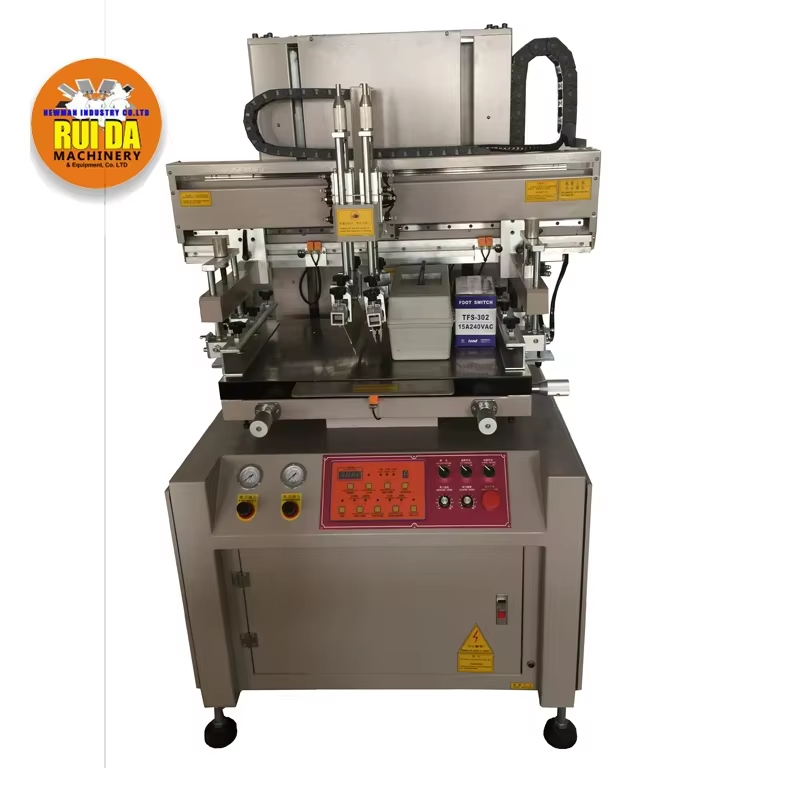
The world of screen printing offers incredible versatility when it comes to color applications, with the number of colors achievable in a single design largely dependent on your printing screen setup and equipment capabilities. Modern screen printing techniques have evolved significantly, allowing designers and manufacturers to create vibrant, multi-colored designs that were once considered impossible. Understanding the relationship between your printing screen configuration and color output is essential for maximizing design potential and meeting customer expectations in today's competitive market.
Understanding Screen Printing Color Capacity
Basic Color Theory in Screen Printing
Each color in a screen printed design requires its own dedicated printing screen, which means the number of colors you can achieve is directly tied to your machine's station capacity. Traditional single-color printing screen setups limit you to one color per pass, requiring multiple runs for multi-color designs. However, modern multi-station machines have revolutionized this process, enabling simultaneous application of multiple colors with precise registration and consistent quality across large production runs.
The printing screen mesh count also plays a crucial role in color vibrancy and detail retention. Lower mesh counts allow more ink to pass through, creating bold, opaque colors, while higher mesh counts provide finer detail and smoother gradients. Professional printing screen operators must balance these factors to achieve optimal results for each specific design requirement and substrate combination.
Station Configuration Impact
Multi-station printing screen machines typically range from 4 to 16 stations, with some industrial units accommodating even more. A 12-station configuration, for example, allows for up to 12 different colors in a single design, assuming each station is dedicated to one color. This capability transforms design possibilities, enabling complex artwork, photorealistic images, and intricate branding elements that would be impossible with traditional single-color printing screen methods.
The spacing between stations on your printing screen machine also affects color blending opportunities. Proper station alignment ensures that colors meet precisely where intended, preventing gaps or overlaps that can compromise design integrity. Advanced machines feature micro-adjustment capabilities that allow operators to fine-tune registration between colors, ensuring professional-quality results even with the most demanding multi-color designs.
Technical Limitations and Considerations
Equipment Constraints
While modern printing screen technology supports numerous colors, practical limitations often determine the actual number used in production environments. Each additional color increases setup time, ink consumption, and potential registration challenges. Most commercial printing screen operations find that designs using 6-8 colors provide the best balance between visual impact and production efficiency, though specialized applications may justify higher color counts.
The size and weight of your printing screen frame also influence color capacity decisions. Larger frames accommodate more detailed designs but require more robust machinery and precise handling. Heavy-duty printing screen equipment designed for industrial applications can handle these demands while maintaining accuracy across extended production runs.
Substrate and Ink Compatibility
Different substrates react uniquely to multi-color printing screen applications. Fabric weight, texture, and fiber content all influence how inks interact and cure. Cotton blends typically handle multiple colors well, while synthetic materials may require specialized inks or modified printing screen parameters. Understanding these relationships helps operators optimize color output while maintaining consistent quality standards across diverse product lines.
Ink compatibility becomes increasingly critical as color count rises. Each ink type has specific curing requirements, drying times, and chemical properties that must work harmoniously with adjacent colors. Water-based inks offer excellent color mixing potential for printing screen applications, while plastisol inks provide durability and opacity benefits. The choice between ink systems significantly impacts the maximum practical color count for any given printing screen project.
Advanced Multi-Color Techniques
Process Color Printing Methods
Four-color process printing represents a revolutionary approach to printing screen color reproduction, using cyan, magenta, yellow, and black (CMYK) to simulate full-color images. This technique allows virtually unlimited color representation using just four printing screen stations, making it ideal for photographic reproductions and complex gradient designs. Process color printing requires precise dot patterns and careful registration but can achieve results comparable to digital printing methods.
Hybrid approaches combine process colors with spot colors on the same printing screen setup, maximizing design flexibility while maintaining production efficiency. This technique is particularly effective for corporate logos requiring specific brand colors alongside photographic elements. Modern printing screen software can separate these complex designs automatically, streamlining the production workflow for even the most challenging multi-color projects.
Specialty Color Applications
Specialty inks expand color possibilities beyond traditional pigments, introducing effects like metallic finishes, glow-in-the-dark properties, and color-changing characteristics. These specialty applications may count as additional colors in your printing screen design, but they create unique visual effects that command premium pricing. Incorporating specialty inks requires careful consideration of curing requirements and compatibility with standard printing screen processes.
Discharge printing techniques can create the appearance of additional colors by removing existing dye from pre-colored garments. This printing screen method effectively adds white or light colors to dark substrates without adding ink thickness. When combined with traditional plastisol colors, discharge techniques can significantly expand the apparent color count while maintaining a soft hand feel on the finished product.
Production Efficiency and Color Management
Setup Time Optimization
Managing multiple colors on a printing screen system requires careful planning to minimize setup and changeover times. Color sequencing strategies can reduce cleaning requirements between runs, while standardized ink mixing procedures ensure consistent color reproduction across batches. Professional printing screen operations often maintain dedicated screens for frequently used colors, reducing setup time for repeat orders and rush jobs.
Automated registration systems on advanced printing screen machines can significantly reduce setup time for multi-color jobs. These systems use optical sensors and motorized adjustments to achieve precise alignment between colors, eliminating much of the manual labor traditionally associated with complex printing screen setups. The time savings often justify the investment in automated equipment for high-volume printing screen operations.
Quality Control Measures
Maintaining consistent color quality across multiple stations requires systematic quality control procedures throughout the printing screen process. Color matching systems help operators achieve consistent results, while inline inspection tools can detect registration problems before they affect large quantities of product. Temperature and humidity control in the printing screen environment also plays a crucial role in maintaining ink consistency and proper curing characteristics.
Documentation and standardization of printing screen parameters for each color combination enables repeatable results across different operators and production shifts. Digital color management tools can store specific settings for each printing screen job, including squeegee pressure, flood stroke speed, and ink viscosity measurements. This systematic approach ensures that complex multi-color designs maintain consistent quality regardless of production variables.
Cost Considerations for Multi-Color Designs
Economic Impact of Additional Colors
Each additional color in a printing screen design introduces incremental costs including screen preparation, ink consumption, setup time, and increased labor requirements. While the direct material costs may seem modest, the cumulative impact of these factors can significantly affect project profitability. Understanding these cost relationships helps businesses make informed decisions about design complexity and pricing strategies for printing screen services.
Break-even analysis for multi-color printing screen jobs must consider both fixed setup costs and variable per-piece expenses. High-volume runs can justify elaborate printing screen setups with numerous colors, while smaller quantities may require design simplification to maintain reasonable pricing. Advanced printing screen equipment with quick-change capabilities can help reduce these economic barriers to multi-color production.
Value-Added Services
Multi-color printing screen capabilities enable value-added services that command premium pricing in the marketplace. Custom color matching, gradient effects, and photorealistic reproductions differentiate professional printing screen operations from basic single-color competitors. These advanced capabilities often justify higher equipment investments and specialized training for printing screen operators.
Design consultation services help customers optimize their artwork for printing screen production while managing color counts effectively. Professional printing screen operations can guide clients toward design modifications that maintain visual impact while reducing production complexity and costs. This collaborative approach often leads to stronger customer relationships and repeat business opportunities.
FAQ
What is the maximum number of colors possible on a single printing screen design
The maximum number of colors depends entirely on your printing screen machine configuration. Most commercial machines range from 6 to 16 stations, allowing for that many individual colors. However, advanced techniques like four-color process printing can simulate thousands of colors using just four printing screen stations, while specialty applications may combine multiple approaches for virtually unlimited color possibilities.
How do multiple colors affect printing screen setup time
Each additional color increases setup complexity exponentially rather than linearly. A single-color printing screen job might require 15-30 minutes setup, while a 6-color job could require 2-3 hours for proper registration and color matching. Modern automated printing screen equipment can reduce these times significantly, but careful planning remains essential for efficient multi-color production.
Can I mix different ink types in a single printing screen design
Yes, but compatibility must be carefully considered. Water-based and plastisol inks can often be combined in the same printing screen design, but they require different curing temperatures and techniques. Specialty inks like discharge or metallic formulations may have specific requirements that affect the overall printing screen process. Always test compatibility before committing to production runs.
What factors determine the best color count for my printing screen project
Optimal color count depends on design requirements, budget constraints, production volume, and target market expectations. Simple logos may only need 2-3 colors, while photographic reproductions might require process color techniques. Consider your printing screen equipment capabilities, operator skill level, and customer expectations when determining the appropriate color count for each specific project.