 EN
EN
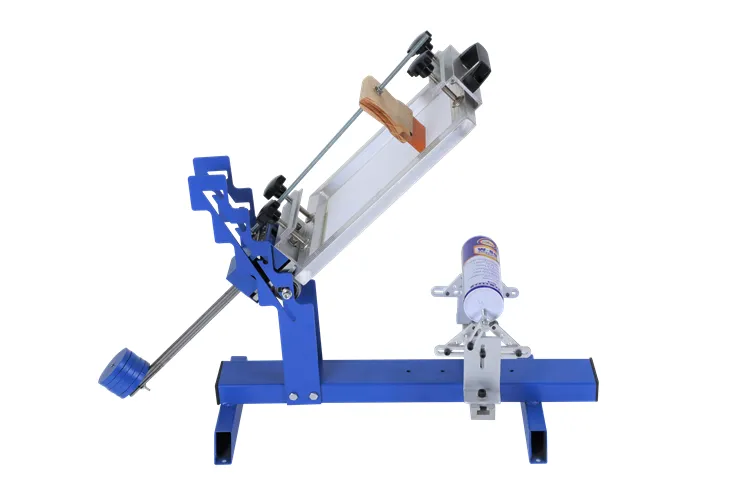
Screen printing has experienced a remarkable resurgence in recent years, driven by entrepreneurs, artists, and small businesses seeking cost-effective ways to create custom apparel and merchandise. At the heart of this creative revolution lies the manual screen print machine, a versatile tool that transforms blank garments into personalized works of art. Whether you're starting a home-based printing business or expanding your creative capabilities, selecting the right manual screen print machine can significantly impact your productivity, print quality, and overall success in the competitive custom printing market.
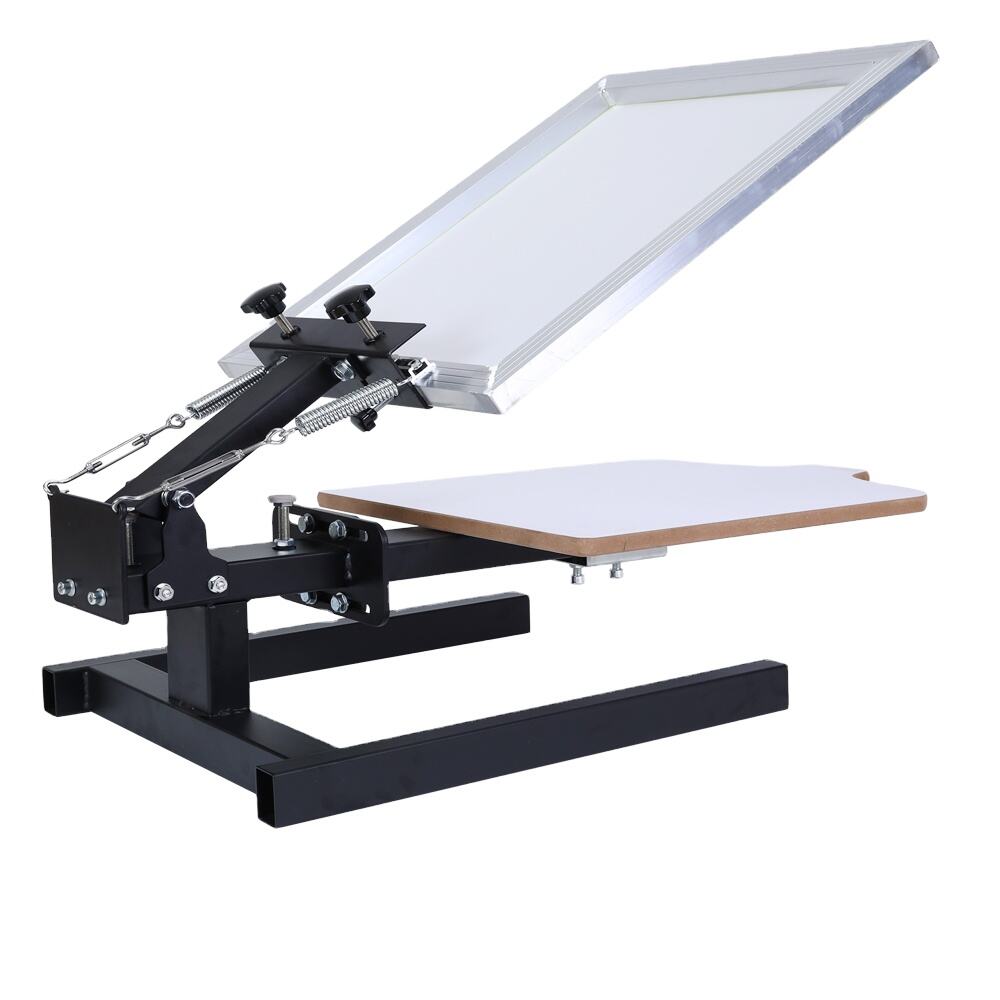
The world of manual screen printing offers numerous advantages over automated systems, particularly for beginners and small-scale operations. Manual screen print machines provide complete control over the printing process, allowing operators to adjust pressure, speed, and ink application in real-time. This hands-on approach enables printers to achieve consistent results while maintaining the flexibility to experiment with different techniques and effects. Additionally, manual systems require significantly lower initial investment compared to automatic equipment, making them accessible to startups and hobbyists who want to enter the screen printing industry without substantial financial risk.
Understanding the fundamental components and operational principles of manual screen print machines helps buyers make informed purchasing decisions. These machines typically consist of a base platform, screen printing frames, squeegee systems, and registration mechanisms that ensure precise print placement. The quality of construction, materials used, and engineering precision directly influence the machine's durability, print accuracy, and ease of operation. Modern manual screen print machines incorporate ergonomic designs and user-friendly features that enhance productivity while reducing operator fatigue during extended printing sessions.
Essential Features of Professional Manual Screen Print Machines
Frame Construction and Stability
The foundation of any reliable manual screen print machine lies in its frame construction and overall stability. Professional-grade machines utilize heavy-duty steel or aluminum frames that resist flexing and vibration during the printing process. This structural integrity ensures consistent print registration and prevents unwanted movement that can compromise print quality. The base should feature adequate weight distribution and non-slip feet or mounting options that keep the machine securely positioned on work surfaces. High-quality manual screen print machines often incorporate reinforced joints and precision-machined components that maintain alignment even after thousands of printing cycles.
Weight and portability considerations play crucial roles in frame design, particularly for users who need to transport their equipment or work in multiple locations. While heavier frames generally provide better stability, modern engineering allows manufacturers to achieve excellent rigidity with optimized materials and smart design choices. The best manual screen print machines strike an ideal balance between stability and portability, offering robust performance without becoming unwieldy or difficult to relocate when necessary.
Screen Holding and Registration Systems
Precise screen holding and registration systems distinguish professional manual screen print machines from entry-level alternatives. Advanced machines feature quick-release screen clamps that securely hold screens in perfect alignment while allowing rapid screen changes between colors or designs. The registration system should provide micro-adjustments in multiple directions, enabling operators to achieve precise print placement with minimal setup time. Professional systems often include registration pins or guide systems that ensure consistent screen positioning across multiple print runs.
Screen tension maintenance represents another critical aspect of professional manual screen print machine design. Quality machines incorporate features that prevent screen sagging or loosening during extended use, maintaining optimal printing conditions throughout production runs. Some advanced models include tensioning indicators or adjustment mechanisms that help operators maintain proper screen tension for consistent ink transfer and sharp print definition.
Operational Advantages and Performance Characteristics
Print Quality and Consistency Control
Manual screen print machines excel in delivering exceptional print quality through operator-controlled variables that automated systems cannot easily replicate. Skilled operators can adjust squeegee pressure, angle, and speed in real-time to accommodate different ink types, fabric textures, and design requirements. This level of control enables the production of specialty effects like gradients, textures, and multi-layered prints that showcase the artistic potential of screen printing. The manual screen print machine allows printers to develop their technique and create unique finishes that distinguish their work in competitive markets.
Consistency control in manual operations depends heavily on operator skill and machine design features that support repeatable processes. Well-designed manual screen print machines include guides, stops, and reference points that help operators maintain consistent squeegee strokes and print pressure. These features enable experienced printers to achieve remarkable consistency across large production runs while providing learning aids for newcomers developing their screen printing skills.
Versatility and Application Range
The versatility of manual screen print machines extends far beyond basic t-shirt printing, encompassing a wide range of substrates and applications. Professional manual systems can handle various fabric weights, from lightweight cotton to heavy canvas and specialty materials like polyester blends and technical fabrics. This adaptability makes manual screen print machines valuable tools for businesses serving diverse markets including fashion, promotional products, signage, and industrial applications.
Ink compatibility represents another significant advantage of manual screen print machines, as these systems work effectively with water-based, plastisol, discharge, and specialty inks. The operator's direct control over printing variables allows for optimal ink application regardless of formulation, enabling printers to choose inks based on design requirements, environmental considerations, and cost factors rather than equipment limitations.
Market Categories and Selection Criteria
Entry-Level Manual Screen Print Machines
Entry-level manual screen print machines cater to hobbyists, students, and entrepreneurs starting their screen printing journey with limited budgets. These machines typically feature simplified designs with basic registration systems and standard frame construction. While they may lack some advanced features found in professional models, quality entry-level manual screen print machines still deliver acceptable print results for small-scale projects and learning applications. Key considerations for this category include ease of setup, clear instruction materials, and availability of replacement parts and upgrades.
Cost-effectiveness remains the primary driver for entry-level manual screen print machine selection, but buyers should avoid compromising essential functionality for minimal savings. Reliable entry-level machines incorporate solid construction principles and user-friendly features that facilitate skill development without frustrating limitations. Many manufacturers offer upgrade paths that allow users to enhance their machines with professional accessories as their skills and business needs grow.
Professional-Grade Manual Screen Print Machines
Professional-grade manual screen print machines target established printers and commercial operations requiring consistent high-quality output and enhanced productivity features. These machines incorporate precision engineering, premium materials, and advanced registration systems that support professional production standards. Professional manual screen print machines often feature modular designs that allow customization for specific applications and easy integration with complementary equipment like conveyor dryers and ink mixing stations.
Investment considerations for professional manual screen print machines extend beyond initial purchase price to include long-term durability, maintenance requirements, and production capacity. Quality professional machines offer extended service life, minimal maintenance needs, and the ability to handle demanding production schedules without performance degradation. These factors contribute to lower total cost of ownership and higher return on investment for serious printing operations.
Technical Specifications and Performance Metrics
Print Area and Size Capabilities
Print area specifications directly impact the range of projects that manual screen print machines can accommodate effectively. Standard machines typically offer print areas ranging from small format suitable for pocket prints and logos to large format capable of full chest designs and oversized graphics. The maximum print size determines substrate compatibility and influences setup efficiency, as larger print areas require proportionally larger screens and more workspace. Professional manual screen print machines often provide multiple print area options through interchangeable platens or adjustable frames.
Size capabilities also encompass substrate thickness and dimensional tolerances that manual screen print machines can handle effectively. Quality machines accommodate various garment styles including thick hoodies, thin tank tops, and specialty items like bags and caps through adjustable height settings and flexible platen configurations. This versatility enables operators to serve diverse customer requirements without requiring multiple specialized machines.
Speed and Throughput Considerations
While manual screen print machines cannot match the raw speed of automated systems, skilled operators can achieve impressive throughput rates through efficient techniques and well-designed equipment. Production speed depends on multiple factors including design complexity, color count, operator experience, and machine features that support rapid operation. Quality manual screen print machines incorporate features like quick-release mechanisms, smooth squeegee action, and ergonomic designs that minimize cycle time and reduce operator fatigue.
Throughput optimization in manual screen print machine operations requires balancing speed with quality maintenance and operator sustainability. Experienced printers develop efficient workflows that maximize production rates while maintaining consistent print quality and preventing repetitive strain injuries. The best manual screen print machines support these efficient workflows through thoughtful design features and adjustable components that accommodate different operator preferences and printing techniques.
Maintenance and Longevity Factors
Routine Maintenance Requirements
Proper maintenance significantly extends the service life and performance consistency of manual screen print machines while preventing costly repairs and production interruptions. Routine maintenance typically includes regular cleaning of ink residues, lubrication of moving parts, and inspection of wear components like squeegee holders and screen clamps. Quality manual screen print machines feature accessible maintenance points and clear maintenance schedules that simplify routine care and help operators identify potential issues before they cause problems.
Cleaning protocols for manual screen print machines vary depending on ink types used and production frequency, but generally involve removing ink residues, cleaning screens thoroughly, and protecting metal surfaces from corrosion. Professional operators develop systematic cleaning routines that maintain equipment condition while minimizing downtime between jobs. Well-designed machines facilitate easy cleaning through removable components and surfaces that resist ink adhesion and chemical damage.
Component Durability and Replacement
Component durability directly impacts the long-term cost-effectiveness of manual screen print machine ownership. High-quality machines utilize premium materials and precise manufacturing techniques that ensure consistent performance over extended periods. Critical wear components like squeegee assemblies, screen holding mechanisms, and adjustment hardware should demonstrate excellent durability while remaining easily replaceable when necessary. The availability of replacement parts and technical support significantly influences the practical service life of manual screen print machines.
Upgrade compatibility represents an important consideration for manual screen print machine buyers planning to expand their capabilities over time. Quality manufacturers design their machines with modular architectures that support accessory additions and component upgrades without requiring complete equipment replacement. This upgrade path provides cost-effective growth opportunities and extends equipment utility as business requirements evolve.
FAQ
What factors should I consider when choosing my first manual screen print machine?
When selecting your first manual screen print machine, prioritize build quality, ease of use, and upgrade potential over advanced features you may not immediately need. Look for machines with solid frame construction, clear instruction materials, and good manufacturer support. Consider your available workspace, typical project sizes, and budget constraints. A quality entry-level machine from a reputable manufacturer often provides better long-term value than a feature-rich machine from an unknown brand. Ensure the machine can accommodate your most common print sizes while offering room for growth as your skills develop.
How do manual screen print machines compare to automatic systems for small businesses?
Manual screen print machines offer several advantages for small businesses including lower initial investment, greater flexibility for small runs and custom work, and complete operator control over print quality. While automatic systems provide higher production speeds, manual machines excel in versatility and cost-effectiveness for businesses handling diverse orders and specialty techniques. Manual systems also require less space, consume less power, and offer easier maintenance, making them ideal for home-based operations and small commercial shops. The choice depends on your production volume, order types, and growth plans.
What maintenance schedule should I follow for optimal manual screen print machine performance?
Establish a maintenance routine that includes daily cleaning after each printing session, weekly lubrication of moving parts, and monthly inspection of all components for wear or damage. Clean ink residues immediately to prevent buildup that can affect print quality and damage equipment surfaces. Check screen tension regularly and adjust registration systems as needed to maintain print accuracy. Keep detailed maintenance records to track component performance and schedule preventive replacements before failures occur. Follow manufacturer guidelines for specific maintenance procedures and recommended intervals.
Can manual screen print machines handle different types of inks and specialty applications?
Quality manual screen print machines accommodate virtually all ink types including water-based, plastisol, discharge, and specialty formulations like glow-in-the-dark and metallic inks. The operator's direct control over squeegee pressure, angle, and speed allows optimization for each ink type's specific requirements. Manual systems excel at specialty techniques like four-color process printing, gradient effects, and texture applications that require precise operator control. However, ensure your chosen machine features appropriate construction materials and surface treatments that resist chemical damage from aggressive ink formulations and cleaning solvents.
Table of Contents
- Essential Features of Professional Manual Screen Print Machines
- Operational Advantages and Performance Characteristics
- Market Categories and Selection Criteria
- Technical Specifications and Performance Metrics
- Maintenance and Longevity Factors
-
FAQ
- What factors should I consider when choosing my first manual screen print machine?
- How do manual screen print machines compare to automatic systems for small businesses?
- What maintenance schedule should I follow for optimal manual screen print machine performance?
- Can manual screen print machines handle different types of inks and specialty applications?