 EN
EN
Understanding Modern Screen Printing Technology
Screen printing technology has evolved significantly over the decades, transforming from simple manual processes to sophisticated automated systems. Today's print shops face a crucial decision between manual and automatic screen printing machines, each offering distinct advantages for different production needs. This comprehensive guide explores the key differences, helping you make an informed choice for your printing operation.
Manual Screen Printing Equipment
Core Components and Operation
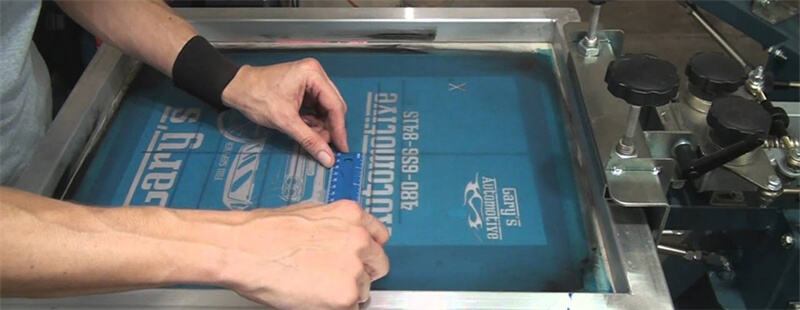
Manual screen printing machines consist of several essential components, including the printing press, squeegee, screen frame, and registration system. These machines require operators to perform each step of the printing process by hand, from loading the substrate to pulling the squeegee across the screen. The basic structure includes a printing station where the screen is mounted and a platen that holds the printing material.
The printing process involves carefully aligning the substrate, lowering the screen, applying ink, and using the squeegee to transfer the design. Each color requires a separate screen and printing cycle, making multi-color designs more time-intensive. Despite their simple construction, manual screen printing machines can produce high-quality results when operated by skilled technicians.
Benefits of Manual Systems
Manual screen printing machines offer several advantages that make them particularly suitable for certain business scenarios. Their lower initial investment cost makes them an excellent choice for startups and small businesses. These machines also provide greater control over the printing process, allowing operators to adjust pressure, speed, and ink distribution for each print individually.
Another significant benefit is the minimal maintenance requirements and simpler troubleshooting process. Manual systems have fewer moving parts and electronic components, reducing the likelihood of mechanical failures. They also offer excellent versatility for printing on various materials and substrates, from t-shirts to specialized surfaces.
Automatic Screen Printing Equipment
Advanced Features and Capabilities
Automatic screen printing machines represent the pinnacle of printing technology, incorporating sophisticated mechanisms and controls. These systems feature programmable settings, automated registration systems, and multiple printing stations that can operate simultaneously. Modern automatic presses can handle complex multi-color designs with precise registration and consistent quality across large production runs.
The automation extends to various aspects of the printing process, including substrate loading, screen positioning, squeegee pressure control, and flash curing. Many systems also include integrated dryers and conveyor systems, creating a streamlined production line that maximizes efficiency and output quality.
Production Efficiency and Output
The primary advantage of automatic screen printing machines lies in their production capabilities. These systems can achieve significantly higher throughput rates, often producing hundreds of prints per hour with consistent quality. The automated processes reduce operator fatigue and minimize human error, resulting in more reliable output across extended production runs.
Advanced automatic systems also offer features like preset programs for different job types, automatic screen cleaning systems, and integrated quality control mechanisms. These capabilities not only increase productivity but also ensure consistent print quality throughout the production process.
Cost Considerations and ROI
Initial Investment Analysis
The financial implications of choosing between manual and automatic screen printing machines extend beyond the initial purchase price. Manual systems typically require investments ranging from a few thousand to tens of thousands of dollars, while automatic systems can cost significantly more. However, the investment decision should consider factors like production volume, labor costs, and potential revenue growth.
Additional costs include facility modifications, training requirements, and supplementary equipment needed for efficient operation. Manual systems generally require less extensive facility preparations and can often operate in smaller spaces, while automatic systems may need specialized electrical connections and more substantial floor space.
Long-term Operating Costs
Operating costs vary significantly between manual and automatic screen printing machines. Labor costs represent a major factor, with manual systems requiring more operator time per unit produced. Automatic systems, while requiring higher initial investment and maintenance costs, can significantly reduce per-unit labor costs through higher production speeds.
Energy consumption, maintenance requirements, and consumable costs also differ between the two types. Automatic systems typically have higher energy consumption and more complex maintenance needs but can offer better material efficiency and reduced waste through precise control systems.
Making the Right Choice
Business Scale Considerations
Selecting between manual and automatic screen printing machines depends heavily on your business scale and production requirements. Small businesses with variable production demands and custom orders often benefit from the flexibility of manual systems. Larger operations with consistent high-volume orders typically see better returns from automatic systems' efficiency and consistency.
Consider your growth projections and market demands when making this decision. A business expecting rapid growth might benefit from investing in an automatic system early, while those focusing on specialized or limited-run products might find manual systems more suitable.
Production Environment Factors
The production environment plays a crucial role in equipment selection. Available space, power requirements, and workflow considerations all impact the feasibility of different machine types. Manual systems offer greater flexibility in terms of layout and can be more easily relocated or reconfigured as needed.
Consider also the skill level of your workforce and training requirements. Manual systems require more operator skill and experience to achieve consistent results, while automatic systems can help standardize output quality across different operators.
Frequently Asked Questions
How do maintenance requirements differ between manual and automatic screen printing machines?
Manual screen printing machines typically require simpler maintenance procedures focused on cleaning and basic mechanical adjustments. Automatic systems need more comprehensive maintenance, including regular calibration, electronic system checks, and preventive maintenance for automated components. However, automatic systems often include built-in maintenance scheduling and diagnostic features that can help prevent major issues.
Can automatic screen printing machines handle specialty inks and effects?
Yes, modern automatic screen printing machines are capable of handling various specialty inks and effects, including high-density prints, metallic inks, and special textures. Many automatic systems offer adjustable parameters specifically designed for different ink types and special effects, though some very specialized applications might still benefit from manual control.
What production volume justifies an automatic screen printing machine?
Generally, businesses printing more than 100-200 pieces per day might begin to see benefits from automatic screen printing machines. However, the exact breakeven point depends on factors like labor costs, product mix, and pricing structure. Consider both current production volumes and projected growth when making this decision.