 EN
EN
Understanding the Art and Practicality of Manual Screen Printing
The manual screen printer stands as a testament to the perfect blend of artistic craftsmanship and practical functionality in the printing industry. For decades, businesses and artists alike have turned to this versatile printing method, recognizing its unique ability to deliver exceptional results while maintaining complete control over the creative process. Whether you're a startup apparel brand or an established printing business, the decision to invest in a manual screen printer could be the game-changing choice that elevates your production capabilities.
In today's digital age, where automated solutions seem to dominate every industry, the manual screen printer continues to hold its ground, offering distinct advantages that automated systems simply cannot match. From superior ink laydown to unmatched versatility in substrate handling, these traditional yet highly effective printing systems prove their worth time and time again.
Key Benefits of Manual Screen Printing Equipment
Cost-Effective Investment and Operation
One of the most compelling reasons to choose a manual screen printer is its favorable economic proposition. The initial investment required for a quality manual screen printer is significantly lower than its automatic counterparts, making it an accessible option for small businesses and entrepreneurs. Operating costs remain minimal, with fewer mechanical components to maintain and replace over time.
The cost efficiency extends beyond the equipment itself. Manual screen printers consume less electricity, require simpler maintenance procedures, and allow for easy replacement of individual components when necessary. This translates to lower overhead costs and better profit margins for your printing business.
Superior Control and Customization
With a manual screen printer, operators maintain complete control over every aspect of the printing process. This hands-on approach allows for real-time adjustments to pressure, speed, and ink distribution, ensuring optimal results for each unique project. The ability to make immediate modifications proves invaluable when working with different fabrics, textures, or specialized printing requirements.
Customization options become virtually limitless as operators can experiment with various techniques, inks, and applications without the constraints of programmed settings. This flexibility makes the manual screen printer an ideal choice for businesses that pride themselves on delivering unique, high-quality printed products.
Technical Capabilities and Versatility
Multi-Color Printing Excellence
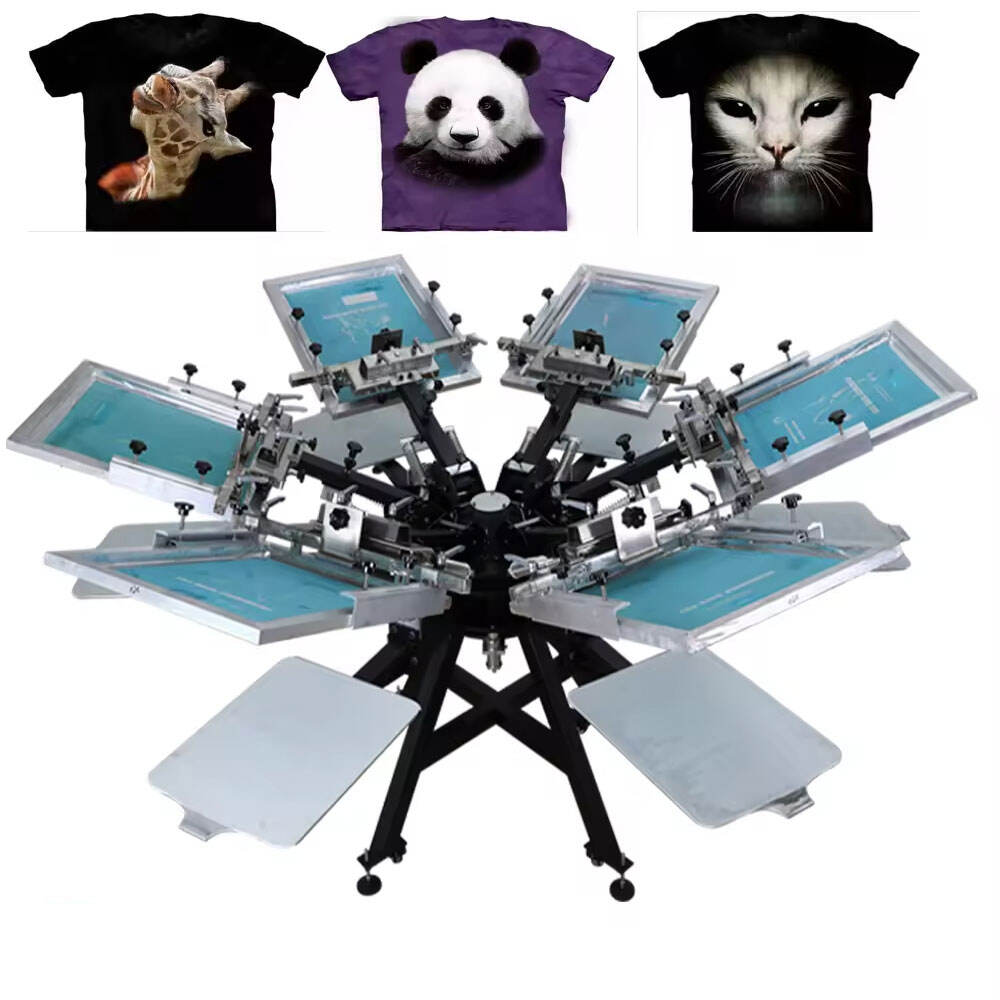
Modern manual screen printers excel at multi-color applications, allowing operators to achieve precise color registration and vibrant results. The equipment's design enables smooth transitions between different screens and colors, making it possible to create complex, multi-layered designs with professional precision.
The manual process actually offers advantages in color control, as operators can adjust ink flow and pressure for each color individually, ensuring optimal coverage and vibrancy. This level of control often results in superior color saturation compared to automated systems, particularly on challenging substrates.
Substrate Compatibility
A manual screen printer demonstrates remarkable versatility when it comes to handling different printing materials. From traditional textiles to specialized surfaces like wood, metal, or glass, these printers adapt effortlessly to various substrate requirements. The operator's ability to adjust pressure and technique makes it possible to achieve consistent results across diverse materials.
This adaptability proves particularly valuable for businesses that offer a wide range of printing services or frequently work with unique materials. The manual screen printer's versatility eliminates the need for multiple specialized machines, consolidating various printing capabilities into one efficient system.
Learning and Skill Development
Mastering the Craft
Operating a manual screen printer provides invaluable hands-on experience that develops true craftsmanship in the printing industry. Operators learn to understand the nuances of different inks, substrates, and printing techniques through direct interaction with the equipment. This knowledge proves invaluable for professional growth and quality control.
The skills acquired through manual screen printing form a solid foundation for understanding more complex printing processes. Even as businesses grow and potentially expand into automated systems, the expertise gained from manual operations remains relevant and beneficial.
Training and Team Development
Manual screen printers offer an excellent platform for training new staff members in the fundamentals of screen printing. The straightforward operation and direct feedback allow beginners to understand cause and effect in the printing process, making it easier to troubleshoot issues and improve techniques.
Teams can develop strong printing skills progressively, starting with simple designs and advancing to more complex projects as their expertise grows. This gradual skill development ensures consistent quality and builds confidence in handling diverse printing challenges.
Sustainability and Environmental Considerations
Reduced Energy Consumption
In an era of increasing environmental awareness, the manual screen printer stands out for its minimal energy requirements. Without the need for complex electronic systems or powerful motors, these printers operate with significantly lower electricity consumption compared to automatic alternatives.
The reduced power usage not only benefits the environment but also contributes to lower operational costs, making manual screen printing a sustainable choice for environmentally conscious businesses.
Waste Reduction and Control
The precise control offered by manual screen printers helps minimize waste in both materials and inks. Operators can fine-tune ink application and make immediate adjustments to prevent overuse or wastage. This level of control becomes particularly important when working with specialty inks or expensive materials.
Additionally, the simpler mechanical design of manual screen printers results in fewer replacement parts and less mechanical waste over the equipment's lifetime, further supporting sustainable business practices.
Frequently Asked Questions
How long does it take to learn manual screen printing?
Basic proficiency in manual screen printing can be achieved within a few weeks of dedicated practice. However, mastering advanced techniques and developing expertise in handling various materials and complex designs typically requires several months of consistent hands-on experience.
What types of materials can be printed with a manual screen printer?
Manual screen printers can handle a wide range of materials including textiles, paper, cardboard, wood, metal, glass, and plastics. The key is using appropriate inks and techniques for each specific substrate to ensure optimal results.
How does the print quality compare to automatic screen printers?
When operated by skilled technicians, manual screen printers can produce print quality that matches or even exceeds that of automatic printers. The ability to make real-time adjustments and control pressure precisely often results in superior ink deposits and sharper details.