 EN
EN
Essential Guide to Manual Screen Printing Equipment for Professional Results
The art of screen printing has evolved significantly over the years, yet manual screen printing machines remain the backbone of many printing operations. From small home-based businesses to established print shops, these versatile machines offer reliability, precision, and cost-effectiveness that make them indispensable tools of the trade. Whether you're just starting your printing journey or looking to upgrade your existing equipment, understanding the capabilities and features of today's manual screen printing machines is crucial for making an informed decision.
In this comprehensive review, we'll explore the finest manual screen printing machines available in the market, examining their features, performance, and value proposition. We'll dive deep into what makes each machine stand out and help you determine which option best suits your specific printing needs.
Understanding Manual Screen Printing Technology
Core Components and Mechanics
Manual screen printing machines consist of several essential components that work together to create precise prints. The primary elements include the print head, registration system, platen, and micro-registration adjustments. The print head holds the screen and squeegee, while the platen provides a stable surface for the substrate. High-quality manual screen printing machines feature precision-engineered components that ensure consistent pressure and alignment throughout the printing process.
The registration system is particularly crucial as it determines how accurately multiple colors can be aligned. Superior manual screen printing machines offer micro-registration capabilities that allow for minute adjustments in all directions, ensuring perfect color alignment even on complex designs.
Advantages of Manual Operation
While automatic machines have their place, manual screen printing machines offer unique benefits that make them irreplaceable in many scenarios. The hands-on control allows operators to adjust pressure and speed according to specific substrate requirements and ink characteristics. This level of control is especially valuable when working with specialty inks or challenging materials.
Additionally, manual screen printing machines require minimal maintenance, have fewer moving parts that could potentially fail, and consume less space than their automatic counterparts. These attributes make them particularly attractive for businesses with space constraints or those just entering the industry.
Premium Manual Screen Printing Options
Professional Grade Single-Station Units
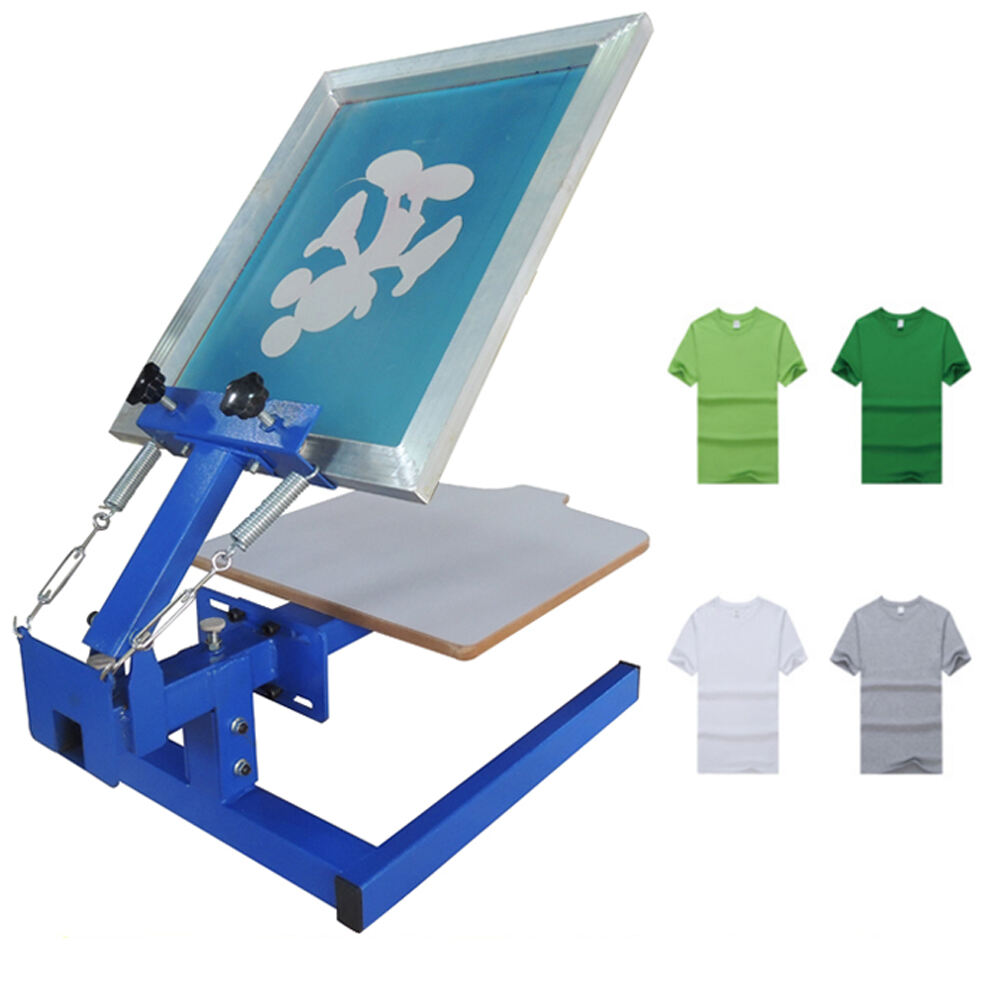
Single-station manual screen printing machines are perfect for beginners or shops with limited space. These units typically feature a robust construction with all-metal components and precise registration systems. The best models in this category offer smooth operation, stable print heads, and enough clearance to accommodate various product sizes.
Leading single-station machines include features like spring-loaded print heads for consistent pressure, adjustable off-contact settings, and sturdy bases that prevent movement during printing. While they may have a lower production capacity, these machines excel in precision and are ideal for detailed work or small batch productions.
Multi-Station Configurations
For operations requiring higher productivity, multi-station manual screen printing machines provide the perfect balance of efficiency and control. These systems typically feature four to six stations arranged in a rotating configuration, allowing for multiple colors to be printed sequentially or for different operators to work simultaneously on separate jobs.
The best multi-station manual screen printing machines incorporate heavy-duty construction, precise registration systems, and ergonomic designs that reduce operator fatigue. Many models also include tool-free adjustments for quick setup changes and sophisticated registration systems that maintain accuracy across all stations.
Technical Specifications and Features
Print Area and Registration Accuracy
Modern manual screen printing machines offer impressive print areas while maintaining exceptional registration accuracy. Top models can accommodate standard screen sizes up to 23x31 inches, with some specialized units handling even larger formats. The registration accuracy on premium machines can achieve tolerances as tight as 0.002 inches, ensuring perfect multi-color alignments.
Advanced registration systems incorporate micro-adjustment knobs for X, Y, and angular positioning, allowing operators to achieve precise alignment without tools. This level of accuracy is essential for producing high-quality multi-color prints and maintaining consistency across long production runs.
Construction and Durability
The durability of manual screen printing machines largely depends on their construction materials and manufacturing quality. Industry-leading machines utilize aircraft-grade aluminum for their primary components, ensuring stability and longevity. Steel reinforcements at key stress points prevent warping and maintain alignment over years of use.
Quality manual screen printing machines also feature precision-machined components, sealed bearings, and rust-resistant materials throughout. These elements contribute to smooth operation and reduced maintenance requirements, ultimately leading to a lower total cost of ownership.
Maintenance and Longevity
Regular Maintenance Requirements
To ensure optimal performance, manual screen printing machines require regular maintenance, though significantly less than automatic systems. Daily cleaning of platens and print heads prevents ink buildup that could affect print quality. Weekly checks of all moving parts and lubrication of bearing surfaces help maintain smooth operation.
Professional-grade manual screen printing machines are designed with maintenance in mind, featuring easily accessible components and simple adjustment mechanisms. Many manufacturers provide detailed maintenance schedules and guidelines to help operators keep their equipment in peak condition.
Extending Equipment Lifespan
With proper care, quality manual screen printing machines can provide reliable service for decades. Key practices for maximizing equipment lifespan include proper alignment maintenance, regular cleaning, and prompt attention to any unusual noises or resistance during operation. Keeping the equipment in a climate-controlled environment also helps prevent rust and degradation of components.
Investing in operator training can significantly impact equipment longevity, as proper technique reduces wear and prevents accidental damage. Many manufacturers offer training programs or resources to help users maximize their machine's potential while minimizing wear and tear.
Frequently Asked Questions
What factors should I consider when choosing a manual screen printing machine?
Consider your production volume, available space, types of products you'll be printing, and required print precision. Also evaluate the machine's construction quality, registration system accuracy, and manufacturer support. Your budget should account for not just the initial purchase but also long-term maintenance and potential upgrades.
How does the print quality of manual machines compare to automatic ones?
Manual screen printing machines can achieve print quality equal to or better than automatic machines, as they allow for precise control over pressure and speed. The main difference lies in production speed and consistency across large runs, where automatic machines have an advantage.
What type of maintenance schedule is recommended for manual screen printing machines?
A typical maintenance schedule includes daily cleaning of print surfaces, weekly inspection of moving parts, monthly lubrication of bearings and joints, and quarterly thorough inspection of all components. Specific requirements may vary by manufacturer and usage intensity, so always consult your machine's manual for detailed guidance.