 EN
EN

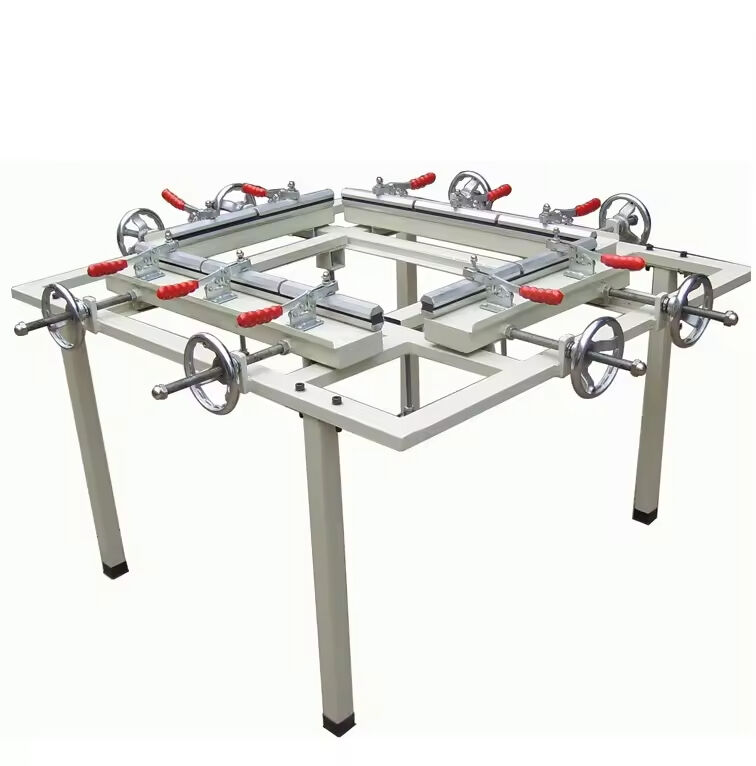
The screen printing industry has evolved significantly over the past decade, with reusable printing screen technology emerging as a game-changing solution for businesses seeking cost-effective and sustainable production methods. A printing screen that can be reclaimed and reused multiple times offers substantial advantages over traditional single-use alternatives, making it an increasingly popular choice among commercial printers, textile manufacturers, and specialty printing operations. Understanding the key benefits of reusable printing screen systems enables businesses to make informed decisions about their equipment investments while optimizing their production workflows for maximum efficiency and profitability.
Economic Advantages of Reusable Printing Screens
Significant Cost Reduction Over Time
The most compelling benefit of implementing a reusable printing screen system lies in its potential for dramatic cost savings across extended production runs. Traditional single-use screens require constant replacement, creating ongoing expenses that can quickly accumulate into substantial operational costs. A high-quality printing screen designed for multiple uses can typically withstand 50 to 200 reclamation cycles, depending on the mesh quality, frame construction, and maintenance practices employed by the printing facility.
Commercial printing operations that process hundreds or thousands of jobs annually find that reusable screens reduce their screen-related expenses by 60 to 80 percent compared to disposable alternatives. The initial investment in premium printing screen materials and reclamation equipment is typically recovered within six to twelve months of regular use, after which the ongoing savings contribute directly to improved profit margins and competitive pricing capabilities.
Enhanced Budget Predictability
Reusable printing screen systems provide businesses with greater financial predictability by converting variable consumable costs into fixed asset investments. Instead of purchasing new screens for each job or production run, companies can establish a stable inventory of reusable screens that serve multiple projects over extended periods. This approach simplifies budgeting processes and reduces the financial uncertainty associated with fluctuating screen costs during peak production periods.
The predictable nature of reusable printing screen costs also enables more accurate job costing and quotation processes, allowing businesses to provide competitive pricing while maintaining healthy profit margins. This financial stability proves particularly valuable for companies operating in markets with tight margins or seasonal demand fluctuations.
Environmental Benefits and Sustainability
Waste Reduction and Resource Conservation
Environmental responsibility has become increasingly important in modern manufacturing, and reusable printing screen technology directly addresses many sustainability concerns associated with traditional screen printing processes. Single-use screens contribute significantly to industrial waste streams, with millions of disposable screens ending up in landfills annually. A properly maintained printing screen that can be reclaimed and reused dozens of times dramatically reduces this waste generation.
The environmental impact extends beyond waste reduction to include conservation of raw materials such as aluminum, mesh materials, and adhesives used in screen construction. By maximizing the useful life of each printing screen, businesses reduce their consumption of these resources while minimizing their overall environmental footprint. Many companies find that implementing reusable screen programs helps them achieve sustainability goals and meet environmental compliance requirements.
Chemical Usage Optimization
Reusable printing screen systems often incorporate advanced reclamation processes that optimize chemical usage and reduce environmental impact. Modern screen reclamation techniques use specialized cleaning agents and processes that effectively remove inks and emulsions while minimizing chemical waste. The controlled reclamation process typically uses fewer chemicals per screen over its lifetime compared to the manufacturing processes required for producing multiple single-use screens.
Additionally, many reclamation systems incorporate chemical recovery and recycling processes that further reduce environmental impact and operational costs. These closed-loop systems capture and reprocess cleaning chemicals, reducing both waste disposal costs and the need for fresh chemical supplies.
Operational Efficiency and Productivity
Streamlined Inventory Management
Implementing a reusable printing screen system significantly simplifies inventory management processes by reducing the variety and quantity of consumable supplies required. Instead of maintaining large inventories of various screen sizes and specifications for single-use applications, businesses can maintain a smaller, more manageable inventory of reusable screens that serve multiple purposes.
The standardization possible with reusable printing screen systems reduces storage requirements and simplifies procurement processes. Facilities can establish optimized screen inventories based on their specific production patterns and requirements, reducing both storage costs and the risk of stockouts during critical production periods. This streamlined approach to inventory management frees up capital and warehouse space for other productive uses.
Improved Production Scheduling
Reusable printing screen systems provide greater flexibility in production scheduling by eliminating the lead times associated with ordering and receiving new screens for each job. Production managers can schedule jobs based on actual capacity and customer requirements rather than screen availability constraints. This flexibility proves particularly valuable for rush orders or last-minute production changes that might otherwise be delayed by screen procurement issues.
The ability to quickly reclaim and prepare printing screen units for subsequent jobs also reduces turnaround times and improves overall equipment utilization rates. Many facilities find that reusable screen systems enable them to increase their daily production capacity by 15 to 25 percent through more efficient screen changeovers and reduced setup times.
Quality and Performance Characteristics
Superior Durability and Consistency
High-quality reusable printing screen systems are engineered for extended service life and consistent performance across multiple production cycles. The frames and mesh materials used in reusable screens are typically manufactured to higher specifications than single-use alternatives, resulting in better dimensional stability, improved ink transfer characteristics, and reduced screen-related print defects.
The consistent performance of a well-maintained printing screen throughout its service life enables more predictable print quality and reduces the variability often associated with switching between different single-use screens during production runs. This consistency proves particularly valuable for applications requiring precise color matching or detailed graphic reproduction where even minor variations in screen characteristics can affect final product quality.
Enhanced Print Definition and Detail
Many reusable printing screen systems utilize advanced mesh technologies and frame construction techniques that provide superior print definition compared to standard single-use screens. The precision manufacturing processes employed in reusable screen production often result in more uniform mesh tension, better mesh-to-frame adhesion, and improved overall screen stability during printing operations.
These enhanced characteristics enable printing operations to achieve finer detail reproduction, smoother gradients, and more accurate color registration across extended production runs. The improved print quality capabilities of reusable screens often allow businesses to expand their service offerings and compete for higher-value printing applications that require superior technical performance.
Maintenance and Longevity Factors
Proper Reclamation Techniques
The success of any reusable printing screen program depends heavily on implementing proper reclamation and maintenance procedures. Effective screen reclamation involves systematic removal of inks, emulsions, and contaminants while preserving the integrity of the mesh and frame components. Professional reclamation equipment and techniques can restore a printing screen to near-original condition, enabling consistent performance across dozens of reuse cycles.
Modern reclamation systems employ controlled chemical processes, ultrasonic cleaning, and specialized brushing techniques to achieve thorough cleaning without damaging screen components. The investment in proper reclamation equipment and training typically pays for itself through extended screen life and improved print quality consistency. Many facilities find that establishing dedicated reclamation workflows and quality control procedures maximizes the return on their reusable printing screen investments.
Storage and Handling Best Practices
Maximizing the service life of reusable printing screen units requires implementing proper storage and handling procedures throughout the production facility. Screens should be stored in clean, dry environments with adequate support to prevent frame warping or mesh damage. Proper handling techniques during transport and installation help prevent accidental damage that could compromise screen performance or reduce service life.
Many successful reusable screen programs include regular inspection schedules to identify potential issues before they affect print quality or require complete screen replacement. These preventive maintenance approaches help facilities achieve maximum return on their printing screen investments while maintaining consistent production quality standards.
Implementation Strategies for Different Business Types
Small to Medium Printing Operations
Small and medium-sized printing businesses can realize significant benefits from reusable printing screen systems, even with limited production volumes. The key to successful implementation lies in selecting appropriate screen specifications and establishing efficient reclamation workflows that match the facility's production patterns and capabilities. Many smaller operations find that partnering with specialized reclamation service providers offers cost-effective access to professional cleaning and restoration services without requiring substantial equipment investments.
For businesses with moderate screen printing volumes, the transition to reusable screens should focus on high-volume or repeat applications where the benefits are most apparent. Starting with a subset of reusable screens for core applications allows businesses to develop experience and optimize their processes before expanding the program to cover their full range of printing screen requirements.
Large Scale Commercial Operations
Large commercial printing operations typically achieve the most dramatic benefits from comprehensive reusable printing screen programs due to their high volume requirements and economies of scale. These facilities can justify investments in dedicated reclamation equipment, specialized handling systems, and trained personnel to maximize the efficiency and cost-effectiveness of their reusable screen programs.
Industrial-scale operations often integrate reusable printing screen systems with advanced production management software to optimize screen utilization, schedule reclamation activities, and track screen performance over time. This systematic approach enables continuous improvement in screen management processes and helps identify opportunities for further cost reduction and efficiency gains.
FAQ
How many times can a reusable printing screen typically be reclaimed and reused
A high-quality reusable printing screen can typically be reclaimed and reused between 50 to 200 times, depending on the mesh type, frame construction quality, ink types used, and reclamation procedures employed. Aluminum frames with premium mesh materials generally provide longer service life than economy alternatives, while proper cleaning and handling techniques significantly extend screen longevity.
What are the initial investment costs for transitioning to reusable printing screens
The initial investment for reusable printing screen systems typically costs 20 to 40 percent more than single-use alternatives, but this investment is usually recovered within 6 to 12 months through reduced ongoing screen costs. Additional investments may be required for reclamation equipment and training, but most facilities find that the total cost of ownership decreases significantly over time with proper implementation.
Do reusable printing screens work with all types of inks and printing applications
Reusable printing screens are compatible with most standard screen printing inks and applications, though some specialty inks or aggressive chemical formulations may reduce screen life. UV-curable inks, plastisols, and water-based inks generally work well with reusable screen systems, while certain industrial or chemical-resistant inks may require special consideration in screen selection and reclamation procedures.
How do reusable screens compare to single-use screens in terms of print quality
Well-maintained reusable printing screens typically provide equal or superior print quality compared to single-use alternatives due to their premium construction and consistent performance characteristics. The higher-quality mesh and frame materials used in reusable screens often result in better ink transfer, improved detail reproduction, and more consistent results across extended production runs.
Table of Contents
- Economic Advantages of Reusable Printing Screens
- Environmental Benefits and Sustainability
- Operational Efficiency and Productivity
- Quality and Performance Characteristics
- Maintenance and Longevity Factors
- Implementation Strategies for Different Business Types
-
FAQ
- How many times can a reusable printing screen typically be reclaimed and reused
- What are the initial investment costs for transitioning to reusable printing screens
- Do reusable printing screens work with all types of inks and printing applications
- How do reusable screens compare to single-use screens in terms of print quality