 EN
EN
Building a custom printing screen is an essential skill for any screen printing professional or enthusiast looking to achieve high-quality results. A well-constructed printing screen forms the foundation of successful screen printing operations, whether you're working with textiles, graphics, or industrial applications. The process involves careful selection of materials, precise assembly techniques, and proper tensioning to ensure optimal ink transfer and print quality. Understanding the fundamentals of printing screen construction enables you to customize screens for specific projects while maintaining professional standards throughout your printing workflow.
Essential Materials and Tools for Printing Screen Construction
Frame Selection and Specifications
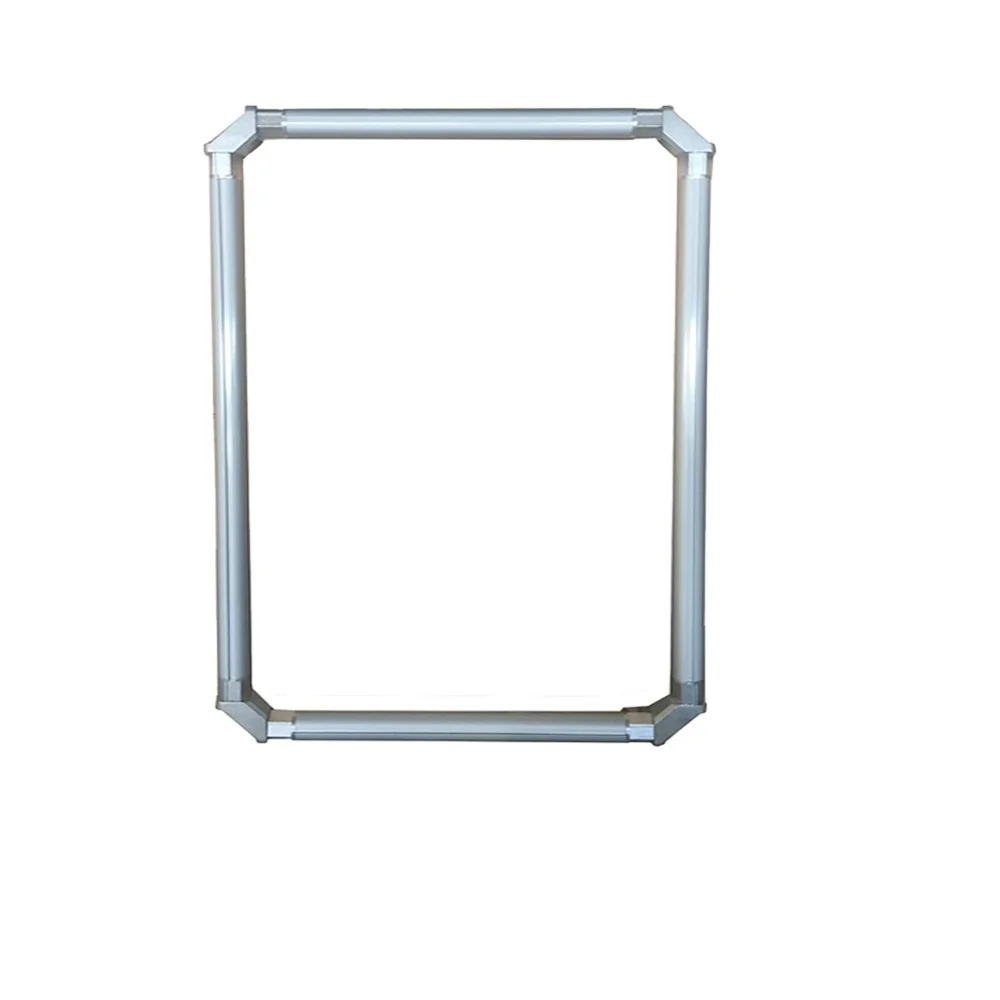
The frame serves as the backbone of your printing screen, providing structural integrity and maintaining proper mesh tension. Aluminum frames offer superior durability and dimensional stability compared to wooden alternatives. When selecting a frame, consider the printing screen dimensions required for your specific applications. Professional-grade frames feature beveled edges that prevent mesh damage and ensure consistent tension distribution across the entire screen surface.
Frame thickness plays a crucial role in printing screen performance, with thicker profiles providing better stability for high-tension applications. The internal dimensions should accommodate your largest design while leaving adequate margin space for proper squeegee movement. Quality frames incorporate corner reinforcements and precision-machined surfaces that eliminate potential stress concentration points during the stretching process.
Mesh Selection and Characteristics
Mesh selection directly impacts the printing screen's performance characteristics and determines the quality of your final prints. Polyester mesh offers excellent chemical resistance and dimensional stability, making it ideal for most screen printing applications. The mesh count, measured in threads per inch, determines ink deposit thickness and detail resolution. Lower mesh counts allow heavier ink deposits, while higher counts enable finer detail reproduction and thinner ink films.
Mesh tension requirements vary depending on the intended application and ink system. Proper tension ensures uniform ink transfer and prevents image distortion during the printing process. White mesh provides better visibility during screen preparation, while yellow mesh reduces light scatter during photoemulsion exposure. The mesh-to-frame adhesion system must provide permanent bonding while maintaining consistent tension throughout the printing screen's operational life.
Step-by-Step Screen Assembly Process
Frame Preparation and Surface Treatment
Proper frame preparation ensures optimal adhesion between the mesh and frame surface. Begin by thoroughly cleaning the frame with degreasing agents to remove manufacturing oils and contaminants. Surface roughening using fine sandpaper or chemical etching creates mechanical bonding sites that improve adhesion strength. The frame's interior corners should be smooth and rounded to prevent mesh damage during stretching operations.
Apply primer or adhesion promoter to the frame surface according to manufacturer specifications. This chemical treatment enhances the bond between the frame material and the adhesive system. Allow proper curing time before proceeding with mesh attachment to ensure maximum bond strength. The printing screen frame must be completely clean and dry before beginning the stretching process.
Mesh Stretching and Tensioning Techniques
Achieving proper mesh tension is critical for printing screen performance and longevity. Manual stretching requires careful attention to tension distribution and gradual tightening to prevent mesh distortion. Begin by centering the mesh over the frame and securing one side with moderate tension. Work systematically around the frame, maintaining consistent tension levels while avoiding excessive stress concentrations.
Professional stretching systems provide precise tension control and eliminate human error from the process. These systems ensure uniform tension distribution across the entire printing screen surface. Monitor tension levels using appropriate measurement tools and adjust as necessary to achieve target specifications. Proper tensioning prevents mesh movement during printing and ensures consistent ink deposit characteristics.
Quality Control and Testing Procedures
Tension Measurement and Verification
Accurate tension measurement validates the printing screen construction quality and predicts performance characteristics. Digital tension meters provide precise readings across multiple measurement points, ensuring uniform tension distribution. Document tension values for future reference and quality control purposes. Variations exceeding acceptable tolerances indicate potential issues with the stretching process or frame preparation.
Perform tension measurements at regular intervals during the curing process to monitor adhesive performance. Some tension loss is normal as the adhesive reaches full cure strength. Excessive tension loss may indicate inadequate frame preparation or improper adhesive selection. The printing screen should maintain stable tension values throughout its operational life under normal usage conditions.
Screen Integrity and Performance Assessment
Visual inspection reveals potential defects that could impact printing screen performance. Examine the mesh surface for snags, holes, or contamination that might affect ink flow or print quality. Check frame-to-mesh adhesion by applying gentle pressure along the perimeter. Proper bonding should show no signs of separation or lifting under normal handling stress.
Conduct performance testing using appropriate test patterns and ink systems. Evaluate print uniformity, edge definition, and ink deposit characteristics across the entire printing screen area. Document test results for comparison with established standards and future performance monitoring. A properly constructed printing screen should demonstrate consistent performance characteristics throughout its operational range.
Maintenance and Troubleshooting
Preventive Care Strategies
Regular maintenance extends printing screen life and maintains consistent performance standards. Clean screens immediately after use to prevent ink residue buildup and chemical degradation. Use appropriate cleaning solvents and techniques that remove contaminants without damaging the mesh structure. Avoid abrasive cleaning methods that could weaken the mesh or damage the frame-to-mesh bond.
Store printing screens in vertical racks that prevent mesh contact and potential damage. Control environmental conditions to minimize temperature and humidity fluctuations that could affect tension stability. Regular inspection identifies developing issues before they impact print quality or screen integrity. Proper storage and handling practices significantly extend printing screen operational life.
Common Issues and Solutions
Tension loss represents the most common printing screen problem, typically resulting from improper frame preparation or adhesive failure. Monitor tension levels regularly and address decreases promptly to maintain print quality. Re-tensioning may be possible in some cases, but complete screen replacement is often more cost-effective. Prevent tension loss through proper construction techniques and quality materials.
Mesh damage can occur through improper handling, excessive squeegee pressure, or chemical exposure. Small holes can be temporarily patched using appropriate repair materials, but extensive damage requires screen replacement. The printing screen's mesh integrity directly impacts print quality and consistency, making prompt repair or replacement essential for maintaining production standards.
Advanced Techniques and Considerations
Specialized Applications and Requirements
High-precision applications demand enhanced printing screen construction techniques and materials. Fine-line work requires higher mesh counts and superior tension control to achieve required resolution standards. Specialty inks and substrates may necessitate specific mesh treatments or frame modifications to ensure compatibility and performance.
Industrial printing environments impose additional requirements on printing screen construction. Chemical resistance, temperature stability, and extended operational life become critical factors in material selection and assembly techniques. Automated printing systems require consistent screen specifications and dimensional accuracy to maintain production efficiency and quality standards.
Cost Optimization and Efficiency Improvements
Bulk purchasing of materials and standardizing frame sizes reduces printing screen construction costs while maintaining quality standards. Implementing quality control procedures minimizes defective screens and associated waste. Training personnel in proper construction techniques ensures consistent results and reduces the need for rework or premature replacement.
Automated construction equipment improves consistency while reducing labor costs for high-volume operations. The initial investment in professional stretching and tensioning equipment pays dividends through improved screen quality and reduced construction time. A well-designed printing screen construction process balances quality requirements with economic considerations to achieve optimal operational efficiency.
FAQ
What tension level should I target when building a custom printing screen
Target tension levels vary depending on mesh count and application requirements, but generally range from 20-35 Newtons per centimeter for most screen printing applications. Higher mesh counts typically require higher tensions to maintain proper ink flow characteristics. Monitor tension using calibrated measurement tools and adjust according to your specific printing screen performance requirements. Consistent tension across the entire screen surface is more important than achieving maximum values.
How do I choose the right mesh count for my printing screen project
Mesh count selection depends on your ink system, substrate, and desired print characteristics. Lower counts (80-160 mesh) work well for heavy ink deposits and opaque colors, while higher counts (200-400 mesh) enable fine detail and process color work. Consider the printing screen's intended application and ink viscosity when making mesh selection decisions. Consult with ink manufacturers for specific recommendations based on your printing requirements.
Can I reuse frames from damaged printing screens
Quality aluminum frames can often be reused after proper cleaning and surface preparation. Remove all adhesive residue using appropriate solvents and mechanical methods. Inspect the frame for damage, warping, or stress cracks that could compromise the new printing screen's performance. Properly maintained frames can be reused multiple times, providing significant cost savings over purchasing new frames for each screen.
What causes uneven tension in a printing screen and how can I prevent it
Uneven tension typically results from improper stretching techniques, inadequate frame preparation, or frame geometry issues. Prevent uneven tension by using systematic stretching procedures that gradually increase tension in small increments across all sides. Ensure frame surfaces are properly prepared and free from contamination that could affect adhesion. Professional stretching equipment eliminates most human error factors that contribute to tension variations in printing screen construction.