 EN
EN
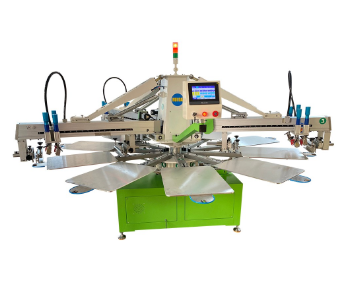
High-volume textile production faces mounting pressures to deliver consistent quality while maintaining cost-effectiveness and meeting tight deadlines. The decision between manual and automated printing solutions becomes critical when production volumes reach industrial scales. An automatic screen printer transforms production capabilities by addressing the fundamental challenges that limit manual operations, offering measurable advantages that directly impact profitability and operational efficiency.
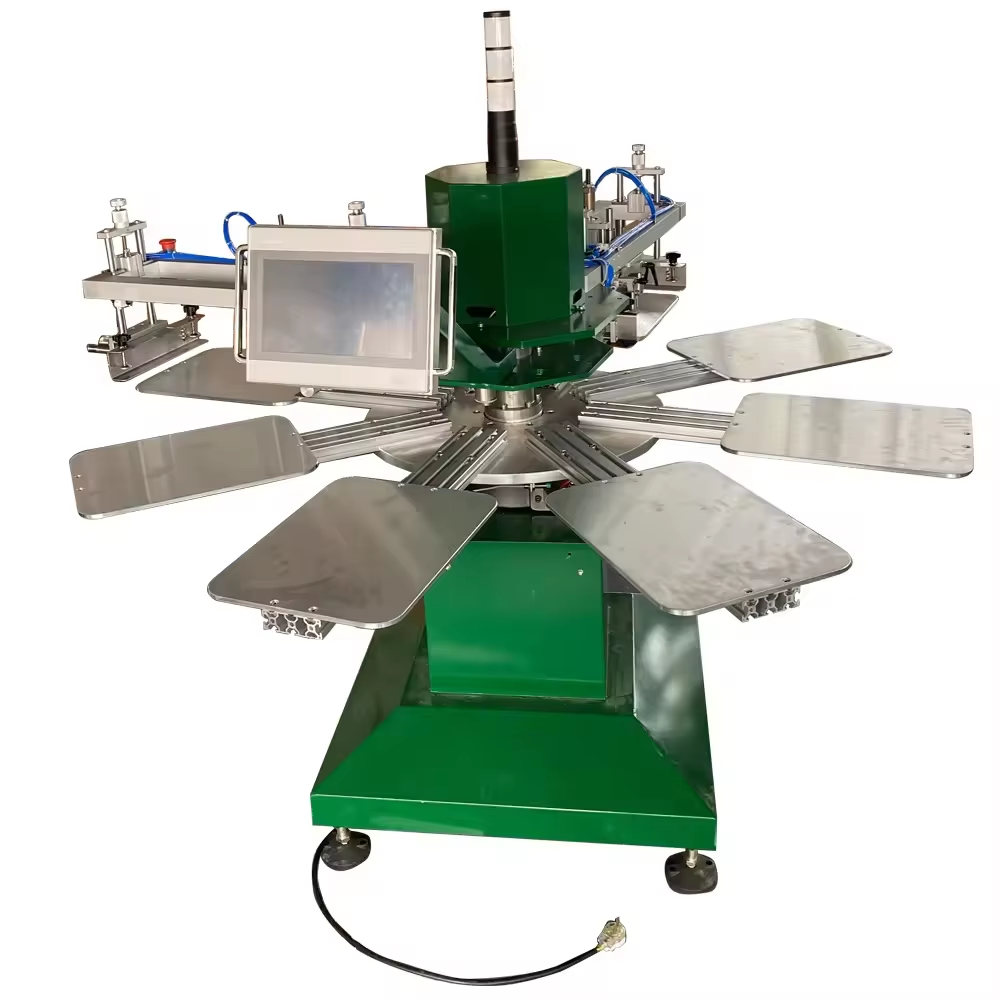
The shift to automated screen printing represents more than just equipment upgrade—it fundamentally restructures production workflows to eliminate bottlenecks inherent in manual processes. Understanding these advantages enables production managers to make informed decisions about capacity expansion, quality improvement, and competitive positioning in demanding markets where precision and speed determine success.
Production Speed and Throughput Enhancement
Cycle Time Reduction Through Automation
An automatic screen printer dramatically reduces cycle times by eliminating manual handling between stations. Where manual operations require operators to physically move garments and coordinate multiple printing stations, automated systems execute these movements with mechanical precision. This automation typically reduces per-piece processing time by 60-70% compared to manual operations, directly translating to higher hourly output rates.
The continuous workflow enabled by automatic screen printer systems eliminates the stop-start patterns common in manual production. Each station operates in synchronized sequence, ensuring steady material flow without the delays caused by human coordination requirements. This consistent rhythm allows production facilities to accurately predict completion times and optimize scheduling across multiple orders.
Multi-station automatic systems can handle complex multi-color designs without proportional increases in processing time. Where manual operations face exponential time increases with additional colors, automated systems maintain consistent cycle times regardless of design complexity, making intricate prints economically viable for high-volume production.
Continuous Operation Capabilities
Extended operating periods become achievable with automatic screen printer technology, as mechanical systems don't experience fatigue or require frequent breaks. Production facilities can maintain consistent output rates throughout extended shifts, enabling 16-20 hour operational windows that would be impossible with manual labor-dependent processes.
The predictable nature of automated operations allows for precise capacity planning and resource allocation. Production managers can calculate exact throughput rates based on machine specifications rather than variable human performance factors, enabling more accurate delivery commitments and inventory planning.
Automated systems also facilitate lights-out production scenarios for certain applications, where minimal supervision is required during operation. This capability extends effective production hours beyond standard shift patterns, maximizing equipment utilization and reducing per-unit fixed costs.
Quality Consistency and Print Precision
Uniform Registration and Color Accuracy
Registration precision represents one of the most significant advantages of automatic screen printer systems in high-volume production. Mechanical positioning systems ensure exact screen alignment across thousands of impressions, eliminating the variations inherent in manual screen handling. This precision becomes critical when producing multi-color designs where even minor registration errors create quality defects.
Color consistency across large production runs improves dramatically with automated ink application. Pneumatic squeegee systems deliver uniform pressure and speed across the entire print area, ensuring consistent ink deposit from the first impression to the last. This mechanical consistency eliminates the color variations that occur when multiple operators handle printing tasks or when operator fatigue affects print quality.
The repeatability of automated systems means that print specifications established during setup remain constant throughout the entire production run. This consistency reduces waste from quality defects and enables production facilities to meet strict brand standards required by major retailers and corporate clients.
Reduced Human Error Variables
Automated printing processes eliminate many sources of human error that affect product quality in manual operations. Screen lifting, garment positioning, and ink application occur through programmed mechanical movements that don't vary based on operator experience level or attention span. This standardization ensures that quality remains consistent regardless of which shift produces the order.
The controlled environment of an automatic screen printer reduces contamination risks that can affect print quality. Automated systems maintain consistent workspace conditions and minimize opportunities for debris or moisture to interfere with the printing process, resulting in cleaner prints and fewer rejection rates.
Documentation and traceability improve with automated systems that can log operational parameters for each production run. This data enables quality control teams to identify and correct process variations before they affect large quantities of product, supporting continuous improvement initiatives.
Labor Efficiency and Cost Optimization
Workforce Requirements and Skill Allocation
High-volume production with automatic screen printer systems requires fewer operators per unit of output compared to manual processes. A single skilled operator can typically manage an automated system that would require three to four manual operators, reducing labor costs while improving productivity metrics. This efficiency becomes particularly valuable in markets with high labor costs or skilled worker shortages.
The skill requirements shift from physical dexterity and stamina to technical understanding and process optimization. Operators focus on setup, monitoring, and quality control rather than repetitive manual tasks, creating opportunities for workforce development and higher-value job functions within the production facility.
Training requirements become more standardized with automated systems, as operators learn to work with consistent mechanical processes rather than developing individual printing techniques. This standardization reduces training time for new employees and ensures more predictable performance across different operators.
Overhead and Variable Cost Management
The fixed cost nature of automatic screen printer equipment spreads across higher production volumes, reducing per-unit overhead costs as production scales increase. This cost structure advantage becomes more pronounced at higher volumes where the depreciation and maintenance costs of automated equipment represent smaller percentages of total production costs.
Energy consumption per unit typically decreases with automated systems due to efficient operation patterns and optimized heating cycles. Automated temperature control and reduced setup times minimize energy waste associated with maintaining printing conditions, contributing to lower variable costs per printed piece.
Reduced waste from improved quality consistency translates directly to material cost savings. The precision and repeatability of automated systems minimize ink waste, reduce garment spoilage, and decrease rework requirements, improving overall material utilization rates.
Scalability and Production Flexibility
Volume Expansion Capabilities
Automatic screen printer systems provide clear pathways for production volume expansion without proportional increases in facility requirements or workforce. The modular nature of many automated systems allows facilities to add printing stations or increase operating speeds as demand grows, providing scalable solutions that can adapt to business growth.
The predictable output rates of automated systems enable accurate capacity planning for business expansion. Production managers can calculate exact throughput increases from equipment upgrades, supporting informed investment decisions and growth planning initiatives.
Multi-product capabilities allow automatic screen printer systems to handle diverse order types within the same production setup. Quick changeover features enable facilities to switch between different products or designs with minimal downtime, maximizing equipment utilization across varied production requirements.
Order Management and Scheduling Advantages
The predictable timing of automated production enables more sophisticated order scheduling and delivery planning. Production facilities can commit to specific delivery dates with greater confidence, knowing that automated systems will maintain consistent production rates regardless of external variables.
Rush order capabilities improve with automated systems that can quickly scale production rates for urgent requirements. The ability to extend operating hours without proportional increases in labor costs provides flexibility for accommodating emergency orders or seasonal demand spikes.
Integration capabilities with production management systems allow automatic screen printer operations to connect with broader manufacturing execution systems, enabling real-time production monitoring and automated reporting that supports lean manufacturing principles.
FAQ
How much faster is an automatic screen printer compared to manual printing?
An automatic screen printer typically operates 3-5 times faster than manual printing processes, with cycle times ranging from 15-30 seconds per piece compared to 60-120 seconds for manual operations. The exact speed advantage depends on design complexity, garment type, and the specific equipment configuration, but most facilities see 200-400% productivity increases when switching to automated systems.
What minimum production volumes justify investing in an automatic screen printer?
The break-even point for automatic screen printer investment typically occurs around 500-1000 pieces per day, depending on local labor costs and equipment pricing. Facilities producing 2000+ pieces daily see the most significant return on investment, as the fixed costs of automation spread across higher volumes while labor savings compound. However, quality requirements and delivery timeline pressures may justify automation at lower volumes for specialized applications.
Can automatic screen printers handle the same variety of garments as manual printing?
Modern automatic screen printer systems accommodate most standard garment types including t-shirts, hoodies, tank tops, and other flat textile products. However, highly specialized items like hats, bags, or unusually thick materials may require manual processes or specialized automated equipment. The key limitation is garment thickness and shape rather than material type, with most automatic systems handling items up to 1-2 inches thick effectively.
What maintenance requirements do automatic screen printers have?
Automatic screen printer systems require daily cleaning, weekly lubrication of moving parts, and monthly calibration checks to maintain optimal performance. Preventive maintenance schedules typically involve 2-4 hours weekly for routine tasks, with quarterly professional service visits recommended. Properly maintained equipment can operate reliably for 10-15 years with consistent performance, making maintenance costs predictable and manageable within production budgets.
Table of Contents
- Production Speed and Throughput Enhancement
- Quality Consistency and Print Precision
- Labor Efficiency and Cost Optimization
- Scalability and Production Flexibility
-
FAQ
- How much faster is an automatic screen printer compared to manual printing?
- What minimum production volumes justify investing in an automatic screen printer?
- Can automatic screen printers handle the same variety of garments as manual printing?
- What maintenance requirements do automatic screen printers have?