 EN
EN
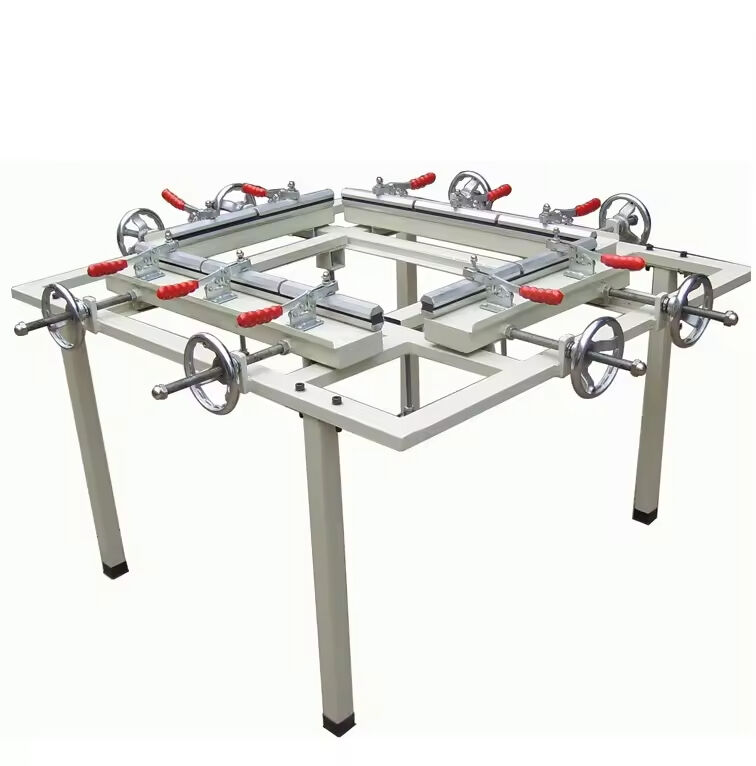
Screen printing has revolutionized the way businesses and individuals create custom designs on various materials, from textiles to promotional items. At the heart of this versatile printing method lies the printing screen, a fundamental component that determines the quality and precision of your final output. Understanding what a printing screen is and how it functions can help you make informed decisions about your printing projects, whether you're a DIY enthusiast or a professional in the industry. This comprehensive guide explores the essential aspects of printing screens, their construction, applications, and benefits in modern manufacturing and creative processes.
Understanding the Basic Components of a Printing Screen
Frame Construction and Materials
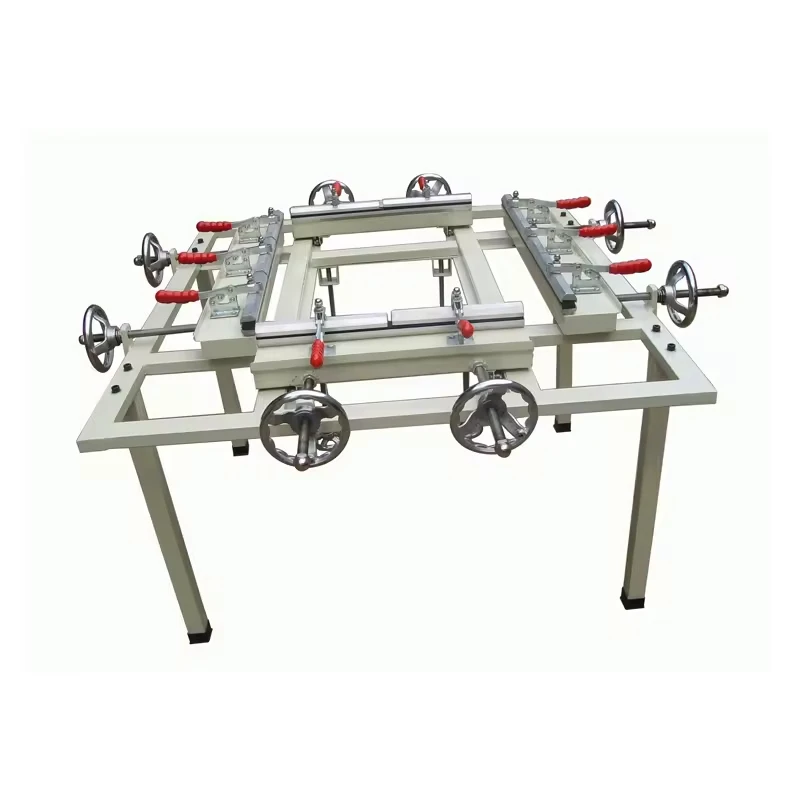
The foundation of any effective printing screen begins with its frame, which provides structural support and maintains tension throughout the printing process. Modern printing screen frames are typically constructed from aluminum, wood, or steel, each offering distinct advantages depending on the application. Aluminum frames are lightweight, corrosion-resistant, and provide excellent dimensional stability, making them ideal for high-volume commercial operations. Wooden frames offer a cost-effective solution for smaller projects and DIY applications, while steel frames provide maximum durability for heavy-duty industrial use.
The frame's dimensions directly impact the size and scope of your printing capabilities. Standard printing screen sizes range from small 9x9 inch formats suitable for detailed work to large industrial screens measuring several feet across. The frame's depth, typically ranging from 1 to 2 inches, affects the screen's ability to maintain proper tension and clearance during the printing process. Proper frame selection ensures optimal performance and longevity of your printing screen system.
Mesh Specifications and Selection
The mesh component of a printing screen serves as the foundation for image reproduction and ink transfer. Screen printing mesh is characterized by its thread count, measured in threads per inch, which determines the level of detail possible in your printed design. Lower mesh counts, ranging from 86 to 156 threads per inch, are suitable for bold graphics and heavy ink deposits, while higher counts of 200 to 400 threads per inch enable fine detail reproduction and smooth color gradients.
Mesh materials have evolved significantly, with modern polyester and nylon options offering superior durability and chemical resistance compared to traditional silk. The mesh tension, measured in Newtons per centimeter, must be carefully maintained to ensure consistent printing results. A properly tensioned printing screen mesh prevents image distortion, ensures accurate registration, and extends the screen's operational lifespan. Professional screen preparation involves achieving uniform tension across the entire mesh surface, typically ranging from 15 to 25 Newtons per centimeter depending on the mesh count and application requirements.
Applications and Industry Uses
Textile and Apparel Manufacturing
The textile industry represents one of the largest applications for printing screen technology, encompassing everything from custom t-shirt production to high-fashion garment decoration. In textile applications, the printing screen must accommodate various fabric types, ink formulations, and design complexities while maintaining consistent quality across production runs. Cotton, polyester, and blended fabrics each present unique challenges that require specific mesh selections and printing parameters to achieve optimal results.
Modern textile printing operations utilize multiple printing screen configurations to achieve complex multi-color designs and special effects. Water-based inks, plastisols, and specialty formulations each interact differently with the printing screen mesh, requiring careful consideration of mesh count, emulsion type, and squeegee durometer. The ability to achieve consistent color matching and registration across multiple screens makes this printing method invaluable for brand consistency and quality control in commercial textile production.
Industrial and Commercial Applications
Beyond textiles, printing screen technology serves numerous industrial applications where precision and durability are paramount. Electronics manufacturing relies on fine-mesh screens for applying conductive inks, solder pastes, and protective coatings to circuit boards and components. The automotive industry uses printing screens for dashboard graphics, control panel labeling, and decorative trim elements that must withstand extreme temperatures and environmental conditions.
Packaging and promotional product industries leverage printing screen capabilities to create eye-catching graphics on bottles, containers, and marketing materials. The versatility of screen printing allows for printing on curved surfaces, textured materials, and non-traditional substrates that other printing methods cannot accommodate. This adaptability has made printing screens essential tools in industries ranging from ceramics and glass decoration to signage and architectural applications.
Technical Considerations and Setup Requirements
Emulsion and Stencil Preparation
Creating an effective printing screen requires proper emulsion application and stencil preparation techniques that directly impact print quality and production efficiency. Photo-sensitive emulsions form the foundation of the image area, hardening when exposed to UV light and remaining water-soluble in unexposed areas. The emulsion coating process must achieve uniform thickness across the entire printing screen surface, typically requiring multiple coats applied with a scoop coater or automated coating system.
Stencil preparation involves exposing the coated printing screen through a positive film or digital transparency using calibrated UV light sources. Exposure times vary based on emulsion type, mesh count, and light source intensity, requiring careful testing to achieve optimal results. Under-exposed screens result in poor stencil adhesion and premature breakdown, while over-exposure can cause loss of fine detail and reduced ink flow. Proper washout techniques remove unexposed emulsion while preserving stencil integrity, creating clean, sharp image edges essential for professional-quality printing.
Registration and Alignment Systems
Accurate registration becomes critical when using multiple printing screens for multi-color designs or when achieving precise placement on specific substrates. Registration systems range from simple manual alignment guides to sophisticated computer-controlled positioning systems that ensure consistent placement within tolerances measured in fractions of a millimeter. Micro-registration adjustments allow fine-tuning of printing screen position during production, compensating for material variations and environmental factors.
Modern printing screen registration systems incorporate digital measurement tools and automated feedback mechanisms that maintain accuracy throughout extended production runs. These systems monitor substrate position, printing screen alignment, and ink deposit characteristics in real-time, making automatic adjustments to maintain quality standards. The integration of digital technology with traditional printing screen methods has significantly improved productivity and reduced waste in commercial printing operations.
Maintenance and Longevity Factors
Cleaning and Reclamation Processes
Proper maintenance extends the operational life of a printing screen while maintaining consistent print quality throughout its service period. Immediate post-printing cleaning removes ink residues and prevents clogging of mesh openings that could affect subsequent printing sessions. Different ink types require specific cleaning solvents and techniques, with water-based inks generally requiring aqueous solutions while solvent-based inks need compatible organic cleaners.
Screen reclamation involves removing the emulsion stencil to prepare the printing screen for new image applications. Chemical emulsion removers dissolve the hardened stencil material while preserving mesh integrity, followed by dehazing treatments that remove any residual stains or ghost images. Proper reclamation techniques can allow a single printing screen to be reused dozens of times, making it a cost-effective solution for variable printing requirements. Regular inspection for mesh damage, frame integrity, and tension loss helps identify screens requiring replacement before they impact print quality.
Storage and Handling Best Practices
Proper storage conditions significantly impact the longevity and performance of printing screen equipment. Screens should be stored in controlled environments away from direct sunlight, extreme temperatures, and chemical vapors that could degrade mesh materials or emulsion coatings. Vertical storage racks prevent frame warping and mesh distortion while providing easy access for production scheduling and inventory management.
Handling procedures must minimize stress on the printing screen structure while ensuring worker safety and production efficiency. Training programs should cover proper lifting techniques, transportation methods, and installation procedures that prevent damage to both equipment and personnel. Regular maintenance schedules should include tension testing, frame inspection, and mesh condition assessment to identify potential issues before they impact production quality or cause equipment failure.
Advantages and Benefits in Modern Printing
Cost-Effectiveness and Scalability
The economic advantages of printing screen technology become particularly evident in medium to high-volume production scenarios where setup costs can be amortized across multiple units. Unlike digital printing methods that charge per impression, screen printing offers consistent per-unit costs regardless of design complexity, making it ideal for large orders and repeat productions. The initial investment in printing screen preparation is offset by the ability to produce hundreds or thousands of impressions from a single screen setup.
Scalability represents another significant advantage, as printing screen operations can be expanded from simple manual presses to fully automated production lines capable of processing thousands of items per hour. The modular nature of screen printing equipment allows businesses to grow their capabilities incrementally, adding colors, stations, and automation as demand increases. This flexibility makes printing screen technology suitable for businesses ranging from start-up operations to major manufacturing facilities.
Quality and Durability Characteristics
Printing screen applications consistently deliver superior ink opacity and color saturation compared to many alternative printing methods. The direct ink transfer process allows for heavy ink deposits that create vibrant colors and excellent coverage on both light and dark substrates. Special effect inks, including metallics, fluorescents, and textured formulations, work particularly well with printing screen applications, enabling unique visual and tactile effects impossible with other printing technologies.
The durability of screen-printed products often exceeds that of digitally printed alternatives, particularly when appropriate ink systems are selected for specific applications. Properly cured screen-printed graphics resist fading, cracking, and wear better than many competing technologies, making them ideal for outdoor applications, industrial environments, and products requiring long service life. This durability advantage makes printing screen technology the preferred choice for applications where longevity and appearance retention are critical factors.
FAQ
What materials can be printed using a printing screen
A printing screen can accommodate an extensive range of materials including textiles, plastics, metals, glass, ceramics, and wood. The versatility of screen printing allows for applications on flat surfaces, curved objects, and even textured substrates. Material compatibility depends on ink selection and curing requirements, with specialized formulations available for challenging surfaces like polyethylene, polypropylene, and treated metals. The key is matching the appropriate ink system to the substrate while considering factors such as adhesion, flexibility, and environmental resistance requirements.
How long does a printing screen typically last
The lifespan of a printing screen varies significantly based on usage patterns, maintenance practices, and operating conditions. With proper care, a quality printing screen can produce thousands of impressions and be reclaimed for new designs dozens of times. Factors affecting longevity include mesh quality, frame construction, ink types used, and cleaning procedures. Professional-grade screens in commercial operations often remain serviceable for months or even years with regular maintenance, while screens used with abrasive inks or in harsh environments may require more frequent replacement.
Can a printing screen be used for multiple colors
Multi-color printing requires separate printing screens for each color in the design, with each screen containing only the image areas corresponding to that specific color. Registration systems ensure precise alignment between colors, creating the final composite image. While a single printing screen cannot simultaneously print multiple colors, the screen printing process excels at producing vibrant multi-color designs through sequential color application. Modern registration systems make it possible to achieve extremely tight color registration, enabling complex designs with numerous colors and fine detail work.
What is the difference between manual and automatic printing screen systems
Manual printing screen systems require operator intervention for each print cycle, including substrate placement, squeegee stroke execution, and screen lifting. These systems offer flexibility and lower initial costs but have limited production speeds. Automatic systems mechanize these functions, providing consistent pressure, speed, and timing while dramatically increasing production rates. Automatic printing screen equipment often includes features like programmable stroke lengths, variable pressure control, and integrated curing systems. The choice between manual and automatic systems depends on production volume requirements, quality consistency needs, and available investment capital.