 EN
EN
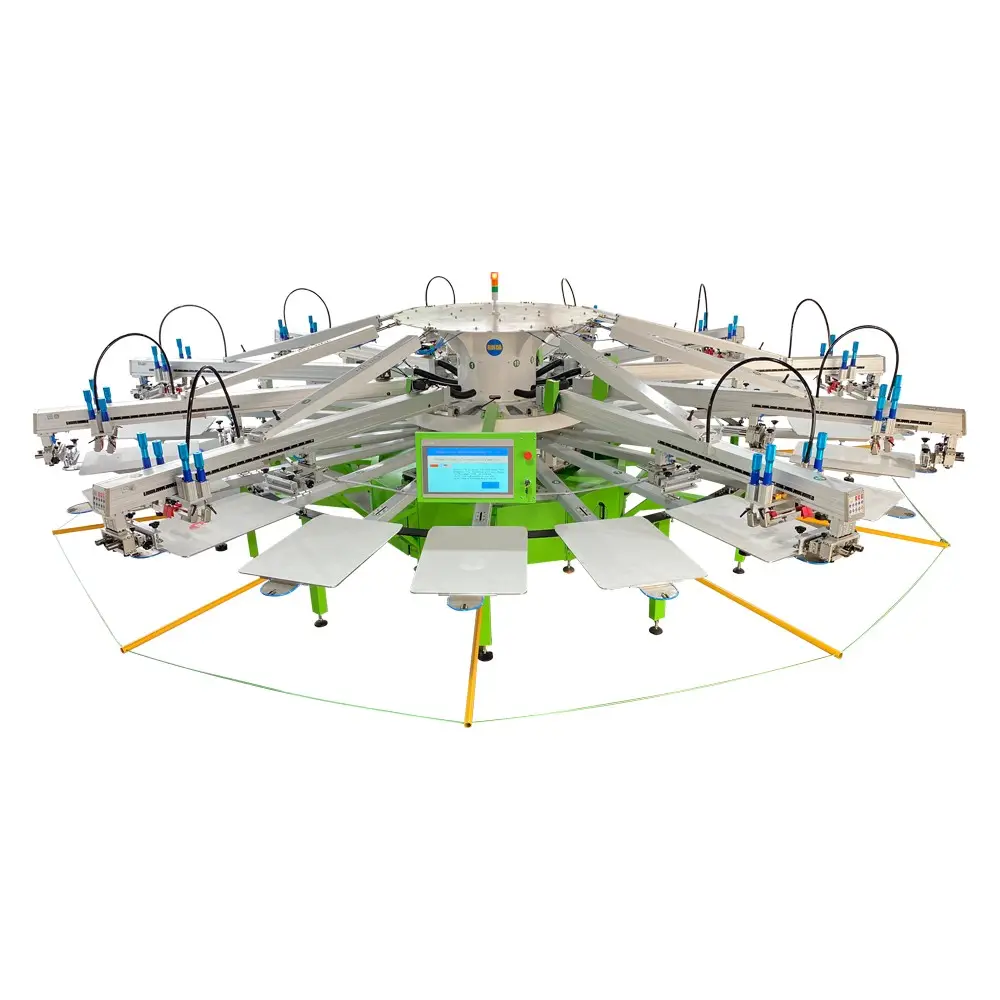
The selection of appropriate materials for a printing machine screen is fundamental to achieving consistent, high-quality print results across various industrial applications. Modern printing operations rely heavily on the performance characteristics of these screens, which serve as the critical interface between ink and substrate. Understanding the material composition, properties, and applications of different printing machine screen options enables manufacturers to optimize their production processes and achieve superior print quality. The choice of screen material directly impacts ink flow, durability, print resolution, and overall operational efficiency in commercial printing environments.
Synthetic Mesh Materials in Screen Manufacturing
Polyester Mesh Construction
Polyester represents the most widely used material in printing machine screen construction due to its exceptional dimensional stability and chemical resistance. This synthetic polymer offers consistent mesh opening sizes and maintains structural integrity under varying temperature conditions. Polyester screens demonstrate excellent ink flow characteristics while providing precise image reproduction capabilities. The material's inherent strength allows for higher tension levels during screen preparation, resulting in improved print registration and reduced ink bleeding. Manufacturing processes utilize high-grade polyester fibers that are woven into precise mesh configurations to meet specific printing requirements.
The durability of polyester printing machine screen materials extends operational lifecycles significantly compared to natural fiber alternatives. These screens resist stretching and maintain their original dimensions throughout extended production runs. Chemical compatibility with various ink formulations makes polyester screens suitable for diverse printing applications, from textile printing to electronic component manufacturing. The material's low moisture absorption properties prevent dimensional changes in humid environments, ensuring consistent print quality regardless of atmospheric conditions.
Nylon Mesh Applications
Nylon offers superior elasticity and abrasion resistance in specialized printing machine screen applications where flexibility is paramount. This synthetic material provides exceptional durability in high-volume printing operations while maintaining excellent ink transfer properties. Nylon screens demonstrate remarkable resistance to tearing and puncturing, making them ideal for aggressive squeegee pressures and automated printing systems. The material's inherent stretch characteristics allow for easier screen tensioning and reduced frame stress during installation processes.
Industrial applications often favor nylon printing machine screen materials for their ability to withstand harsh chemical environments and aggressive cleaning procedures. The material's molecular structure provides enhanced resistance to alkaline solutions and organic solvents commonly used in screen cleaning processes. Nylon's smooth surface texture facilitates efficient ink release while minimizing mesh marking on printed substrates. These characteristics make nylon screens particularly valuable in precision printing applications where surface quality is critical.
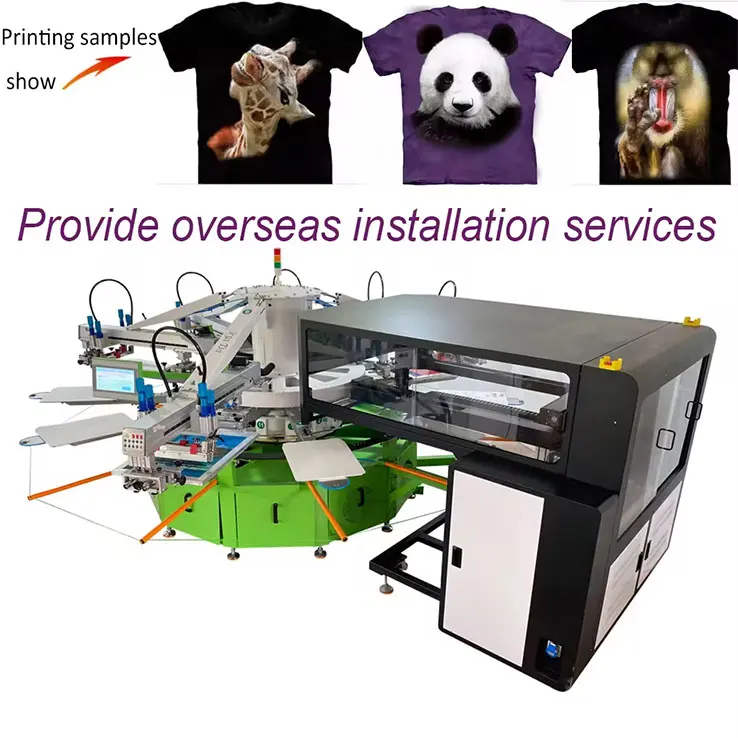
Stainless Steel Screen Technologies
Precision Woven Steel Mesh
Stainless steel represents the premium material choice for printing machine screen applications requiring extreme precision and durability. These screens feature precisely woven wire mesh construction that delivers exceptional dimensional accuracy and consistent opening sizes. The material's inherent strength allows for extremely high tension levels, resulting in superior print registration and reduced ink spread. Stainless steel screens maintain their structural properties under extreme temperature variations, making them suitable for specialized industrial printing processes.
The corrosion resistance of stainless steel printing machine screen materials ensures long-term performance in challenging chemical environments. These screens withstand exposure to aggressive solvents, acids, and cleaning agents without degradation. Manufacturing processes utilize precision weaving techniques to create uniform mesh structures with consistent wire diameters and opening geometries. The material's smooth surface finish promotes efficient ink flow while minimizing mesh interference patterns in printed images.
Electroformed Metal Screens
Electroformed metal screens represent advanced printing machine screen technology that combines precision manufacturing with exceptional performance characteristics. These screens are produced through electrochemical processes that deposit metal layers onto precisely formed substrates, resulting in extremely uniform aperture sizes and wall thickness. The manufacturing method allows for complex aperture geometries that optimize ink flow characteristics while maintaining precise dimensional control. Electroformed screens demonstrate superior mechanical properties compared to traditional woven mesh alternatives.
The precision manufacturing process enables the creation of printing machine screen materials with aperture sizes and configurations impossible to achieve through conventional weaving methods. These screens offer exceptional print resolution capabilities and consistent ink transfer characteristics across their entire surface area. The material's uniform thickness and smooth surface finish minimize ink buildup and facilitate efficient cleaning procedures. Electroformed metal screens provide extended service life in demanding industrial printing applications where precision and reliability are essential.
Specialty Mesh Materials and Coatings
Anti-Static Screen Materials
Anti-static printing machine screen materials incorporate conductive elements to prevent static charge buildup during high-speed printing operations. These specialized screens feature embedded conductive fibers or surface treatments that dissipate electrical charges safely to ground connections. The anti-static properties prevent ink misting and substrate adhesion problems commonly encountered in electronic component printing and packaging applications. Manufacturing processes integrate conductive materials seamlessly into the mesh structure without compromising mechanical properties or ink flow characteristics.
The electrical conductivity of these printing machine screen materials eliminates charge-related print defects while maintaining consistent ink transfer properties. Static control becomes particularly critical in automated printing systems where high-speed substrate handling can generate significant electrical charges. These screens demonstrate excellent compatibility with various ink formulations while providing reliable static dissipation throughout extended production runs. The integration of anti-static properties extends beyond surface treatments to include conductive fibers woven directly into the mesh structure.
Chemical-Resistant Coatings
Advanced coating technologies enhance the chemical resistance and performance characteristics of printing machine screen materials across diverse industrial applications. These specialized coatings provide protection against aggressive solvents, acids, and cleaning agents while maintaining mesh flexibility and ink transfer properties. Coating formulations are engineered to bond permanently with mesh fibers, creating a protective barrier that extends screen life significantly. The application process ensures uniform coating distribution without affecting mesh opening dimensions or surface texture.
Protective coatings transform standard mesh materials into high-performance printing machine screen solutions capable of withstanding extreme chemical environments. These treatments prevent mesh degradation while maintaining consistent ink flow characteristics throughout extended production cycles. The coating technology allows for customization of surface properties to match specific ink formulations and printing requirements. Advanced polymer coatings provide enhanced release properties that minimize ink buildup and facilitate efficient cleaning procedures.
Frame Materials and Construction Methods
Aluminum Frame Systems
Aluminum frames provide the structural foundation for printing machine screen assemblies, offering excellent strength-to-weight ratios and corrosion resistance properties. These frames are manufactured from high-grade aluminum alloys that maintain dimensional stability under varying temperature and humidity conditions. The material's thermal expansion characteristics closely match those of synthetic mesh materials, preventing tension variations during temperature changes. Precision machining processes create smooth, uniform frame surfaces that ensure proper mesh adhesion and sealing.
The lightweight nature of aluminum frames reduces handling fatigue while maintaining structural rigidity necessary for high-tension printing machine screen applications. Frame profiles are engineered to provide optimal mesh support while minimizing weight and material costs. Surface treatments enhance corrosion resistance and improve adhesive bonding characteristics for mesh attachment processes. Aluminum's excellent machinability allows for precise frame dimensions and custom configurations to meet specific printing requirements.
Steel Frame Construction
Steel frame construction offers superior strength and rigidity for heavy-duty printing machine screen applications requiring extreme mesh tensions. These frames demonstrate exceptional dimensional stability under high-stress conditions while maintaining precise registration accuracy throughout extended production runs. Steel's high modulus of elasticity prevents frame deflection under squeegee pressures, ensuring consistent ink transfer across the entire print area. Manufacturing processes utilize precision welding and machining techniques to create robust frame assemblies.
The durability of steel frames makes them ideal for automated printing systems where frames experience repeated handling and positioning cycles. Protective coatings prevent corrosion while maintaining smooth surfaces necessary for proper mesh sealing. Steel frame construction enables higher mesh tensions than alternative materials, resulting in improved print registration and reduced ink bleeding. These frames provide long-term reliability in demanding industrial printing environments where performance consistency is critical.
Screen Preparation and Treatment Processes
Mesh Tensioning Techniques
Proper tensioning represents a critical factor in printing machine screen performance, directly affecting print quality, registration accuracy, and screen longevity. Tensioning processes must achieve uniform stress distribution across the mesh surface while maintaining appropriate tension levels for specific printing applications. Pneumatic tensioning systems provide precise control over mesh tension during the stretching process, ensuring consistent results across multiple screen preparations. The tensioning sequence follows established protocols that gradually increase mesh tension to final specifications without exceeding material limits.
Advanced tensioning equipment incorporates digital tension measurement systems that monitor mesh stress levels throughout the stretching process. These systems prevent over-tensioning that can lead to premature printing machine screen failure while ensuring adequate tension for optimal print performance. Tensioning procedures account for mesh material properties, frame characteristics, and intended printing applications. Proper documentation of tension levels enables consistent screen preparation and performance tracking across production batches.
Surface Treatment Methods
Surface treatment processes enhance the bonding characteristics between emulsion coatings and printing machine screen materials, improving stencil adhesion and durability. Degreasing procedures remove manufacturing oils and contaminants that interfere with emulsion adhesion, utilizing specialized cleaning agents that do not compromise mesh properties. Abrading treatments create controlled surface roughness that promotes mechanical bonding while maintaining mesh integrity. Treatment protocols are customized for different mesh materials and emulsion systems to optimize bonding performance.
Chemical treatment methods modify mesh surface energy to improve wetting characteristics and emulsion spreading during coating applications. These treatments ensure uniform emulsion distribution while promoting strong chemical bonds between the mesh and stencil materials. Surface preparation directly impacts printing machine screen performance by affecting stencil edge definition, durability, and registration stability. Proper treatment procedures extend screen life while maintaining consistent print quality throughout production runs.
Quality Control and Testing Standards
Mesh Characterization Procedures
Comprehensive quality control procedures ensure printing machine screen materials meet stringent performance specifications before entering production environments. Mesh characterization includes precise measurement of opening dimensions, wire diameter, mesh count, and open area percentage using specialized optical and mechanical measurement equipment. Testing protocols verify dimensional consistency across the entire mesh surface, identifying variations that could affect print quality. Statistical analysis of measurement data ensures compliance with industry standards and customer specifications.
Physical property testing evaluates mesh strength, elongation characteristics, and dimensional stability under various stress conditions. These tests simulate actual printing conditions to predict printing machine screen performance and service life. Accelerated aging tests expose samples to elevated temperatures, humidity, and chemical environments to assess long-term stability. Quality documentation tracks material properties from raw material receipt through finished screen production, ensuring traceability and consistency.
Performance Validation Testing
Performance validation procedures verify that printing machine screen assemblies meet operational requirements before shipment to customers. Testing protocols include ink transfer efficiency measurements, registration accuracy assessments, and durability evaluations under simulated production conditions. Print quality testing utilizes standardized test patterns to evaluate resolution capabilities, edge definition, and color uniformity. Performance data provides objective verification of screen capabilities and establishes baseline expectations for production performance.
Long-term durability testing subjects printing machine screen samples to extended production simulations that replicate actual operating conditions. These tests evaluate screen performance degradation over time while identifying potential failure modes and service life limitations. Statistical analysis of performance data enables continuous improvement of materials and manufacturing processes. Validation testing ensures that screens meet performance specifications consistently across production batches.
FAQ
What factors determine the best material choice for a printing machine screen?
The optimal material selection depends on several critical factors including the type of ink being used, substrate material, required print resolution, production volume, and environmental conditions. Polyester mesh offers excellent general-purpose performance for most applications, while stainless steel provides superior precision for fine-detail work. Chemical compatibility between the screen material and cleaning solvents must also be considered to ensure proper maintenance procedures. Operating temperature ranges and humidity conditions in the printing environment influence material stability and dimensional consistency.
How does mesh count affect printing machine screen performance?
Mesh count directly impacts ink deposit thickness, print resolution, and detail reproduction capabilities. Higher mesh counts provide finer detail reproduction and thinner ink deposits but may reduce ink flow rates and printing speeds. Lower mesh counts allow heavier ink deposits and faster printing but with reduced detail resolution. The relationship between mesh count and squeegee durometer must be balanced to achieve optimal ink transfer while maintaining acceptable print speeds. Substrate characteristics and ink viscosity also influence the optimal mesh count selection.
What maintenance procedures extend printing machine screen life?
Regular cleaning immediately after use prevents ink buildup and chemical degradation of mesh materials. Proper cleaning agent selection ensures effective ink removal without damaging mesh fibers or frame materials. Screen storage in controlled environments protects against temperature variations and humidity that can affect mesh tension and dimensional stability. Periodic tension monitoring identifies screens requiring re-tensioning or replacement before print quality degradation occurs. Documentation of screen usage history enables predictive maintenance scheduling and performance optimization.
How do environmental conditions affect printing machine screen materials?
Temperature variations cause thermal expansion and contraction that can affect mesh tension and print registration accuracy. Humidity changes influence dimensional stability, particularly in natural fiber meshes and hygroscopic frame materials. Chemical vapors in the printing environment can accelerate mesh degradation and reduce screen life. Proper ventilation and climate control minimize environmental effects on screen performance. Material selection should account for expected environmental conditions to ensure consistent performance throughout the screen's service life.